Vegetables
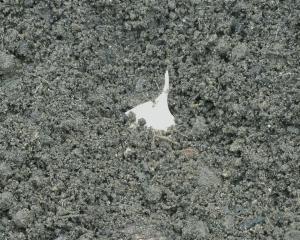
Keeping the soil hoed at this time of year not only keeps down weed seedlings but also gives vegetables an effective mulch of broken soil that prevents loss of moisture lower down in the ground.
In most of the southern part of the South Island, sowing seeds this late for late autumn and winter vegetables is a chancy matter, although experience of individual plots is the best guide. Keeping a garden diary with sowing and maturity dates is well worth the effort. An alternative to a diary is a sturdy exercise book divided into sections for plants, so carrots, for example, are all together, with varieties and sowing/ maturity dates listed year by year with any relevant notes.
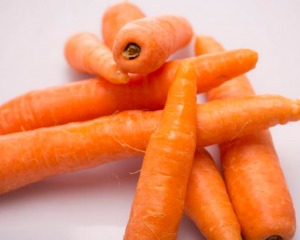
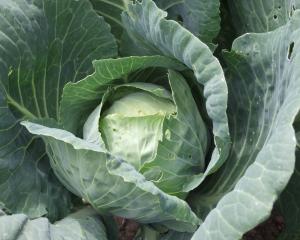
Small carrot varieties are best for late-season sowings. Chinese cabbages, kohl rabi, spinach, parsley and turnips can be sown.
Plant out broccoli, late celery and leeks. Modern celery does not need to be ridged up to blanch but ridging leeks does give longer stems. Lift onions, garlic and shallots when the tops turn yellow. Harvest on a dry day, gently shaking off as much loose soil as possible. Store in a dry place. Garlic can be stored by tying the tops together and hanging under cover.
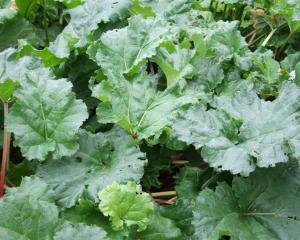
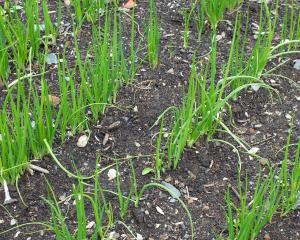
Ground for next season's crop of onions should be prepared now with plenty of stable manure or compost and some lime. Autumn sowing of onions gives best results in southern districts. Never let rhubarb seed, as it saps the strength of the roots and inhibits the storing of nutrients for next season's growth.
Flowers
Now is the time to lift spring-flowering bulbs and corms. Soon after the leaves die down, bulbs begin to grow new roots, so transplanting should be carried out before the roots get under way. This is the best time to take hydrangea cuttings. Look for firm shoots that have not flowered this season. Cut pieces about 10cm long, cut off lower leaves, dip in rooting hormone powder and push cuttings around the edge of a pot of damp potting mix to which a handful or two of gravel has been added.
Cover with a plastic bag to hold in moisture and leave in a cool place until well rooted. Dahlias should be at their peak now and a combination of watering well and keeping them deadheaded will keep new buds coming so they will flower for at least another two months.
Fruit
Outdoor tomatoes should be growing well. Once tiny tomatoes form, a weekly application of liquid manure diluted to pale tea colour can be given as well as the usual watering. As blackcurrants (Ribes nigrum) are picked, the bushes can be pruned. Remove old branches that have borne fruit to let light in and air circulate. Next year's fruit grows on this season's growth, so do not be overenthusiastic about cutting back new growth.
In contrast, redcurrants (Ribes rubrum) and their albino form, the whitecurrant, fruit on old wood, so new growth should be pruned to half to two-thirds of its length. Cut out old wood after four or five years of producing fruit. Prunings can be used to propagate more currant bushes.
Take straight pieces 20cm to 30cm long and push well down around the edge of a pot of moist soil to which compost and sand has been added. Water well and cover the pot with an opaque plastic bag, tucking the ends underneath. Leave it in a cool spot for at least a month, by which time growth should have begun. At this point, the bag can be cut across the top to begin hardening off the cuttings. Keep the soil moist and transplant next spring.