Two animal welfare advocates are to visit Waikouaiti's Mainland Poultry tomorrow as the egg industry tries to allay concern bigger cages for battery hens are still cruel.
Green MP Sue Kedgley and Save Animals From Exploitation (Safe) campaigns director Hans Kriek will view separately a pilot of "enriched" cages which has been running for more than two years.
Submissions close on April 29 on a revised code of welfare for hens.
A draft released in February by the Government's National Animal Welfare Advisory Committee suggested adopting "enriched cages" which are supported by the egg industry as long as they are phased in.
She did not think the industry should be investing in another cage system when other countries were moving towards free-range or barn-raised eggs.
Australian supermarket giant Coles' decision to phase out cage-raised eggs illustrated how out of step New Zealand was becoming, she said.
Ms Kedgley said "for some reason" Mainland insisted she visit separately to Mr Kriek and she criticised its refusal to allow the Otago Daily Times to attend the visits.
Blocking the media effectively denied "ordinary New Zealanders" the right to decide for themselves if the new system was an improvement.
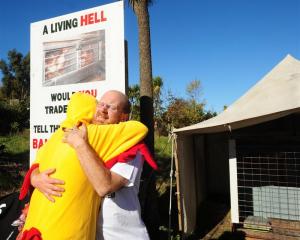
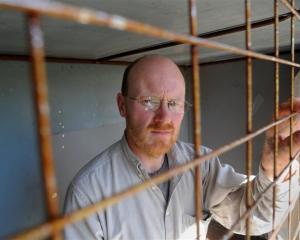
Ms Kedgley would also visit Carl Scott, who is spending a month in a cage in Waikouaiti on the side of State Highway 1 to draw attention to the plight of battery hens.
Mr Kriek said he had been keen to see the enriched cage pilot at Mainland for some time.
He had been advised he could not take photos and was disappointed media access was denied.
"If they think [the new system is] the best thing since sliced bread and want to promote it and sell it to the New Zealand public as the way forward, then I would want media to have a look." He did not support enriched cages but was keen to hear the industry's views.
While the cages were slightly bigger, space was taken by improvements such as perches.
Counting space used for these changes, the area per hen was still only 750sq cm, he said.
Mainland Poultry managing director Michael Guthrie said inviting the media was problematic because of the number of organisations requiring access.
The lobbyists' visits were "part of the process" of looking at the welfare code rather than being a publicity opportunity.
He said the plant was happy to provide information and material to anyone who was interested and added there might be opportunities for media visits in the future.