Since the inlet became blocked in the middle of the year, it has been possible to walk across the mouth of the inlet at the far end of Allan's beach.
The beach is a popular spot for walking dogs.
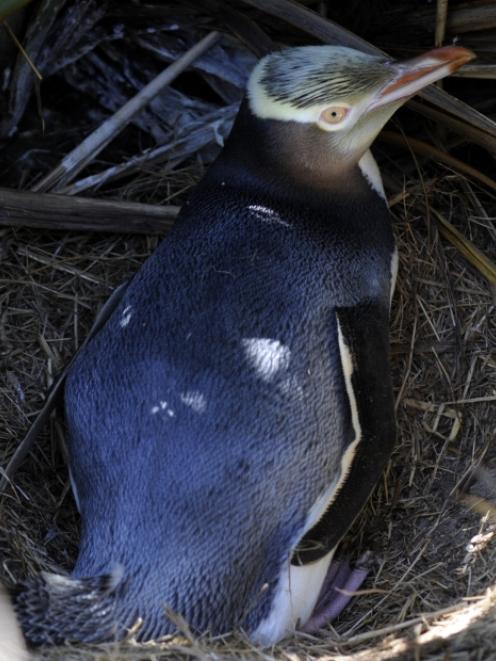
Department of Conservation (Doc) marine ranger Jim Fyfe said the bush above the far end of Allan's beach contained a yellow-eyed penguin breeding site with up to 10 nests. The site is one of several penguin colonies on Otago Peninsula.
Doc was worried about the threat dogs posed to penguins and, since the blockage, had set up signs warning dog walkers to keep their pets away from the colony end of the beach, Mr Fyfe said.
Mr Fyfe was not aware of any penguins being attacked since the blockage occurred.
"We depend on the co-operation of dog owners," he said.
"There are not many dog-walking beaches on the peninsula, so there is a lot of incentive for dog owners to play along."
Yellow-eyed penguins were very shy and if they saw anything that made them suspicious they would not come ashore, Mr Fyfe said.
He advised the public to stay away from the colony and recommended that anyone who saw a penguin on the beach keep at least 100m away from it and not do anything to disturb it.
"It's [the Allan's beach colony] not going to be a prime spot for viewing penguins," he said.
The blockage of the inlet mouth was a natural process and did not create any problems Doc could not work around, Mr Fyfe said.
While the colony is on a Doc reserve, the blockage is within the foreshore and seabed area, which is under the jurisdiction of the Otago Regional Council.
- by Jonathan Chilton-Towle