The Alcohol Reform Bill, passed in Parliament on Tuesday night, included a requirement for councils to form new district licensing committees, which will handle all applications for liquor licences, renewals and manager's certificates. Councils would also have to form new alcohol policies - with public consultation - setting criteria used to control licences, possibly including new restrictions on opening hours and bottle store locations.
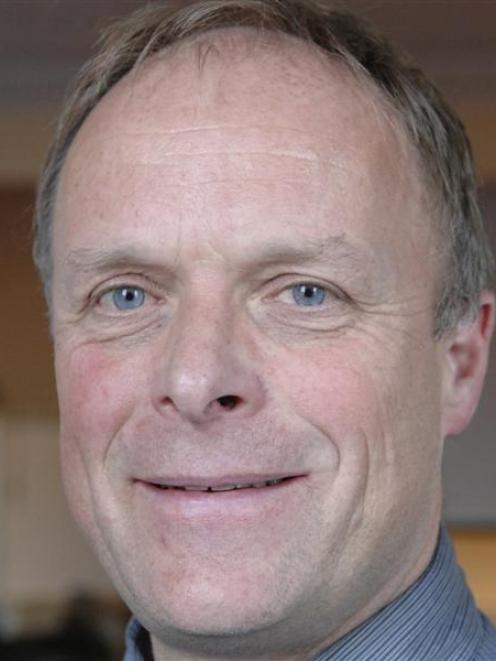
Dunedin City Council liquor licensing and projects officer Kevin Mechen said yesterday the cost of the extra requirements would be passed on to the industry through a ''substantial'' increase in fees.
The fees would be set by the Ministry of Justice and details were expected to be revealed by the middle of next year, he said.
However, the council would still experience a significant increase in workload as a result of the changes, he said.
Under the reforms, the District Licensing Agency would be replaced with district licensing committees, chaired by an elected member of the council and with two community representatives.
Mr Mechen said the council had, in the last financial year, received 1373 applications from within Dunedin for various licensing matters.
However, most were able to be dealt with directly by Mr Mechen, under his delegated authority, meaning they did not need to be referred to the DLA for a hearing.
Those that were contested or contentious were also referred directly to Wellington for consideration, he said.
Under the new system, all applications would have to be referred to the council's new committee, resulting in an increased workload, he said.
The changes were expected to be in place by this time next year, he said.
''In 12 months' time, there will be quite a bit of work for council, and because it will mean going past the committee for all those applications ... there will be more work involved.''
The appointment of the new committee might also be complicated by the timing of the changes, he predicted.
That was because the next local body election was due in October next year, just before the changes had to be in place, he said.
That meant councillors trained to perform new duties associated with the committee's work - of which there was likely to be two, in case of absences - ran the risk of being voted out of office just before starting work on the committee, he said.
The changes were also being introduced just before Christmas next year, ''when everyone wants their licences in place'', he said.
''The next 12 months is going to be interesting.''
However, the council was not alone in worrying about the changes.
In September, Hospitality Association of New Zealand (HANZ) Otago branch president Mark Scully told the Otago Daily Times the expected fee increases and other changes could be the final nail in the coffin for some ''battling'' Dunedin bar owners.
Justice Minister Judith Collins said this week the reforms struck a ''sensible balance'', reducing harm without penalising those who drank responsibly.
Opposition MPs criticised the changes as a missed opportunity that did not address issues of price, availability or promotion of alcohol.
Mr Mechen said a report providing more detail on the implications of the changes in Dunedin was being prepared and would be presented to councillors in February. - Additional reporting The New Zealand Herald.