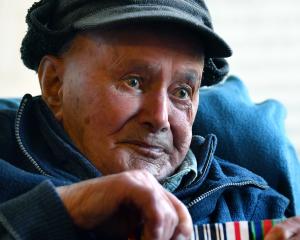
Ms Murphy (52) is one of three New Zealanders - two of them in Dunedin - receiving Soliris from drug company Alexion on compassionate grounds.
''As far as I'm concerned it is a miracle drug. I can live a normal life,'' she said.
''I know it saved my life. And I know if they took it away from me, I would have another blood clot, and I would die.''
Soliris treats a rare blood disorder called paroxysmal nocturnal haemoglobinuria (PNH), and works by reducing excessive destruction of red blood cells by inhibiting a group of proteins.
Alexion made an application to drug-buying agency Pharmac, which is expected to make a decision this year. Its primary clinical advisory committee recommended turning down the application, after considering cost and clinical benefit.
Ms Murphy said she was hugely grateful to Alexion, and felt she had a duty on behalf of other sufferers to make the appeal.
Since taking Soliris, she had had no blood clots, chest spasms, or severe stomach pains, all of which she suffered before the treatment.
Diagnosis of PNH in 2009, difficult because of rarity and erratic symptoms, was a huge relief after years of debilitating symptoms. She received the compassionate supply of Soliris in February 2011 after a stroke and brain haemorrhage left her at ''death's doorstep''.
Ms Murphy receives the drug intravenously at Dunedin Hospital every fortnight. She takes daily antibiotics to counter its side effect of causing susceptibility to infections, particularly meningococcal disease.
A patient group which receives funding from the drug company is appealing to Pharmac today, through media appearances, to grant the application.
PNH Support Association said Soliris was funded in more than 40 countries. One in three sufferers was estimated to die within five years of diagnosis.
About eight people have been diagnosed with PNH in New Zealand.
Blood clots and kidney failure are two significant causes of death caused by PNH.
Ms Murphy's partner, Gavin Hogg, said he hoped Pharmac took into account the considerable burden placed on the health system from those living with PNH without Soliris.
Unlike his partner, some ''poor buggers'' with PNH endured life without the drug, he said.