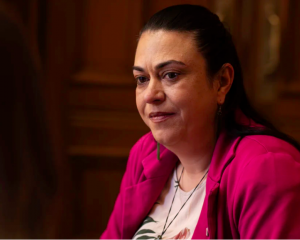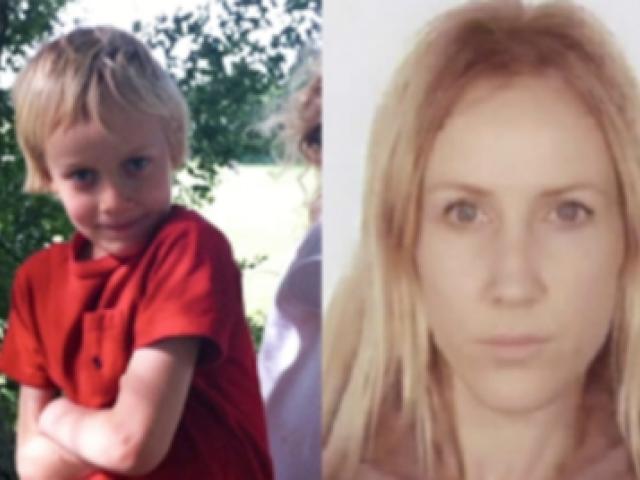
A New Zealand mother who has rejected life-saving treatment for her cancer-stricken son has admitted that among the reasons for her bitter legal battle is a fear that she might never become a grandmother.
Sally Roberts says she is worried that radiotherapy would damage her 7-year old son Neon's DNA, reduce his IQ and leave him infertile. Last week, the 37-year-old lost a controversial High Court battle in Britain against Neon's father and doctors who want the boy to receive radiotherapy treatment for a malignant brain tumour.
Yesterday (January 3), she gave a defiant interview on ITV's Daybreak programme in the UK to say she is going to appeal against the judge's decision for Neon to receive immediate treatment.
"We all want what is best for Neon. I would not even consider an appeal if I did not think it was the best thing," said the mother of two.
When asked why she opposed radiotherapy, Ms Roberts replied: "Just damaging the DNA, altering it and him never recovering from that. Affecting his growth, leaving him infertile. No grandchildren is a big factor.
"There are so many other treatments that he could be having. I feel there are other options out there that we have not explored."
Ms Roberts prompted a UK-wide search last month after disappearing with Neon, who has already had two operations - the second time after a court order.
The pair were found five days later.
Yesterday she also used the air-time to take a swipe at her critics, including her estranged husband Ben.
"It should be my choice as I am the one who has to look after him. I have always been his main carer, so why Ben has stepped up now is beyond me," she said.
Doctors say that the boy's chances of survival have been reduced because of delays to his treatment caused by legal challenges, which Ms Roberts, originally from Auckland but who now lives in Devon, has rejected.
One viewer, whose grandson had received radiotherapy, contacted Daybreak to accuse Ms Roberts of playing "Russian roulette" with her son's life.
"That is based on what [the viewer] knows," she replied.
"If she is just provided with the information on the surface then I'm sure that is what she thinks. But when you do a lot of digging. you have new facts ... [radiotherapy] is popular in the UK but in other countries they are giving other treatments that are working."
She claimed that alternative therapies should be considered.
The boy's radiotherapy is due to begin next week.