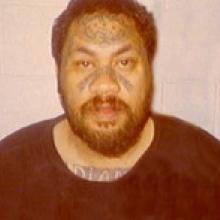
But the Department of Corrections says it won't pay - and may not even approve a prisoner having the procedure while still incarcerated.
Joe Coleman was convicted of murdering George Matehaere, who preferred to be known as a woman named Georgie, at the Otahuhu state housing block in 2002.
He bashed the sex worker with a baseball bat, and she died in hospital six days later.
Coleman, now 49, was a Black Power president at the time and has gang-related facial tattoos.
At his first Parole Board hearing on January 29, a psychologist recommended "that consideration might be given to laser treatment for the removal of tattoos as part of Mr Coleman's desire to dissociate from his former peers and antisocial past".
The board agreed with the recommendation, but declined parole for Coleman, saying he was still considered "high risk".
At last month's hearing Coleman said he was "determined to leave it behind".
Board member Alan Ritchie said: "This is not without sacrifice for him ... He is not disowning members of [Black Power] but he knows that he has to create a distance if he is to succeed in breaking free." As part of that process Coleman hoped to get his gang tattoos removed.
The Department of Corrections said: "If a prisoner does wish to get tattoos removed they would need to discuss it with their case manager and it would be approved on a case-by-case basis.
"It would depend on what risk the prisoner is to the public, what escorts would be needed to accompany them [to appointments] and that would be decided by the prison manager."
Criminologist Greg Newbold thought prisoners should pay for their own tattoo removal. "However in some cases, where a prisoner has made exceptional progress, where his prospects ... would be significantly enhanced by tattoo removal, I think it's fitting that the state should consider subsidising the tattoo removal."
Howard League for Penal Reform spokesman Jarrod Gilbert said: "Anyone that's wanting to reform from a criminal lifestyle is someone that should be encouraged.
"A tattoo denoting a particular gang makes integration into mainstream life nearly impossible."
If a prisoner was released free of gang or offensive tattoos they were more likely to get a job. If not, the taxpayers were "condemned" to paying their unemployment benefit or funding their next stint in jail when they went on to reoffend.
- Anna Leask of the New Zealand Herald