Ever wondered what happens to sewage after you flush it away?
For most people, it is a case of out of sight, out of mind, but the process to "desludge" sewage-treatment ponds in Queenstown has been ongoing since March at a cost of more than $1 million.
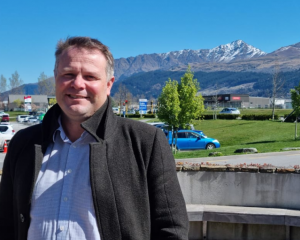
The task is nearing completion and Queenstown Lakes District Council strategic project manager Martin O'Malley said the three ponds should not need to be desludged for another 10-15 years.
Mr O'Malley said the purpose of the Shotover oxidation ponds was to treat the waste through a "purely natural process" by encouraging three layers: aerobic, anoxic and anaerobic.
Since they were built in 1973, the ponds have accumulated up to 30% of sludge, which was reducing their volume, and liquid waste was spending less time in the treatment ponds before filtering into the maturation pond.
After passing through the maturation pond, liquid waste is discharged into the Shotover River, which is a legal and consented process.
The council contracted Conhur to desludge the ponds at a cost of $1.1 million, and this began in March.
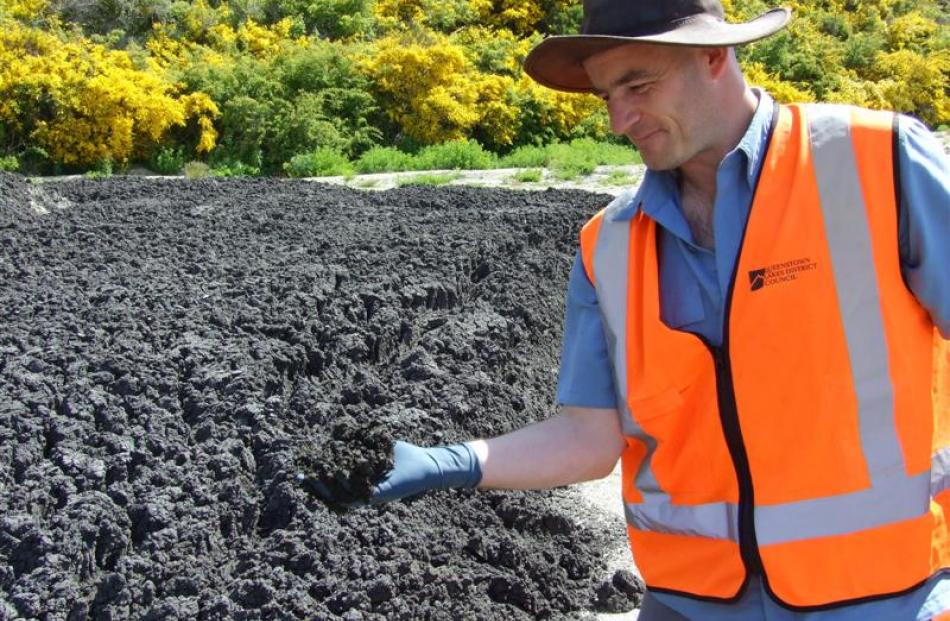
Sludge taken from the ponds is sun-dried, to reduce the moisture, on adjoining land near the airport runway. At this point, it has very little odour and carries essentially the same risk of disease as regular compost.
The dried waste is then deposited in landfill at a cost of between $76 and $159 a tonne, less moisture equating to less weight.
While primarily human waste comes out of the pipes into the pond, occasionally there have been tennis balls, tea towels and even a hamster, Mr O'Malley said.
He said the liquid discharged into the Shotover River should be green in colour, which might concern some people. However, the colour showed there were algae present, evidence of the natural treatment process.
More than 8500 tonnes of wet sludge has been taken from the ponds and between 2300 and 2800 tonnes of dried sludge will be going into landfill.
"At the moment, there's not an accepted use other than putting it into landfill," Mr O'Malley said.
Although the dried waste was only as toxic as general compost, Mr O'Malley said people were reluctant to use it because of where it came from.
The Lake Hawea oxidation pond is next in line for desludging, with contractors scheduled to start on the $150,000 task in the new year.