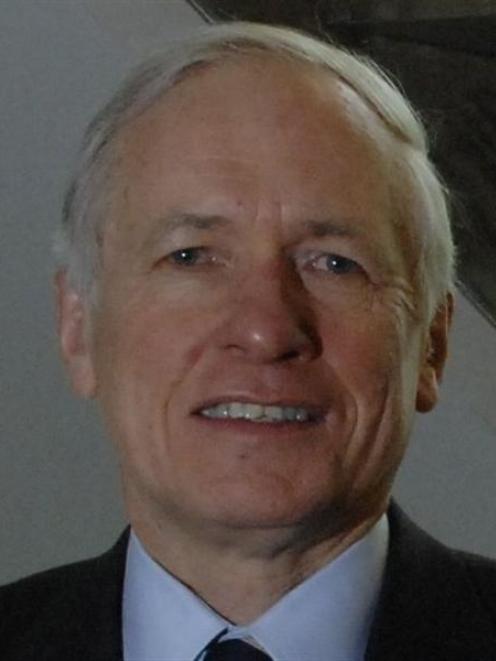
In a book published this month, Prof Skegg, Prof Charlotte Paul and Prof Barbara Brookes are scathing of a 2009 book by Prof Linda Bryder criticising the findings of the 1988 Cartwright Inquiry into cervical cancer treatment at the National Women's Hospital in Auckland.
Prof Skegg was an expert witness at the inquiry, Prof Paul one of three medical advisers to the inquiry and Prof Brookes is head of the department of history and art history at Otago University.
In a foreword to The Cartwright Papers, Prof Skegg describes Prof Bryder's book on the subject - A History of the 'Unfortunate Experiment' atNational Women's Hospital

"The author seems to have adopted a particular position and then done everything she can to marshall evidence in support of it."
Prof Skegg wrote that Prof Bryder's book was not a worthy contribution to the debate about the study undertaken by National Women's Hospital's Assoc Prof Herb Green.
Prof Skegg first used the phrase "the unfortunate experiment" in a letter in 1984 to describe Prof Green's study in which conventional treatment was withheld for women who had carcinoma in situ of the cervix. Prof Green's belief was that CIS did not proceed to cervical cancer.
Prof Skegg's phrase was picked up in the headline of the 1987 Metro article by Sandra Coney and Phillida Bunkle which led to the commission of inquiry into the treatment.
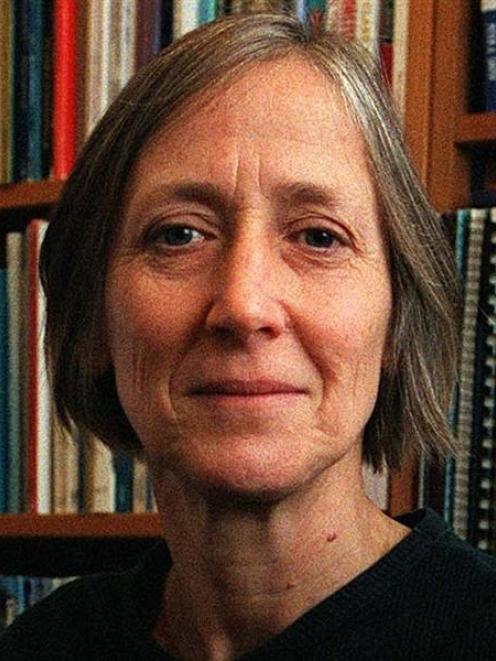
She said Dr Green had not acted unethically or conducted any experiment and that Judge Silvia Cartwright, who drew the opposite conclusion, had got it wrong.
Judge Cartwright found the study had caused undue suffering to dozens of patients, some of whom had later died of cancer.
The Cartwright Papers, published this month, includes two chapters from Prof Paul.
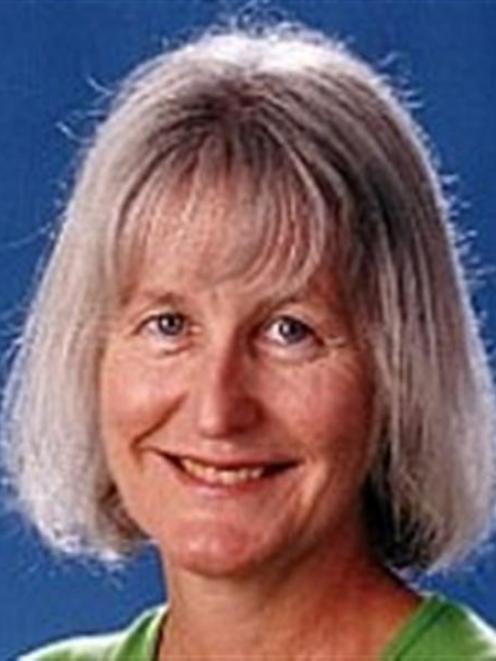
Prof Brookes suggests Prof Bryder was on a mission to rescue Prof Green's reputation and "following the imperative of her rescue mission, Bryder has been diverted from the professional requirement to evaluate all evidence rigorously and carefully, and to strive for the impossible ideal of objectivity".