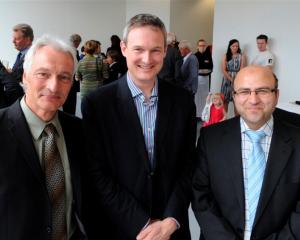
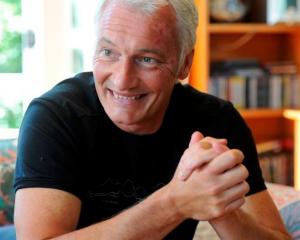
The disagreement with Christchurch over neurosurgery was a "blessing in disguise" as it led to restoring lapsed ties with the University of Otago, the former head of Dunedin Hospital neurosurgery, Sam Bishara, says.
Mr Bishara said the threat of losing neurosurgery in Dunedin led to a high-level and thorough review, resulting in this week's positive outcome for the South.
Acting Director-general of Health Andrew Bridgman had shown common sense in recommending three neurosurgeons be based in Dunedin, two with academic positions at the university.
Mr Bishara, a former associate professor at Otago University, commended the university for the part it played in the decision.
Dunedin Hospital neurosurgery had never had three neurosurgeons in the service's 67-year history.
He said the panel rightly rejected the argument that centralising neurosurgeons in Christchurch was beneficial for patients, because of opportunities for sub-specialisation, as it would have cost lives through extra travel time in emergencies.
The two centres already had sub-specialties: Dunedin Hospital was the national base of an oncology procedure, radiosurgery, and Christchurch had expertise in neurosurgical coiling.
Of any fallout with Christchurch and damage to clinical and management relationships, the "wounds" would heal with time, he said.
He did not want to comment on criticism in the expert neurosurgery panel's report of the Southern District Health Board (formerly Otago DHB) for lacking "commitment" to the service in the past.
"It is clear that Prof Bishara's dedication in many ways protected the organisation from making the decisions required to build the service for the future.
"Clearly, while there is exceptional organisational commitment to the service now, the commitment has not always been evident," the report says.
Mr Bishara acknowledged it had been difficult being the only resident neurosurgeon - supported by registrars - for some extended periods before his retirement as head of the unit in 1995. Such an arrangement would be unacceptable now, he said.
Mr Bishara was overseas in July and August, missing the public march and public meetings in which thousands of Otago and Southland people took part.
He was touched to see how many people marched and signed the petition.
The South had a tradition of fighting to keep local services and even fundraising for medical equipment, he said.