The Otago Rugby Football Union has recorded an operating loss of more than $750,000 for the past year, with its chief executive blaming the recession and saying players had under-performed.
The union lost income from sponsorship, membership and gaming machines to post an operating loss of $764,531 for the 2009 year to November 30.
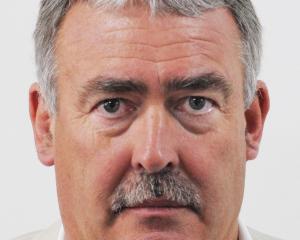
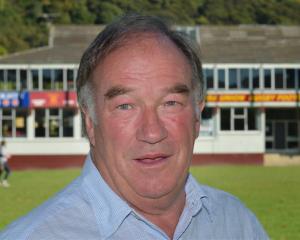
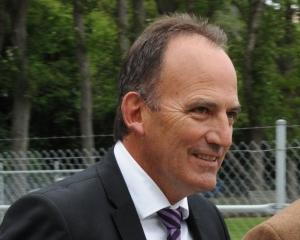
It continues a run of financial losses and chairman Ron Palenski and chief executive Richard Reid said the result was "obviously very disappointing".
They had budgeted to break even.
The total loss was $5.9 million, but that included a more than $4.5 million loss on the one-off sale of Carisbrook and the write-off of almost $650,000 in development work.
"We are like any sporting organisation in the middle of a recession. It is very hard work out there. We are reliant on a lot of different streams of funding and a lot of those are down," Mr Reid said.
He pointed to a High Court ruling which adversely affected sporting groups' ability to obtain gaming-machine income.
"We are in the sort of game where expenses are mainly fixed but income can be very variable."
If the team was successful, it was easier to sell memberships, sponsorship and commercial deals.
All were down.
The Otago team finished too far down the table, he said.
Otago finished 10th in the Air New Zealand Cup.
Otago paid $1.3 million to players last year, down $30,000 from the year before.
"It is all too easy to blame the coaches but they do not play the game. We had a reasonable squad and if you asked yourself, was it better than 10th? You'd have to say yes.
"The playing results of Otago on the field do have an impact on the financial side of things. There is no doubt about that."
Mr Reid said it was not necessarily about the players being accountable but playing to their potential and he felt they should be able to do that.
It was time for the Highlanders players to deliver, and "vitally important" playing results improved this season.
Gate receipts only accounted for about 2% of overall turnover, but Mr Reid said a successful team translated into increased sponsorship and commercial activities.
The union cut jobs last year. Mr Reid said it was a painful exercise nobody enjoyed.
Highlights for the year were hosting the test between the All Blacks and France, the new Highlanders region secondary school competition, club rugby and the selection of three players as All Blacks.
The financial statements showed an unsecured overdraft facility of $200,000 had been arranged, for repayment this April, but additional revenue needed to be generated or costs cut to meet working capital cashflow needs.
Mr Palenski said the result showed how difficult it was to administer a sports team, especially in a city the size of Dunedin.
Winning was not the whole answer but was a step in the right direction, he said.
The Otago team's performance last year was not good enough.
Mr Palenski, who has been on the board since 2002, is up for reappointment at the union's annual meeting on February 22, and said he was undecided whether he would seek to continue.
ORFU financial results
For past five years up to November 30
2005: $52,000 profit
2006: $1.14m loss
2007: $1.5m loss
2008: $467,000 loss
2009: $764,000 loss