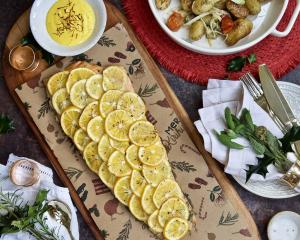
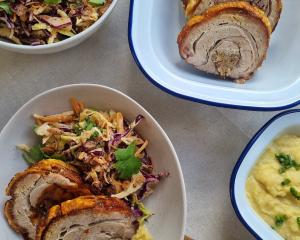
• Wanaka: Earth to Heaven at Whare Kea (Godwit), celebrates Wanaka, its activities and guides, and specifically the luxury lodge Whare Kea and its chalet high in the Buchanan mountains. The lodge (dinner, bed and breakfast for two starts at $1400 + GST) is owned by Martyn and Louise Myer of the Australian Myer retail dynasty, and is one of the exclusive relais et c
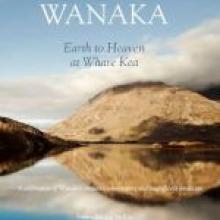
He grows many of the vegetables and herbs he uses and other local, seasonal produce. Recipes range from chocolate brownies with chestnuts, pistachios, walnuts, pecans and almonds, or butternut squash and orzo salad with pesto, to Bendigo rabbit pie, crayfish with fennel and apple remoulade and salt cod croquettes, and salmon confit with horseradish, baby peas and vanilla oil. With stunning photographs by Kieran Scott, this is definitely a book to grace exclusive coffee tables.

Von Baich, niece of the eponymous Hertha, and her daughter have revised the handwritten recipes for modern cooks and kitchens and the photographs, old and new, capture some of the charm of old and modern Vienna, its lanes, cafes and baroque buildings in this beautiful book. The recipes are obviously from a more leisurely age when cholesterol and fat didn't worry anyone - although there are some surprisingly healthy recipes too.
Dumplings of all kinds feature prominently as well as soups, goulash, roasts, salads, and an interesting range of main dishes in which meat is not the main feature, such as a vegetable souffle, baked noodles with salmon, or spinach roulade.
Several chapters are filled with luscious biscuits, gingerbreads, spiced and chocolate biscuits and desserts, strudels, fruit tarts and dumplings, pancakes, yeasted cakes such as gugelhupf, and of course classic tortes like Sachertorte and Linzertorte.
Many recipes have people's names attached, which adds to the sense that this is a collection of family recipes, however exotic. A fascinating book for curious cooks.

There are many inspirational books on capturing your own starters and making sourdough breads, but one of the most varied published recently is Australian Yoke Mardewi's Sourdough: From pastries to gluten-free wholegrain breads (New Holland).
Apart from instructions for various kinds of starter, including a couple of gluten-free ones, she gives a variety of recipes, some using ancient grains such as rye, barley, spelt and kamut, gluten-free breads with rice, buckwheat and other flours, high-protein, high fibre and low GI breads some using sweet lupin flour, soft breads and brioche, crumpets, crepes, steamed buns, croissants, pastries and even cakes!
Doughs, particularly sourdoughs are fickle beasts and her particular methods of short dough development time allied with longer loaf raising time may not work well for all starters and in all climates. As always, patience is the key to good bread making, particularly with sourdough starters.