
PHOTO
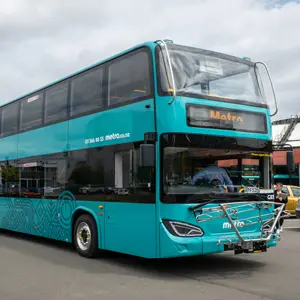
The lightest fully electric double-decker bus to hit the road in New Zealand officially joined the Metro fleet in Christchurch on Monday.
The bus will start on the Route 7 Halswell-Queenspark service and will be tested on several of Metro’s busier routes.
It is the first electric double-decker to join the Metro fleet and the second double-decker. The new bus brings Metro’s total number of electric vehicles to 71, closer to its goal of operating a fully electric fleet by 2035.
Developed by global automotive innovator Geely and bus operator Kinetic, the bus is the first electric double-decker not to require a weight permit.
Environment Canterbury chair Deon Swiggs said in an urban environment, not needing a weight permit means less wear and tear on the road surface.
"A number of councils are worried about heavy vehicles on inner city streets or urban streets. It's a very real concern.
"Now we're getting the technology to make sure that we don't go into heavy vehicles on streets where people are living, but we can also now have double-decker buses, which increases the amount of people we can get into those public transport vehicles and still have them underweight."

Swiggs said not having to go through the permit process meant they were also able to get the bus on the road quicker.
The bus was built with aerospace-grade aluminium technology, similar to that used in the Airbus A380, giving it a stronger and lighter frame than traditional steel construction - reducing road wear, tyre and brake use, and energy consumption.
More than 30 engineers were involved in the project, collaborating across time zones.
"It took almost two years to perfect this bus - this is the fourth version Geely made. The intense development and testing of this vehicle demonstrates how cutting edge it is," said Swiggs.
Earlier prototypes did not meet New Zealand's road weight requirements to operate without a permit.
The bus can carry up to 95 customers, including 14 standing downstairs and has a customer loading screen on the ground level to indicate how many seats remain upstairs.
Cameras located on the upper level also allow the driver to see who was deboarding, so they could wait the appropriate amount of time for customers to hop off once the bus had come to a stop.
-Allied Media and RNZ