
PHOTO
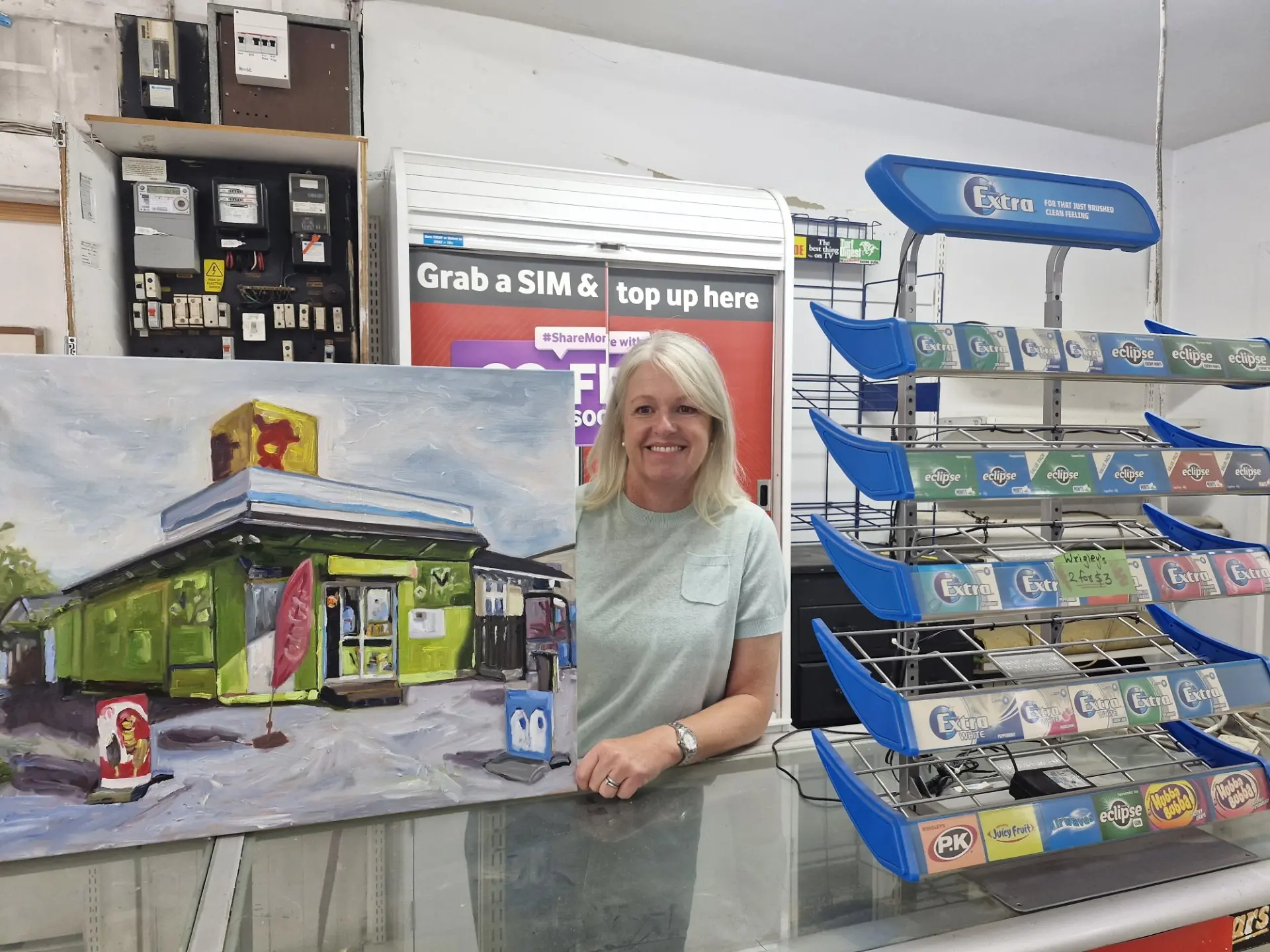
Go overseas and ask someone where the dairy is and you’ll likely be met with a blank stare.
But Harriet Millar – originally from Wirrall, near Liverpool – has come to appreciate the role dairies play in everyday Kiwi life over the past 20 years.
“Together, these paintings tell a quiet, recognisable New Zealand story. Not of spectacle, but of everyday belonging,” she said.
In search of a fitting venue for her work, she has leased the abandoned Cranford St Dairy, which closed in 2021 after business slowed and carparks were removed.
“I just thought what an interesting idea it would be to show off the dairy paintings in an actual dairy.”
The exhibition opens on Friday, March 27, from 5-7pm at the former shop on the corner of Cranford and Westminster Sts.
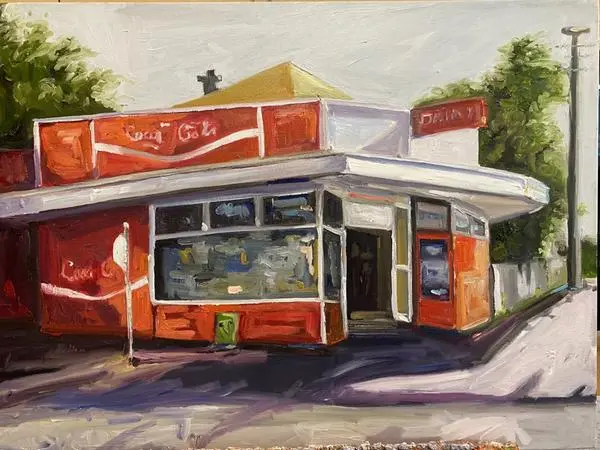
"I’ve already had lots of interest on social media so I hope I can fit everyone.”
It will then run every day from 10am-2pm until April 2.
“The building still has an old counter and shelving and even some art deco style windows, so I think it’s a great setting.”
The 53-year-old hopes to transform the dairy into her new art studio after the exhibition.
So far she has painted 10 dairies and plans to paint at least seven more before the exhibition.
Preparing the long-vacant dairy space has been hard work since she received the keys last week, especially while also raising her five children.
“We’re taking the graffiti off and we’ve removed all the plastic sheets on everything. Then there’s painting and giving the place a big, deep clean.”
Friends and family will help her get the space ready over the next few weeks.
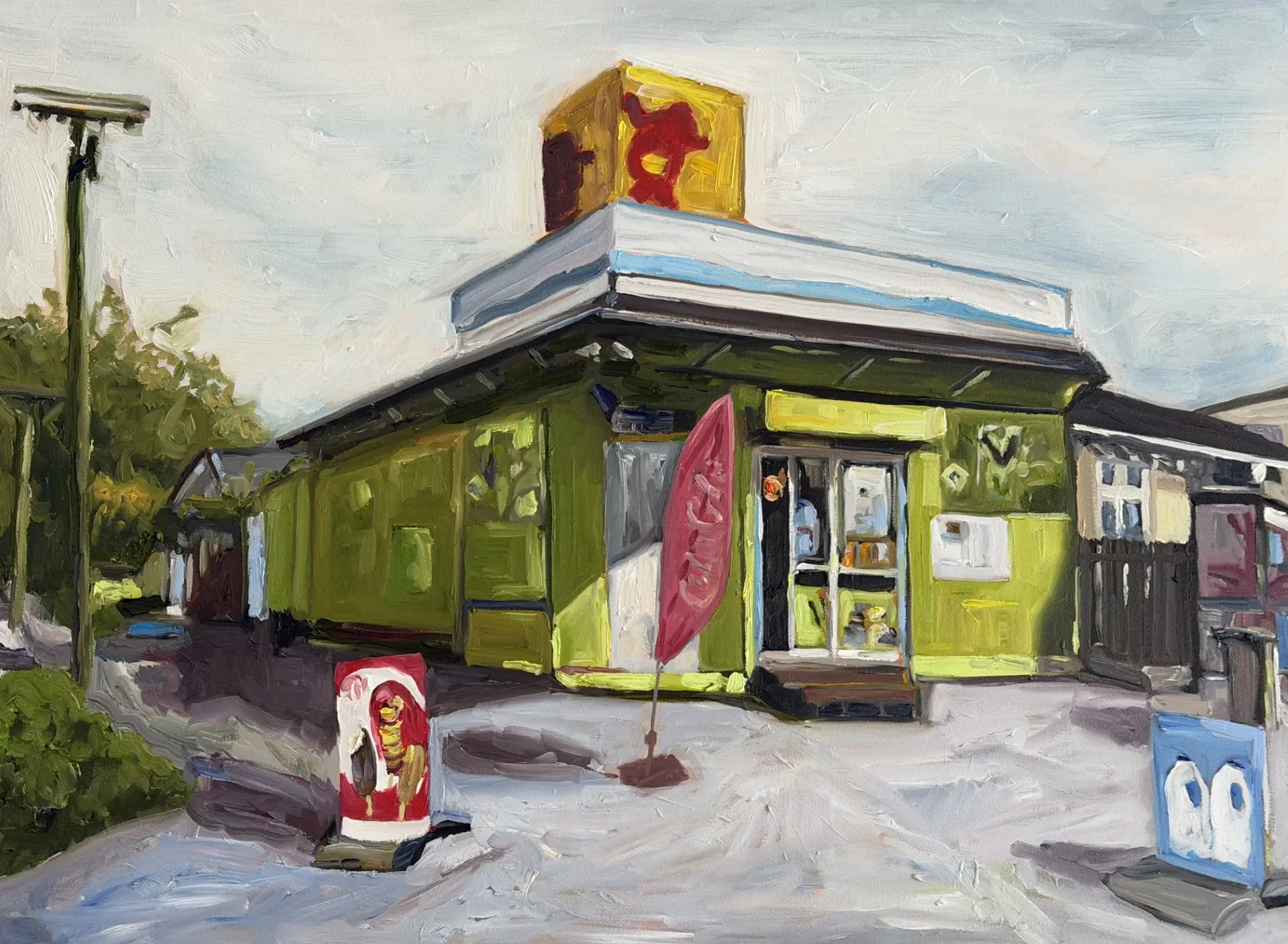
The dairies she has painted include the Springfield Discounter in St Albans, Opawa Dairy, Sue’s Takeaway and Convenience in Yaldhurst, the Bower Ave Dairy in North New Brighton, Lincoln Road Convenience in Hillmorton and Clyde Road Dairy in Bryndwr.
Millar photographed each dairy before painting them at home.
She said the series was inspired by the way almost everyone has a personal story tied to their neighbourhood dairy.
“That might be a $1 bag of lollies you bought as a kid or someone’s first pack of cigarettes. Then there’s the late-night runs for milk which save your day.”
Millar works in oil and acrylic, and typically paints natural landscapes, flora and fauna. Her pieces feature substantial layers of paint and bold brushstrokes, with hints of unexpected colour.
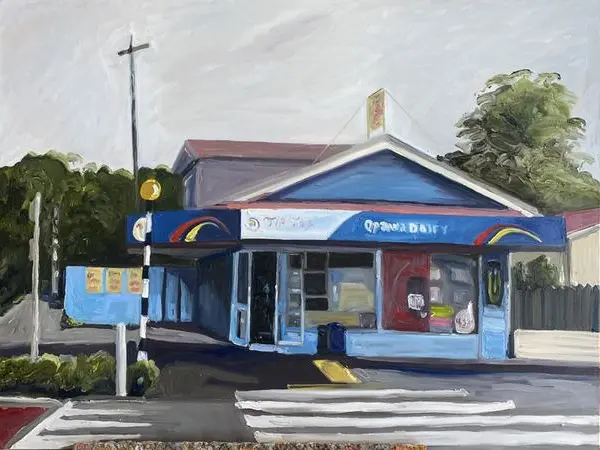
She selected the dairies based on how well they come out in painted form.
“The one near Abberley Park (Springfield Discounter) looks quite ugly on the surface, but it has these lovely geometric shapes to paint and the lighting worked well,” Millar said.
“When I showed the finished painting to the owner, he started crying which was quite touching.”
Millar finds the history of dairies and their place in New Zealand society fascinating.
The Ugandan owner of the abandoned Cranford St Dairy she now leases bought it in the early 1970s after Indians were forced out of the country under the Idi Amin regime.
He was the first Indian-Ugandan refugee in the South Island.
“Rather than relics of the past, dairies remain living sites of cultural exchange, where migration histories, labour, and neighbourhood routines intersect,” Millar said.
New Zealand dairies are a retail marvel considering the dominance of the supermarket duopoly, she said.
“Its survival is not accidental. Increasingly, it is sustained through family-based ownership and labour, most visibly within New Zealand’s Indian communities, whose involvement has reshaped the contemporary dairy landscape.”