
PHOTO
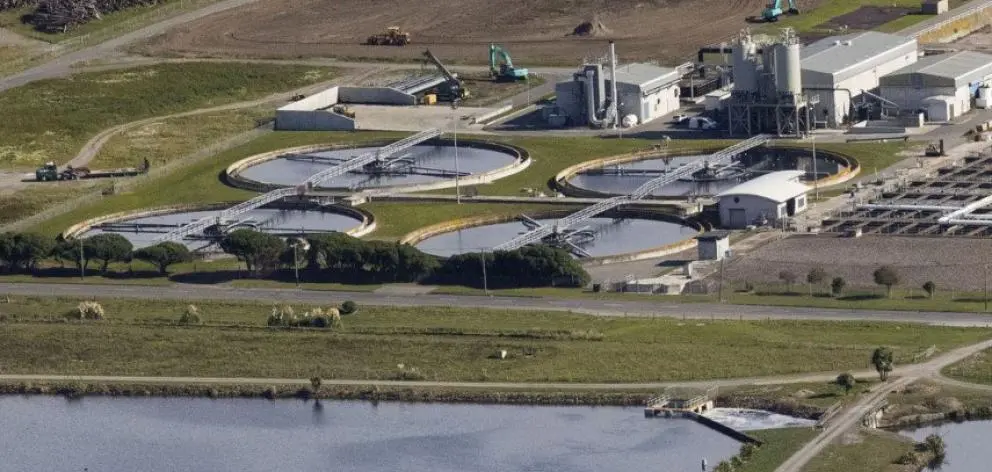
A community leader has urged Christchurch City Council to avoid any chance of sewage washing up on beaches.
His comments came after Christchurch Mayor Phil Mauger announced the council was considering pumping 30 percent of the city's sewage - partially treated - into the ocean to mitigate the putrid odour plaguing the city's eastern suburbs.
The city council was last week hit with an abatement notice after Environment Canterbury received more than 4500 complaints about the stench coming from the Bromley wastewater treatment plant in the past month.

Waitai Coastal-Burwood-Linwood Community Board chair Paul McMahon told councillors on Wednesday he supported investigating anything that would reduce the load on the damaged treatment plant, but he did not want to see other environments ruined as a result.
"It can't end with solids being washed up on the beach, nor in environmental damage, and it cannot create another problem downstream," McMahon said.
The eastern suburbs have been plagued by the foul odour since a huge fire damaged the plant in 2021. Other parts of the city have been hit as the smell became markedly worse and more widespread this year.
The council had said the spike in odour was due to high rainfall.
Residents pushed back on that claim, saying in the past the council had said heavy rain helped improve pond health and reduce the odour.
McMahon raised concerns about the stench becoming worse.
"We're also concerned that the rapid drop in temperatures we've seen recently with a lot of rain is going to lead to another spike, so I hope we're prepared for that eventuality," he said.
ECan has expressed surprise at the plan floated by Mauger to partially screen then pump around 30 per cent of the city's sewage out to sea.
A city council spokesperson and the mayor said the proposal has been discussed with ECan.
On Tuesday, community board deputy chairwoman Jackie Simons told RNZ she had only heard of the proposal the day prior.
"It's not good enough. I should have known that this was in the winds weeks ago," Simons said.
"It's uncomfortable for everyone and the fact that I don't get information ahead of time - it's frustrating."
Asked during Wednesday's meeting whether he expected to get a briefing on the mayor's proposal, McMahon said that should be a normal part of the process.
Councillor Yani Johanson asked council head of Three Waters Gavin Hutchinson when elected members could expect to get a briefing on the proposal the mayor had put forward.
Hutchinson said no date had been set.
He confirmed any outfall would be in place until the new activated sludge plant was up and running, which was expected to be in mid to late 2028.
Odour testing would be uploaded directly to the council website from next week, allowing the public to check new results and search for historical data, Hutchinson said.
The council had not purchased additional odour monitors for installation in the community but had obtained some for the ponds that would give more warning of increased odour, he said.
In a response to questions from RNZ regarding the definition of partially treated, the council said partial treatment meant sewage went through much of the treatment process - including screening and the temporary activated sludge process - but, instead of being sent to the ponds to reduce bacteria, the effluent would be chlorinated and mixed with treated effluent before being pumped into the ocean.
