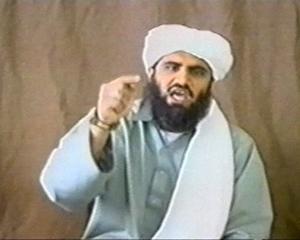
The world is no safer even though Osama bin Laden is dead - that is consensus of three University of Otago academics at a public forum yesterday.
Politics Prof Robert Patman, Centre for Peace and Conflict Studies director Prof Kevin Clements, Centre for Theology and Public Issues Prof Andrew Bradstock, and Information Science Department lecturer Dr Maryam Purvis discussed whether the death of bin Laden was "a turning point in building a safer world".
The forum was held at Allen Hall Theatre before about 150 people.
Iranian-born Dr Purvis said she had researched many of the world's leaders and their response to bin Laden's death.
Responses had been mixed, with some feeling relieved at his death, while others were scared of retaliatory attacks.
Prof Clements believed the world was not a safer place because there appeared to be terrorist cells still trying to prove they had the power to commit acts of terror.
"The cycle of violence continues."

He said there were similar scenes of people rejoicing when bin Laden was killed.
Just as 9/11 created revengeful feelings among Americans, he believed bin Laden sympathisers would also be feeling the same way.
He said defeating terror could not be achieved by playing the same game as terrorists.
Prof Clements, Prof Bradstock and Dr Purvis believed it would have been better to take bin Laden alive and put him on trial for his actions.
In the interests of de-escalating terrorist attacks, Prof Bradstock said the United States should have been seen to follow international law and give bin Laden a chance to explain his actions.
"It might have had a much more radical result, and gone further into the direction of creating peace."
Prof Patman said, like Barak Obama, he believed the killing of bin Laden was "just one step in the journey" towards creating a safer world.
Rather than killing bin Laden, he believed the turning point was the election of Obama who was managing to bring nations together to co-operate in abolishing terrorism - and attempting to restore the United States' moral authority.
All on the panel agreed the world was not yet safe from terrorism, but hope was not lost.
The key was not to fight violence with violence, Dr Purvis said.