Guthrie-Smith's views are now mainstream. We no longer subsidise farmers, large areas of high country land have been transferred to the conservation estate and we endlessly debate the impact of dairy farming on our waterways.
The bedding in of these new perspectives has spawned a whole new theme of academic research, environmental history, a field that southern scholars have dominated.
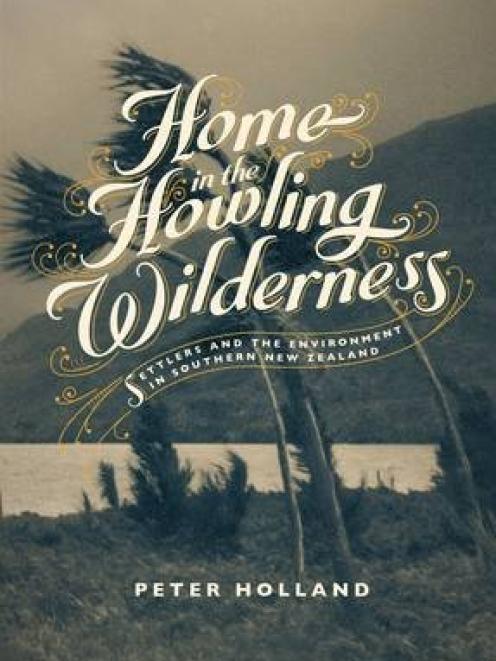
Peter Holland, Professor Emeritus of Geography at the University of Otago and a born-and-bred southerner, concentrates on South Canterbury and Otago in A Home in the Howling Wilderness: Settlers and the Environment in Southern New Zealand.
He makes two main points in his introduction. The first is that most settlers failed to understand that New Zealand is a mosaic of ecologically diverse areas. Each had to be thoroughly understood if people were to avoid creating environmental (and often economic) disasters.
His second overriding theme is that most settlers gradually grew more adept at detecting weather signals and at making more balanced decisions about the use of their land.
The first chapters set out the lay of the land. The second looks at Maori environmental knowledge, the author observing that while settlers sought Maori advice on river crossings or trails, few asked about the suitability of their plans for the land they occupied.
Then Holland picks up on his theme of knowledge acquisition, starting with wind, warmth and rain before moving to ice and snow. Early settlers had to learn to read the land while ignoring what they had been told before coming out here.
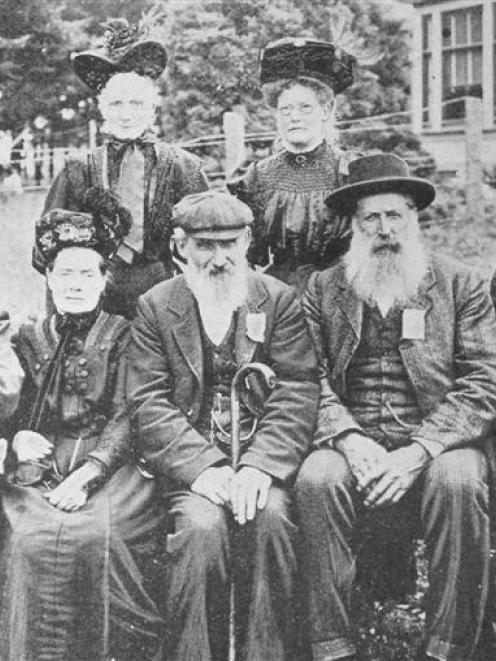
Any lingering beliefs that they were occupying a southern Tuscany were dispelled by the stormy 1860s, which destroyed many farms and flocks.
The process of knowledge gain was gradual, sometimes even hit and miss. Rabbits and small birds often devastated pastures or gardens and grain crops.
Even where introduced grasses and other plants thrived, the livestock feeding on them could compound the surface soil, opening pastures to invasion by weeds or to erosion. It took a while to learn that few New Zealand soils are as fertile as many people thought.
By analysing settlers' diaries, letters and station accounts books, Holland draws us into the lives of these people.
We see who recorded weather conditions and why and we learn that on some stations, rabbit control could be the biggest single outgoing, even after the skins had been sold. Scholarly, well researched, and jargon-free, Home in the Howling Wilderness should be read with interest by southerners.
Dr McLean is a Wellington historian and reviewer.