GST is sure to rise to 15% and no government wants to introduce a tax rise in an election year, effectively ruling out an April 1, 2011, introduction date.
Even with some significant improvements to the money New Zealanders receive in their back pocket, the Government will not want to risk a backlash to an increase in GST from 12.5% to 15% - even with the expected compensation packages for people on benefits, pensions and the minimum wage.
The Otago Daily Times understands some of those changes are being firmed up this month.
Most will be finished by early April so they can be announced in the Budget.
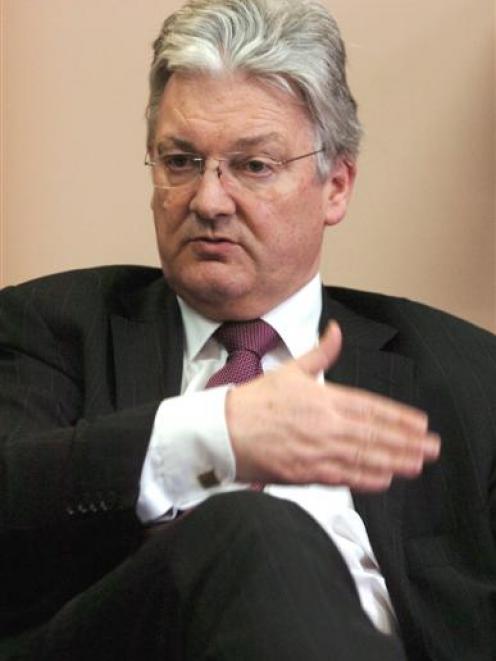
Revenue Minister Peter Dunne described the forthcoming tax package as "the big bang for the bucks" approach.
There was no point rearranging the deck chairs when there was a chance to lift New Zealand back into the leading tax systems of the world in one hit, he said in an interview.
It is expected depreciation rules around the ownership of commercial property will change, GST will rise to 15% and the top tax rate of 38% will be aligned with the trust rate of 33%.
Some commentators have predicted that the alignment of the top and trust tax rates will mean both move to 36%, but indications last week showed it was more likely the top rate would move immediately to 33% on October 1.
Mr Dunne said about 10,000 families were using trusts to minimise the tax they paid.
While the Government had indicated there would be no changes to Working for Families, the use of trusts was likely to be changed to reduce opportunities for tax avoidance.
"There is some anger that this is happening with people asking how come they are getting away with it.
No-one can justify letting that behaviour continue," he said.
Other income tax rates would be adjusted accordingly, particularly for middle-income people.
Those on low incomes would receive additional financial help to compensate for a higher GST rate.
A team of Government ministers and officials have worked out the major tax alterations needed but work was still being carried out on the compensation needed for the lower-end of the income spectrum, the Otago Daily Times understands.
Prime Minister John Key was last week handed a gift by his Australian counterpart Kevin Rudd.
For years, New Zealanders have been told that Australians pay much less tax than those in this country.
Treasury Secretary Ken Henry and his panel handed a wide-ranging review of the tax system to the Government late last year.
The concern was that the Henry Tax Review promised wide-ranging reform that would have left New Zealand even further divorced from its transtasman neighbour's tax regime.
However, Mr Rudd said there was still no timetable on when he would release the Henry review, adding that he had been too busy on the health and hospitals reform.
He said he had not worked his way through the independent tax proposal report.
Mr Rudd said the Government would not take on all recommendations made in the independent review of the tax system.
Contrast that to the New Zealand Government following the release of the Tax Working Group's report on January 20.
Substantial changes will be included in the Budget and implemented later this year.
Finance Minister Bill English and Mr Dunne were in Dunedin last week.
Both men were bound by the secrecy rules around the release of the Budget but Mr Dunne was prepared to discuss the rationale behind the proposed changes.
If there were to be changes, Mr Key had said they needed to demonstrate significant advantages to all New Zealanders in an effort to sell the message of change.
The changes needed to be made on the basis of being equitable and easy to operate, Mr Dunne said.
Part of the confidence and supply agreement United Future has with National, and it remains Mr Dunne's wish, was for the top tax rate, company tax and the trust rate to be aligned at 30%.
While recognising that was a step too far in this year's Budget, Mr Dunne indicated that further tax reform would be on the Government's agenda.
A big lesson had been learned from the tax working group.
Reforms in 1988 had taken New Zealand to the top of the world for progressive tax systems.
Then reform languished, until 2007, when some tinkering made New Zealanders slightly better off.
Mr Dunne said that while New Zealand would not get 30-30-30 this year, once this tax package was in place, it would keep on with the process.
"Reform will keep us in line with the rest of the world."