

Not that he is paranoid, he says, but this self-proclaimed expert on identity fraud does not take chances with personal information.
Ask his or his children's ages, for example, and his reply will be: "I don't actually give out that information."
Mr Sileo said by using a birth date, a place of birth and a formula on the internet, an identity thief could steal an American's social security number, which gave them "the keys to the kingdom" when it came to applying for credit cards and other financial services.
"With a social security number you can do just about anything you want.
"You can be somebody else."
In 1993, Mr Sileo spent a year at the University of Otago on a Rotary scholarship, comparing race relations in New Zealand with those in the United States.
He already had a degree in political science from Harvard.
But his life and career took an unusual turn when he returned to the United States, went into business and then had his identity stolen.
"My first case of identity theft was a woman . . . who got my social security number out of my trash and using just that purchased a home in my name - a $240,000 home in Cleveland, Ohio - and then went bankrupt and started taking me through bankruptcy proceedings."
Mr Sileo later spent two years, and $12,000 on legal fees, avoiding prosecution as a result of his business partner and "friend" using Mr Sileo's identity to embezzle money.
The friend eventually owned up and went to jail, but the computer business was "destroyed" in the process.
"There's nothing to destroy a business like having your name and business in the paper for having embezzled money.
"It destroyed that business despite the fact it wasn't the business's fault."
That experience led Mr Sileo to write a book: Stolen Lives: Identity Theft Prevention Made Simple, which has sold about 50,000 copies, and to a career on the "lucrative" United States speaking circuit.
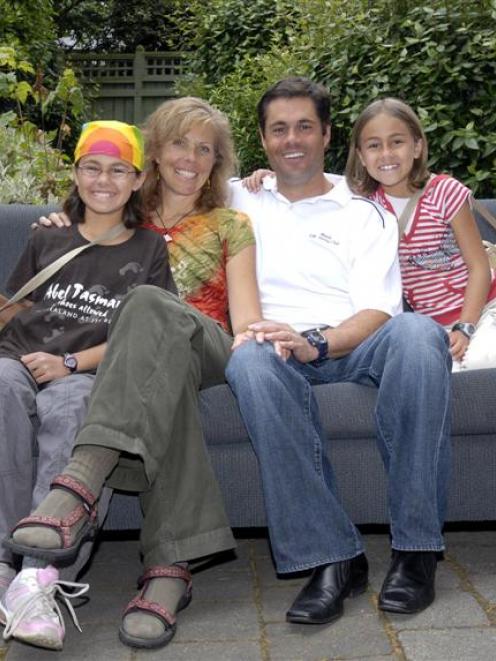
He has returned to Dunedin for a few months with his family while he writes a new book, on privacy.
Mr Sileo considered the greatest risks in New Zealand were over the misuse of business data, where "intellectual capital" such as customer records, trade secrets or competitive information was stolen.
Mr Sileo said a "cousin" of identity theft was "insider theft" and he had discussed with some Dunedin people the $16.9 million defrauding of the Otago District Health Board.
While not claiming detailed knowledge of the case, Mr Sileo believed there were usually warning signs of fraud being committed.
"From what I can tell, there were people around that didn't pay attention when they should have.
"They didn't see the red flags."
Often, such people would have been "socially engineered" by the persons carrying out the fraud.
"They [the fraud] can explain and put you at ease, but you don't understand their explanation, meaning they're more the salesman than they are somebody giving you the honest scoop."


