

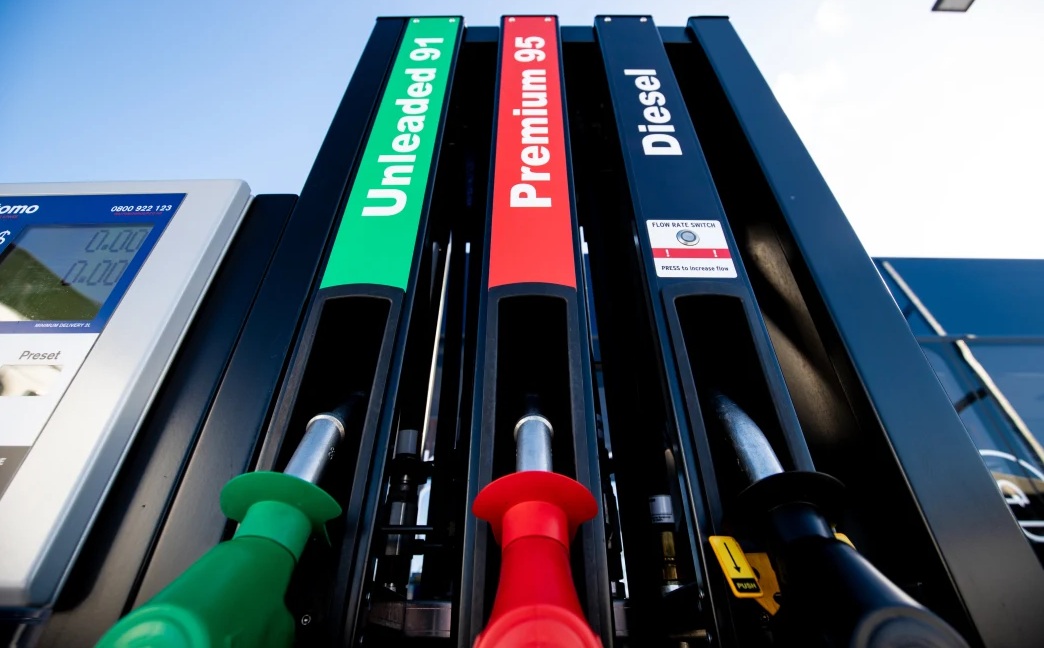
Regulatory feedback is being called for as the government looks to tackle global fuel uncertainty.
The government has laid out its response plan to the rising fuel costs triggered by the conflict in the Middle East.
The war began on February 28 this year after the United States and Israel launched airstrikes that killed Iran's supreme leader and other top officials. Iran's response, striking US and Israeli targets in the region as well as civilian targets in Gulf Arab nations and shipping, has disrupted global trade in energy and other commodities, raising fears of rising prices and recession, Reuters has reported.
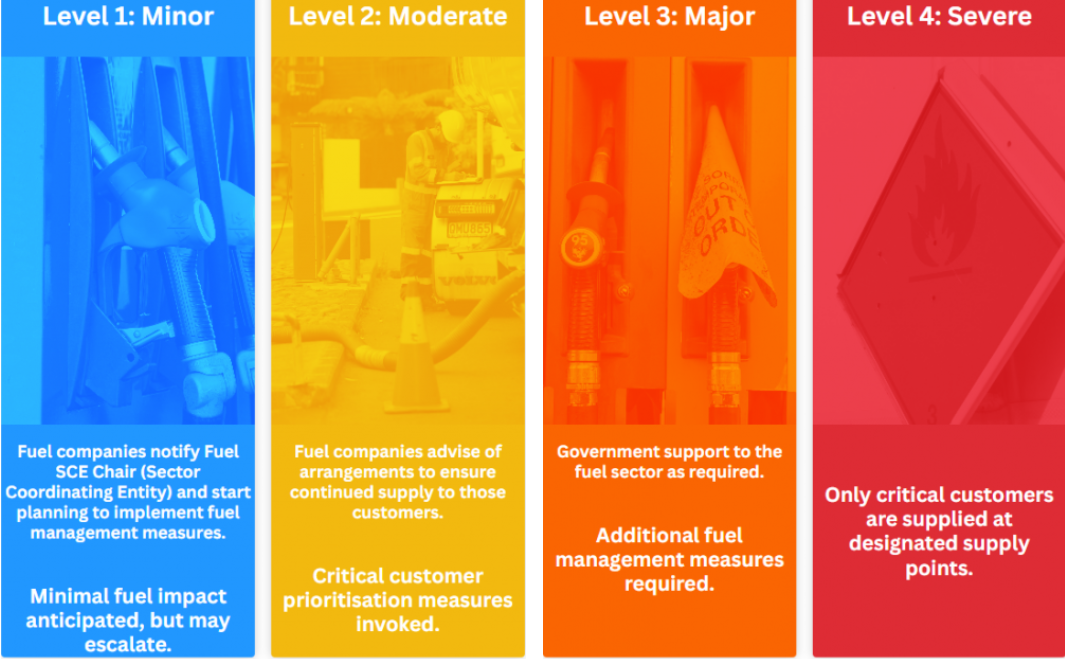
New Zealand's National Fuel Plan mimics the Covid-19 response in that it has four phases, each outlining measures that would be taken if the situation gets progressively worse.
New Zealand is currently at phase one and the government has said for now there is sufficient supply and no need for stockpiling.
The Ministry for Regulation is now urging businesses, fuel users, freight operators and the wider public to report any barriers that could stand in the way of the government's response.
The ministry's main job is to ensure quality across regulatory systems and encouraging productivity.

Regulation Minister David Seymour said the ministry was interested in hearing from businesses on the front line including fuel companies, freight operators, contractors, primary producers and retailers.
"We can't control what happens in the Middle East. We can control how we get fuel flowing through New Zealand pumps. If red tape is getting in the way of that goal, we want to hear it."
Seymour said the government was trying to avoid a "repeat of the Covid-19 lockdowns".
"We don't want to miss something which could lead to negative effects down the line.
"That's why we want to hear from people affected by edicts from Wellington; what regulatory barriers do you see getting in the way of fuel supply?"
Examples of submissions that could be made included barriers affecting fuel transport, storage, distribution, local delivery, freight movements, business operations, or the ability of firms to adapt quickly to changing supply conditions.
"In a disruption every unnecessary delay matters. If there are regulations that make it harder to import, store, distribute, or use fuel efficiently, they need to be identified now. Not when the pressure is at its peak," Seymour said.
Submissions can be made to the Ministry for Regulation's Red Tape Tipline.
Fuel escalation level based on severity of impact
Motor Trade Association spokesperson Simon Bradwell recently said there were concerns over the increasing possibility of people driving off without paying for fuel.
He said businesses were doing what they can to keep prices down as it was also in their best interest.
The government also announced earlier this week financial help for some families.
From April 7, about 143,000 working families with children would get an extra $50 a week through a boost to the in-work tax credit. The government would also expand eligibility to about 14,000 additional working families, who will receive the tax credit at an abated rate.
The increase would be temporary - lasting for one year or until the price of 91 octane petrol drops below $3 a litre for four consecutive weeks.


