
PHOTO

Christchurch city councillor Nathaniel Herz Jardine has passed his first-ever amendment but it did not come without controversy.
A majority of city councillors in a 9-5 vote backed his amendment to ask Christchurch City Holdings Ltd to investigate the possibility of a zero pay increase for the executives and directors of its companies.
However, there were notable votes against, including the right-leaning Mayor Phil Mauger, deputy mayor Victoria Henstock and finance committee chair Sam MacDonald.
The chief executives of the four infrastructure-based, ratepayer-owned companies – Christchurch Airport, Lyttelton Port Company, Orion and Enable – all earn more than $850,000 a year.
The city council owns the companies through CCHL.
The amendment was included in the annual letter of expectation to CCHL, which provides city councillors an opportunity to outline strategic priorities, financial targets, and governance requirements for the coming financial year.
After the meeting, Herz Jardine, the Heathcote Ward city councillor and member of left-leaning The People’s Choice, said he was thrilled to get a clear majority for “fiscal common sense”.
“A rates cap is coming, and residents have told me that we need to find other ways to cut our cloth before we start talking about cutting services. That's what this is all about.”
Herz Jardine said he is looking forward to working with CCHL to implement the pause on pay rises.
"The fact is that every extra dollar spent on executive remuneration is a dollar from the pocket of ratepayers.”
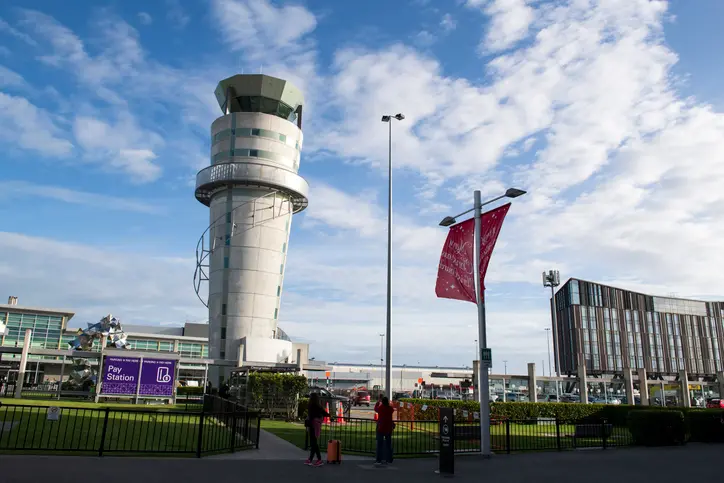
Christchurch Airport chief executive Justin Watson (above) earned the highest salary of the council companies at $937,060.
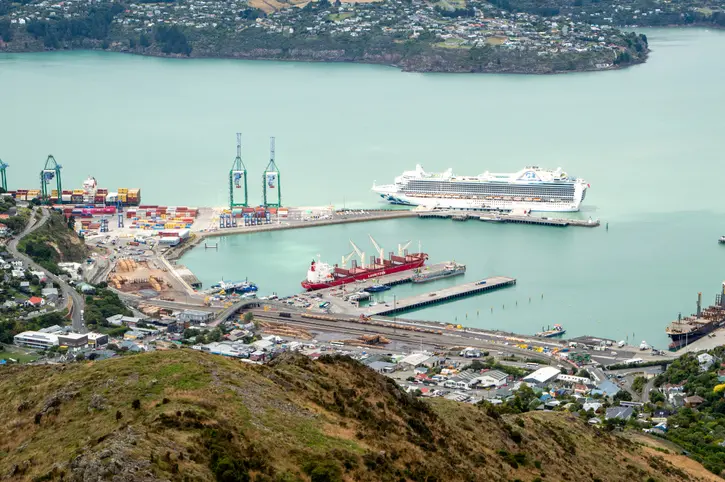
Lyttelton Port Company chief Graeme Sumner earned $881,237, followed by Orion Group chief Nigel Barbour on $880,000, while Enable chief Johnathan Eele earned $862,000.
City Care has two chief executives, one in charge of the property side of the business Peter Lord, and the other, Tim Gibson, in charge of the water side. They earned $587,000 and $567,000 respectively.
Although chief executive salaries are paid from the company budgets, it has an indirect impact on the city council budget.
Executive and director pay, and all other company costs, lower the dividend the companies pay to the city council each year.
Dividends from CCHL companies totalled $55m in the last financial year and help to offset rates increases.
When asked by The Star what actions would be taken in response to the amendment, CCHL spokesperson Sue Taylor said the company was unable to provide comment as it awaits the final letter of expectation which will then be considered by its board.
It is hardly the first time left and right-leaning city councillors have fought over the autonomy of CCHL.
In a close 8-7 vote in December 2023, city councillors voted against a proposal to give the CCHL board more autonomy over the asset portfolio.
Mauger and MacDonald supported the move, which could have potentially paved the way for partial or full strategic asset sales.
The city council’s role in union disputes at the port has also been a matter of contention.
The long-running battle over CCHL and its companies will continue with Mauger and MacDonald supporting the idea of selling Enable.
Herz Jardine, 32, is a first time politician after winning the Heathcote Ward by 1491 votes in the October local body elections.
He got his start in local politics as the manager of Living Wage Movement Canterbury which helped pressure the city council to pay its contractors a living wage.
“I think that background has informed the things I find important. When you're working in that low pay space, and you're talking to people who are working 50 to 60 hours a week and still can't afford to get decent food for their kids or heat their flat. Those are the issues that are really important for me,” he said.
During the meeting, MacDonald said city councillors have to be careful not to “vilify” the chief executives.
“We have seen a $450m uplift in the value of companies in the last year alone. I will remind you, when things go wrong with CE’s, they go horribly wrong.”
In response, Herz-Jardine told The Star his amendment was not about vilifying individual executives.
“I find it really hard to understand how you could feel really bad for someone who gets paid more than $850,000 a year two years in a row.”
Herz Jardine said the vote shows a clear philosophical difference between city councillors on publicly-owned assets.
“It's really important that the public owns and controls public infrastructure. I just simply don't believe that the corporate world and the market is the best way to make all of these decisions on things like executive pay.”
The different perspective of others around the council table is clear. Henstock called the pay freeze amendment “governance overreach” during the amendment debate.
CCHL was formed partly so politicians could not control the day-to-day operations and budgets of the council-owned companies.
This leaves operational decisions to CCHL and each company’s management.
The Star asked Mauger and the four other city councillors, Henstock (Papanui), MacDonald (Waimairi), David Cartwright (Fendalton), and Mark Peters (Hornby) – who voted against the amendment – for their views on the issue.
Only MacDonald gave a full reply, outlining his concerns about the amendment.
Mauger and Henstock said they supported MacDonald’s view, underpinning the alignments within the city council. MacDonald said he was concerned the amendment risked blurring the line between the city council’s shareholder role and the role of the boards of the individual operating companies.
“Christchurch City Holdings is in place specifically to monitor and oversee the operational subsidiaries on council’s behalf. That structure exists for a reason.”
He said remuneration is an employment matter and sits with individual company boards and their chief executives.
"Neither council nor councillors are the employer, and it would not be appropriate for us to offer views on the appropriateness of individual remuneration arrangements. The Companies Act is very clear on where those responsibilities sit.”
MacDonald said he does not hold a view on the pay levels for each chief executive as those decisions sit with the company boards.
“We have deliberately established a governance model that provides independence and clarity of roles, including to support confidence in how the group accesses capital and operates in the market.”
The councillors who voted for the amendment were Kelly Barber (Burwood), Pauline Cotter (Innes), Celeste Donovan (Coastal), Tyrone Fields (Banks Peninsula), Tyla Harrison-Hunt (Riccarton), Herz Jardine (Heathcote), Yani Johanson (Linwood), Jake McLellan (Central) and Tim Scandrett (Cashmere). The councillors against were Mauger, Henstock, Cartwright (Fendalton), MacDonald and Peters. Melanie Coker did not vote because she is a CCHL director. Aaron Keown (Harewood) and Andrei Moore (Halswell) were absent.