

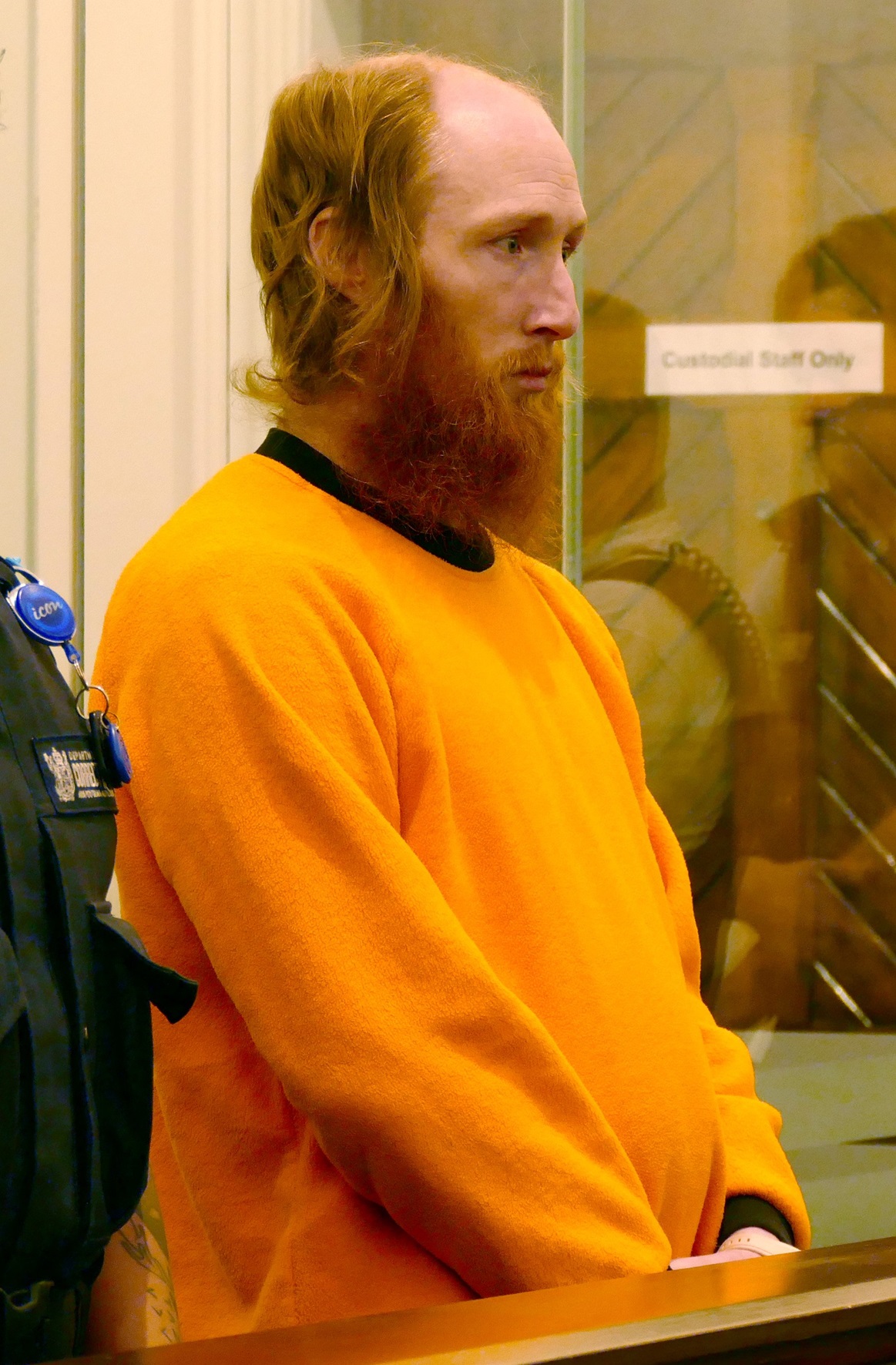
Keith Andrew Wicks-Cairns, 37, appeared in the High Court at Dunedin yesterday, where he was sentenced to preventive detention — an open-ended prison term reserved for only the nation’s most high-risk sexual and violent criminals.
Justice Melanie Harland imposed a term of seven years three months before the defendant could apply for parole.
The court heard Wicks-Cairns had been jailed in 2013 for the sexual abuse of two young girls and the judge said his crimes were escalating in seriousness.
There was a clear pattern of offending against vulnerable females, and the defendant showed little insight into the impact of his behaviour, she said.
A clinician who assessed Wicks-Cairns also identified "psychopathic traits".
The victim of his latest attack was left suffering "anxiety that appears out of nowhere, leaving me shaking or unable to breathe".
"Some days I barely recognise myself," she wrote in a statement.
Despite the overwhelming repercussions of the ordeal, she was determined to progress, she said.
"I want the defendant to know, I won’t let his cowardly actions dictate my life," she said.
"Knowing you’re in prison makes me happy."
Wicks-Cairns was driving around north Dunedin’s student sector early on February 4 last year.
He parked in Queen St and CCTV captured him walking towards Cosy Dell Rd, wearing a beanie, dark clothing and red shoes.
The defendant later claimed he had gone to the house only to commit a burglary but the judge expressed some scepticism at that explanation.
Once inside, Wicks-Cairns made his way to the top floor, where the woman was sleeping, and immediately covered her mouth with his hand, forcing her head into a pillow.
She screamed and kicked out, prompting Wicks-Cairns to restrain her by the wrists, his knee against her lower back.
"No-one is going to hear you," he said.
The defendant then violated the victim despite her protestations, telling her to "enjoy it".
Once the attack ended, Wicks-Cairns led her to the kitchen and made her wash her hands.
When they got back to the bedroom, he warned her if she told anyone what had happened, he would be back.
Twenty minutes after arriving, Wicks-Cairns was again caught on CCTV running from the address, carrying the victim’s bedsheet.
Justice Harland said there were multiple points where the man could have ceased the attack.
Wicks-Cairns explained his thought process to one clinician: "F... it, I’m already f..... up. It can’t get any worse ... I’ve already broken into a house and reached the point of no return."
The defendant claimed he had "no clue" why he had subjected the woman to such a degrading attack.
In interviews with two clinical psychologists, he only revealed scant details about his motivation and Crown prosecutor Richard Smith said there was no evidence of insight or remorse.
"Rather, his remorse is self-pity that he was caught," he said.
Mr Smith noted Wicks-Cairns’ previous sexual assaults also involved sleeping victims and he had recently admitted he had "groomed" the girls’ mothers to gain access to their children.
Preventive detention was essential for community protection, Mr Smith argued.
Counsel Joshua Grainger said his client was "not beyond rehabilitation" and the seriousness of his current plight had been "a wake-up call".
He argued for a finite prison term and said Wicks-Cairns could be made subject to an extended supervision order at the end of his sentence if there were still concerns over his risk.
However, it was not enough to persuade Justice Harland, who said while many preventive-detention cases were "finely balanced", this one was not.
Wicks-Cairns was at very high risk of future sexual offending and there was no evidence to suggest he would engage meaningfully in rehabilitative work, the judge said.
Psychologists highlighted the barriers to treatment and a "stable and enduring pattern of personality disturbance".
Wicks-Cairns wrote a letter to the court, a passage of which was underscored by Mr Smith.
"I know prison is where I deserve to be until I’ve dealt with the demons inside . . . I’m right where I need to be to ensure the safety of others," the defendant wrote.
"I’m not sure I could’ve said it any better," Mr Smith said.
Detective Sergeant Reece Munro said it was a positive outcome and stressed police would continue "prevention activity" around the city.
Wall of shame: Dunedin’s preventive detainees
 2022: Dwayne Keats
Keats was on parole for rape in 2016 when he got work with the Salvation Army and struck again. He was originally jailed for 15 years but that was overturned by the Court of Appeal in favour of preventive detention. He will come before the Parole Board in 2027.
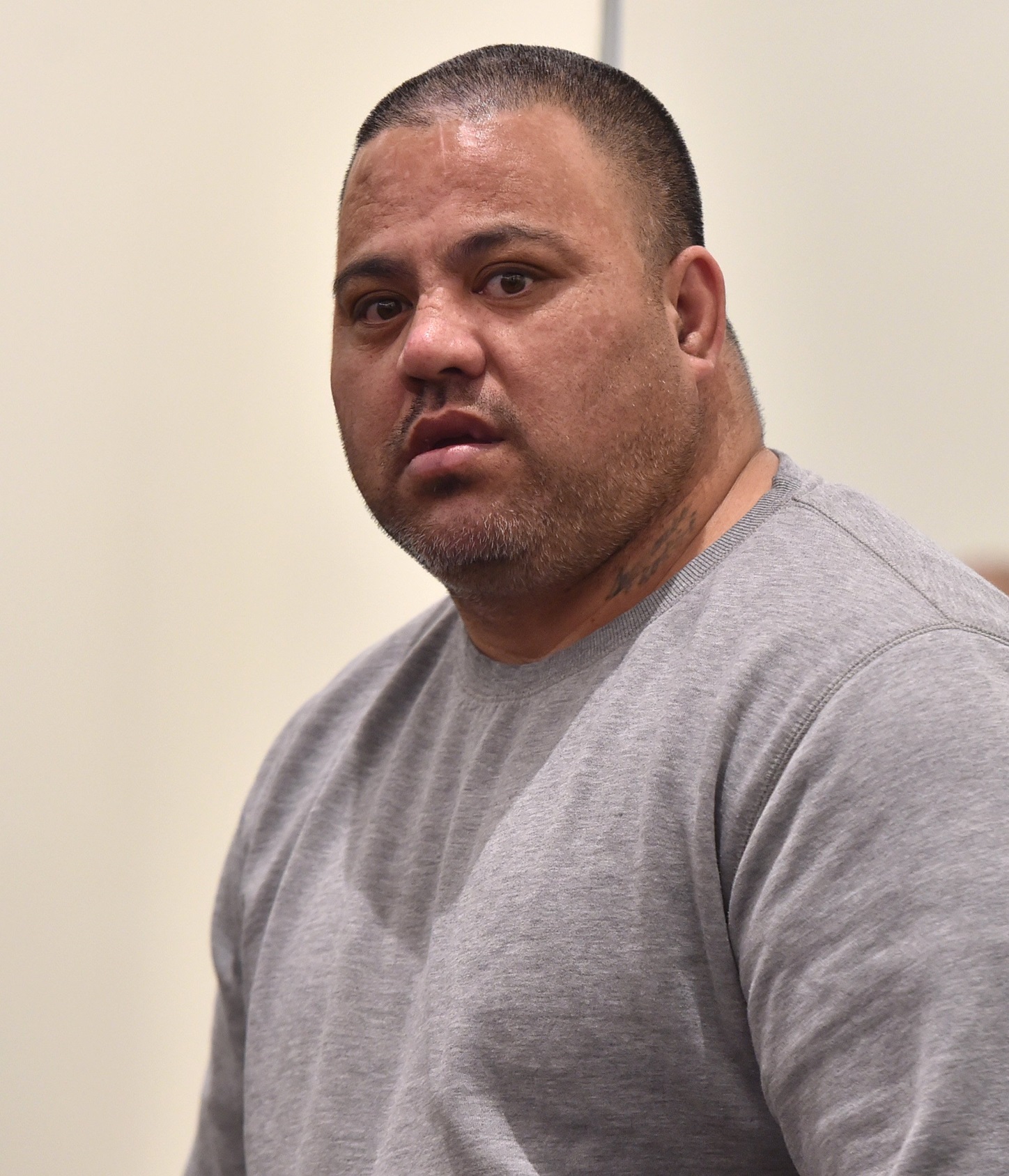 2019: Eric Hepi
Over three days, Hepi detained his victim, beat her, raped her and hacked off her hair with a knife. Experts found he exceeded the threshold in psychopathy tests and a judge called his actions “utter selfishness and barbarity”. He will be behind bars until at least 2033.
 2014: Joseph Lepper
Lepper amassed more than 70 convictions before he was locked up indefinitely. In 2013, he tried to drag a female pedestrian by her hair into his van in Vogel St, until bystanders intervened. The incident came shortly after his release from prison for raping a woman who was out jogging. Lepper has repeatedly been declined parole but will see the board again in November.


