
PHOTO
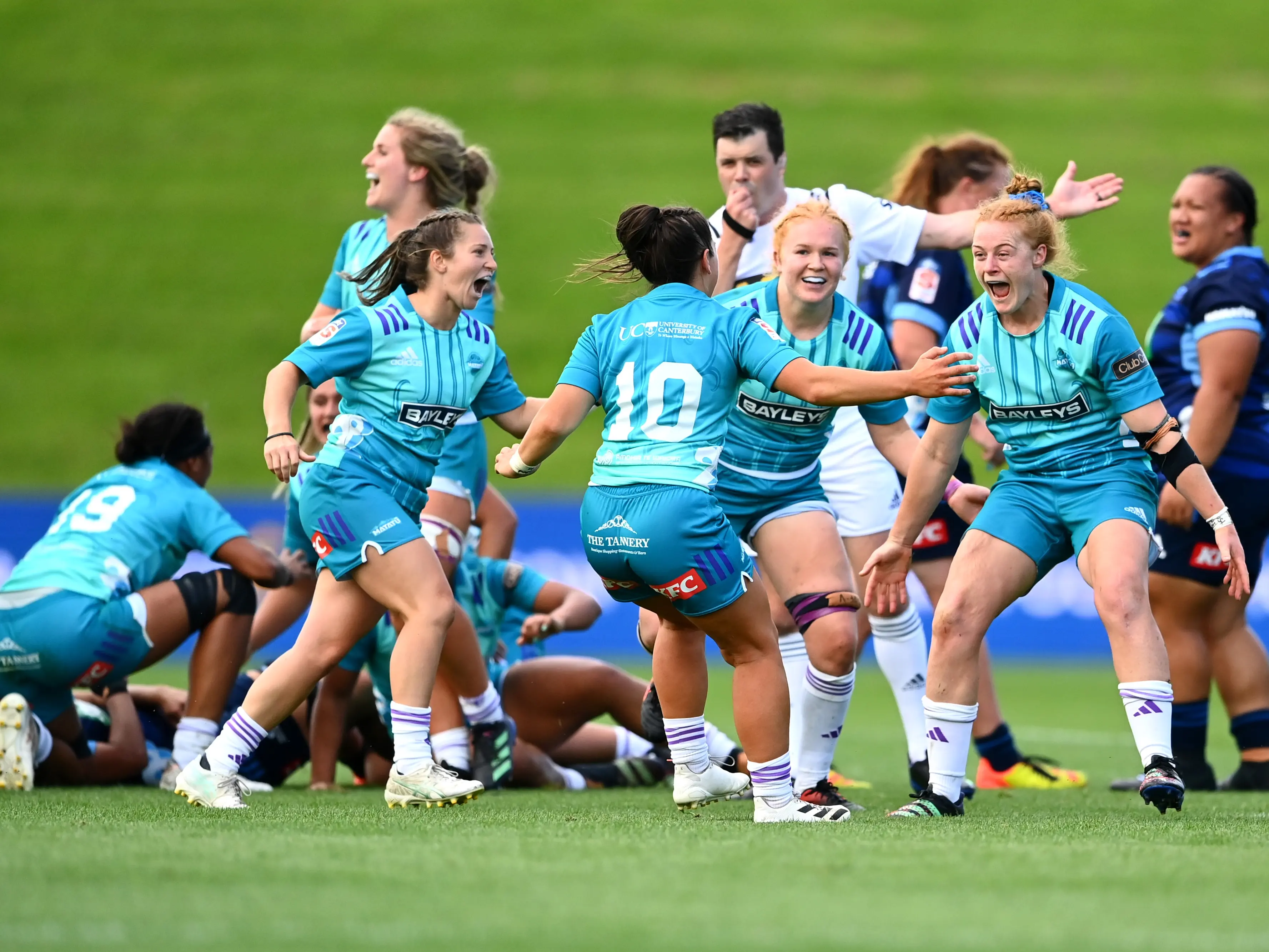
After five weeks of competition, it all came down to the last play of the final game to determine the winner of the second edition of Super Rugby Aupiki. Congratulations to Matatū, who have gone from worst to first after last year's winless season, the joy on their faces evident as they celebrated their thrilling 33-31 win over Chiefs Manawa.
We certainly found out just how much it meant to New Zealand's - and maybe even the world's - newest top level rugby rugby union side to lift a trophy, but there was plenty to think about from Aupiki as whole:
- Women's rugby is very good at producing very good games on the biggest stage. The Aupiki final had an incredible finish, but even if it hadn't the game itself was highly entertaining. That's on the back of the excellent last two consecutive World Cup finals, plus the dramatic Olympic Sevens semis and finals. You have to respect the willingness by coaches and teams to chance their arms with it all on the line.
- Flipping the script, the conventional wisdom was the Chiefs Manawa would lean on their much-vaunted lineout drive, but they chucked that out in the first half in favour of nifty moves that shot the defending champs to a big lead early. Matatū came flying back in a pulsating first half that reaped 48 points, but while the second half was much more conventional it fully retained the entertainment factor. The one benefit of such a short competition is that teams have little to no footage to study of their opposition, so must work each other out within the actual game itself. Hence why we see the sort of twists and turns that led to such an intriguing game.
- But it has been a very brief season. This is a far trickier discussion than just simply doubling the rounds in Aupiki or merging with the (unfortunately inferior) Australian Super W. The reality of women's professional rugby right now in NZ is that there simply aren't the player numbers underneath these teams to sustain club rugby, which would be affected if the Aupiki season ran into April/May. In fact, there aren't enough to sustain more than four semi-pro teams anyway - so any lengthening of the season would, at most, barely make it half of what the men play anyway. While it's not an easy fix, this at least feels like an opportunity for a radical overhaul to the way the rugby calendar is structured and perhaps a blueprint for the men to follow.
- Learning from mistakes. The most pleasing aspect of Matatū's ultimate triumph is that they got there after three of their four games going into the final were decided by three points or less. They almost butchered their first, against the Blues when they conceded a try on full time but luckily for them the conversion missed. They very much did butcher their second in baffling fashion against the Hurricanes Poua, turning down an easy shot at goal and losing by one. But, in perhaps the most impressive display of soaking up pressure and making the right decisions, they won their semifinal after a goal line turnover against the Blues and professionally went about killing the clock to make their way to the final.
- The talent is there. New Black Ferns coach Alan Bunting was a familiar sight in the stands throughout Aupiki and will probably be pretty pleased with what he saw. Most notably, the hole that Kendra Cocksedge left after retiring last year was actually a goldmine, with halfbacks from all the sides making some really strong cases for higher honours. While it didn't win the final, the Chiefs Manawa scrum dominance showed that area is only getting better, while the production line of outside backs like Jayme Kolose and Katelyn Vahaakolo are getting the best out of the more experienced Chey Robins-Reti and Ayesha Leti-I'iga.
By Jamie Wall