
PHOTO
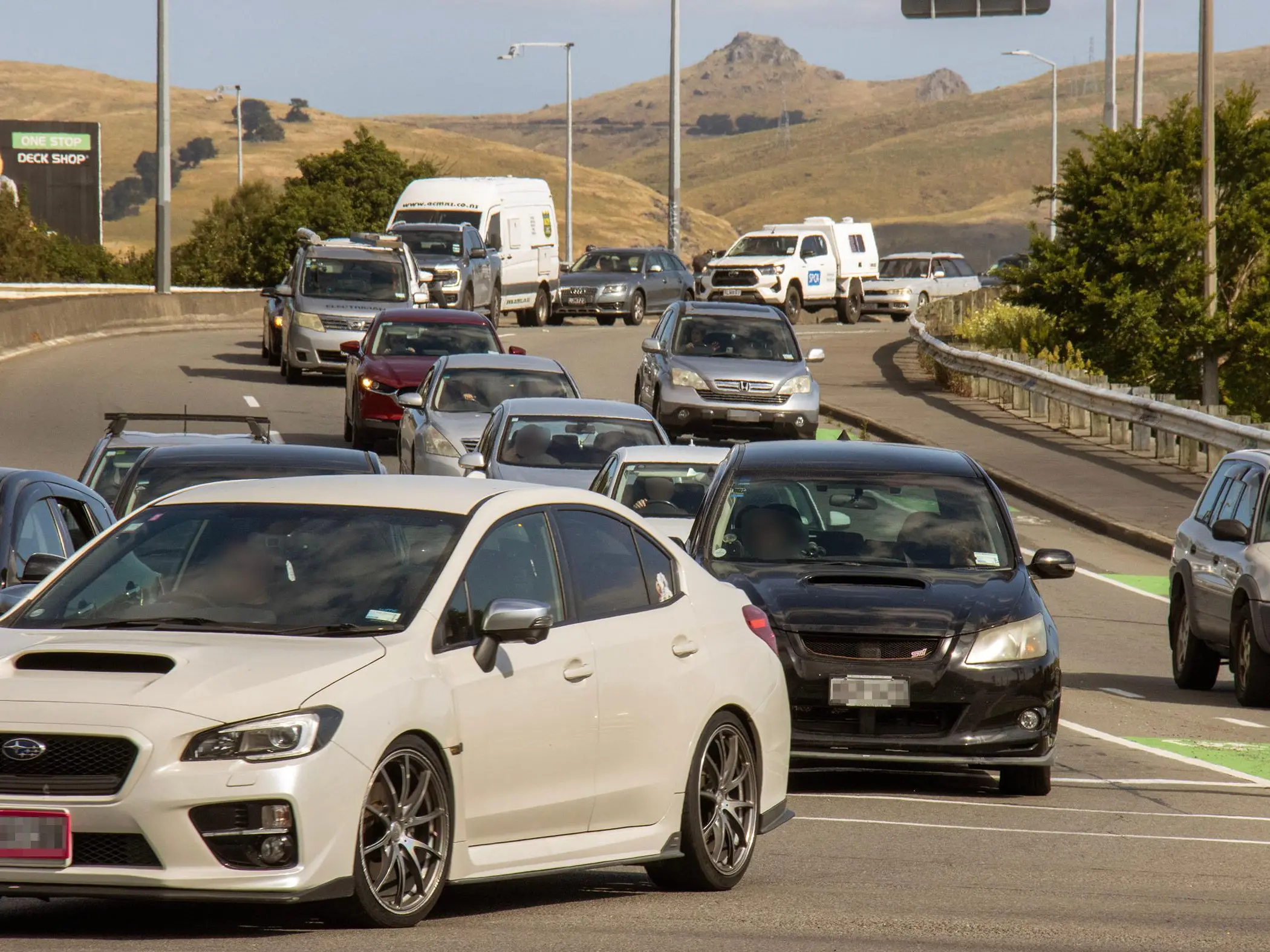
Greater Christchurch’s population is projected to increase by about 85,000 by 2050, adding 30-40% more vehicles to the city’s roads.
The population, including Selwyn and Waimakariri, could rise from about 560,000 to about 640,000 in 2050 – or up to 700,000 in higher projections.
As of January, there were 322,078 cars registered in Christchurch which could rise to between 420,000 and 500,000 by 2050 based on population growth projections in the Christchurch Future Transport Plan.
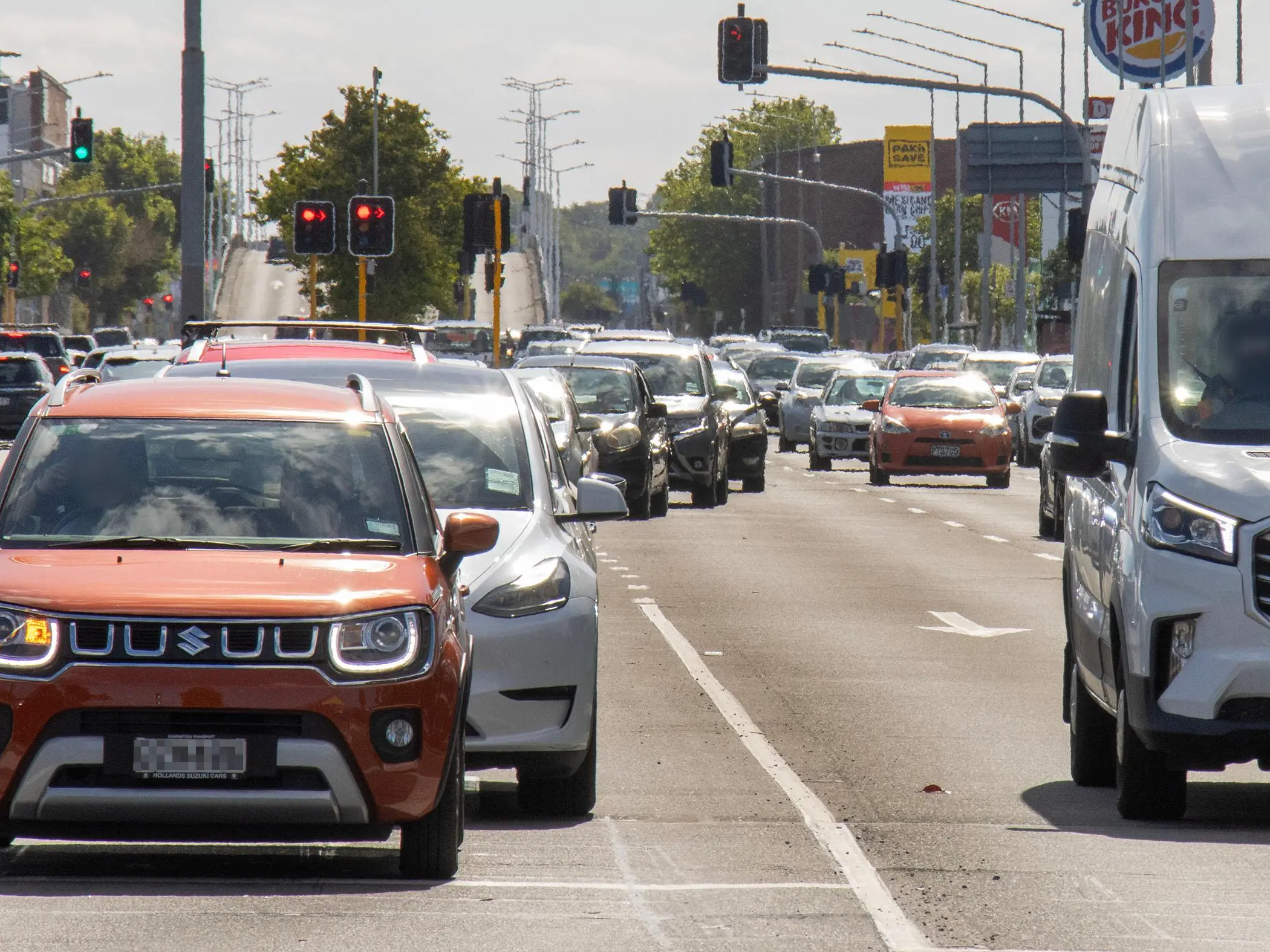
Without new transport infrastructure, the city council’s long-term transport plan predicts “severe congestion” will start between 2038 and 2050.
In national headlines it is often Auckland that makes the news for congestion woes, but Christchurch actually has worse travel times.
The 2024 TomTom traffic index shows it takes 21min 51sec on average to travel 10km at rush hour in Christchurch, compared to Auckland’s 18min 59sec.
But due to Christchurch’s much smaller total land size, the congestion is less obvious when compared to Auckland’s long distance commutes.
Christchurch is also a car-centric city with only about 7% of Christchurch households having no vehicle in 2023 and 74% having one or two vehicles.
The rest have more than two vehicles.
The looming risk of the city’s roads being clogged up is the focus for city council and Government transport projects, but typically slow-moving planning and funding approvals means many projects have long-term timeframes for completion.
The five roads with the highest average number of vehicles on a weekday are:
Moorhouse Ave 52,646
Brougham St 46,212
Bealey Ave 42,221
MainSouth Rd 38,531
Blenheim Rd 35,899
Major transport projects under way
Brougham St upgrade
Status: Construction started mid-July 2025 with completion set for January 2030.
Cost: $100m-152m
Impact: The project aims to ease congestion for cars and improve access for other transport options on Christchurch’s second busiest road. It includes a pedestrian and cycle overbridge, intersection upgrades, T2 lanes, traffic‑signal optimisation, shared paths, and bus and freight infrastructure.
Halswell Rd (SH75) upgrade
Status: Construction from May 2024 to mid-2026.
Cost: $60m
Impact: Bus lanes, cycle and pedestrian paths, and water infrastructure to accommodate growing population.
SH1 Belfast–Pegasus Motorway and Woodend Bypass
Status: Early works and design finalisation. Construction to start early this year and finish December 2030.
Cost: Could reach $1 billion
Impact: Four-lane motorway to Pegasus and Woodend bypass with expected improvements to freight and commuter flows.
SH1 Rolleston access improvements
Status: Started in October with completion expected in late 2028.
Cost: $180m-$200m
Impact: A new roundabout at the Dunns Crossing and Walkers Rd intersection with State Highway 1, making it easier to enter and exit Rolleston.
The motorway will be extended and intersections removed. New pedestrian and cycle access.
Bus network upgrades
Status: Under way, with further expansion partly dependent on Government funding and business cases.
Cost: $90m–120m
Impact: Bus lanes, signal priority for buses, upgraded stops on key routes along Riccarton Rd, Main North Rd, New Brighton Rd, Ferry Rd, Sawyers Arms Rd and Lincoln Rd and Cranford St.
Citywide urban cycleways programme
Status: Mostly delivered between 2014-2023 but ongoing with new routes and route upgrades. Likely full completion in early 2030s. The Nor’West Arc connecting Papanui, Canterbury University, Riccarton and Spreydon is still under construction costing $35m-50m (including water infrastructure) with completion expected mid-year.
Cost: Estimated $380m–$450m
Impact: 13 major cycle routes, aiming to form a fully interconnected, separated city cycle network.
Wheels to Wings – Papanui major cycle route
Status: Part of overarching city cycling network. Project delayed after cost blowout
with construction now staggered over time as
funding becomes available. Harewood Rd improvements, the first stage, started in November.
Cost: Estimated $30m–$40m
Impact: Links Harewood Rd, Bishopdale, Christchurch Airport and Papanui.
Future projects
Mass Rapid Transit
(bus, light rail)
Status: Approved on the NZTA national priority list this year but still in long-term conceptual phase. Funding not yet approved.
Cost: $3 billion–$4.4 billion
Impact: High-frequency bus or light rail rapid transit corridors, major transfer hubs, wider bus-priority corridors. Faster regional commuter routes for Rangiora, Kaiapoi, and Rolleston. Would connect Rolleston, Hornby, Riccarton, CBD, airport, Belfast and Rangiora.