
PHOTO
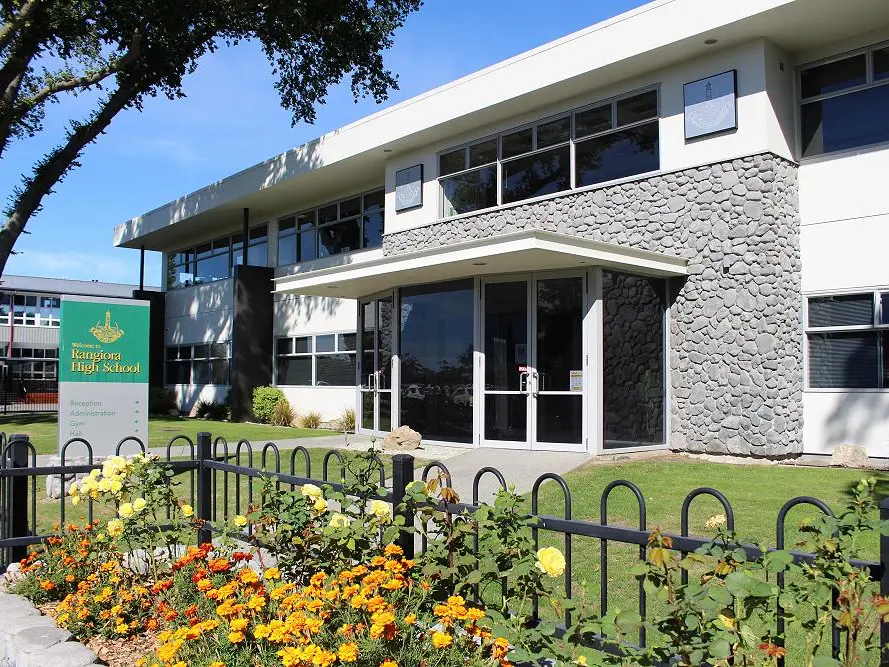
Stand-offs between parents and schools can be complex and an independent resolution service may not be the answer, school leaders say.
Recent media reports have called for an independent dispute resolution service to be established by the Ministry of Education to avoid students missing weeks or even months of school due to an unresolved dispute.
Children's commissioner Claire Achmad has said in the first instance it was up to schools to resolve disputes, but when that didn't happen there was a gap.
The Education and Training Act allowed for a dispute resolution service to be established, but no Government has set one up.
Simon Green is a parent, the Rangiora High School board of trustees presiding member and principal at Rangiora Borough School
He said an independent service could be useful in ‘‘high-conflict cases’’, but he urged caution.
‘‘I worry that if it’s too easy to access, it may pull too many everyday issues out of schools before we’ve had the chance to work them through properly with whānau.
‘‘Context matters a lot in schools, and you can lose that pretty quickly with an external process.’’

Rangiora High School principal Bruce Kearney said he had been involved in a few complex cases.
He was unsure how a dispute resolution service would help, as it would require some compromise.
Parents want what is best for their child, while schools were often ‘‘reluctant to compromise on their values, beliefs, policies and culture’’.
Cases which have made headlines in recent years have included schools standing by rules such as hair length.
While hair length had ‘‘absolutely no impact’’ on a child’s learning, it may be connected to the school’s culture, Mr Kearney said.
‘‘A parent may want their child to attend that school because they have a great rugby team, but don’t want to cut their child’s hair. My question is, what would the independent dispute service do? Tell the school to change their culture forever or tell the student to cut their hair?’’
Such cases can end up in the hands of lawyers and he was unsure whether an independent service would be any different.
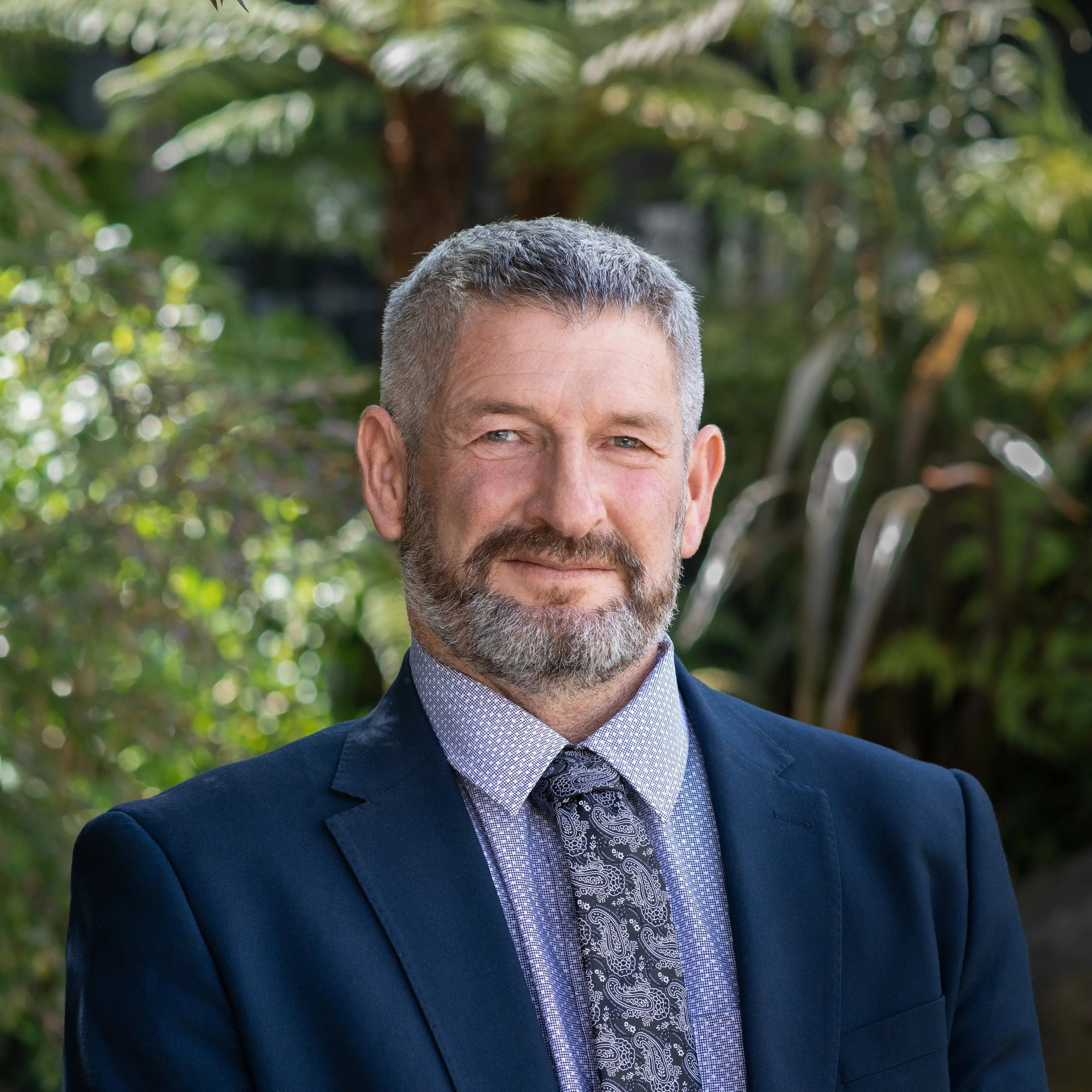
Kaikōura High School board of trustees presiding member Craig Mackle said mediation was ‘‘probably needed’’ in some cases.
Being the only school in town, Mr Mackle said the board preferred to find alternative solutions to expulsion and had enjoyed some success.
Ministry of Education spokesperson Helen Hurst said advice was provided to the Education Minister in 2024 on forming a disputes resolution scheme.
‘‘Where parents or caregivers have concerns about a dispute with a school, they should first raise these with the school, as each school board has a formal complaints process.’’
Schools are required to notify parents of a stand-down or a suspension in writing, Ms Hurst said.
‘‘If parents or caregivers believe a school is attempting to invoke a so-called ‘kiwi suspension’ (a suspension that has not been notified in writing) they should contact their local ministry office.’’
Disputes can be escalated to the Ministry or parents can refer their concerns to the Ombudsman. Advice is also available from the Citizens Advice Bureau, Youthlaw, the New Zealand School Boards Association or the Children’s Commissioner.
By David Hill, Local Democracy Reporter
■ LDR is local body journalism co-funded by RNZ and NZ On Air.