

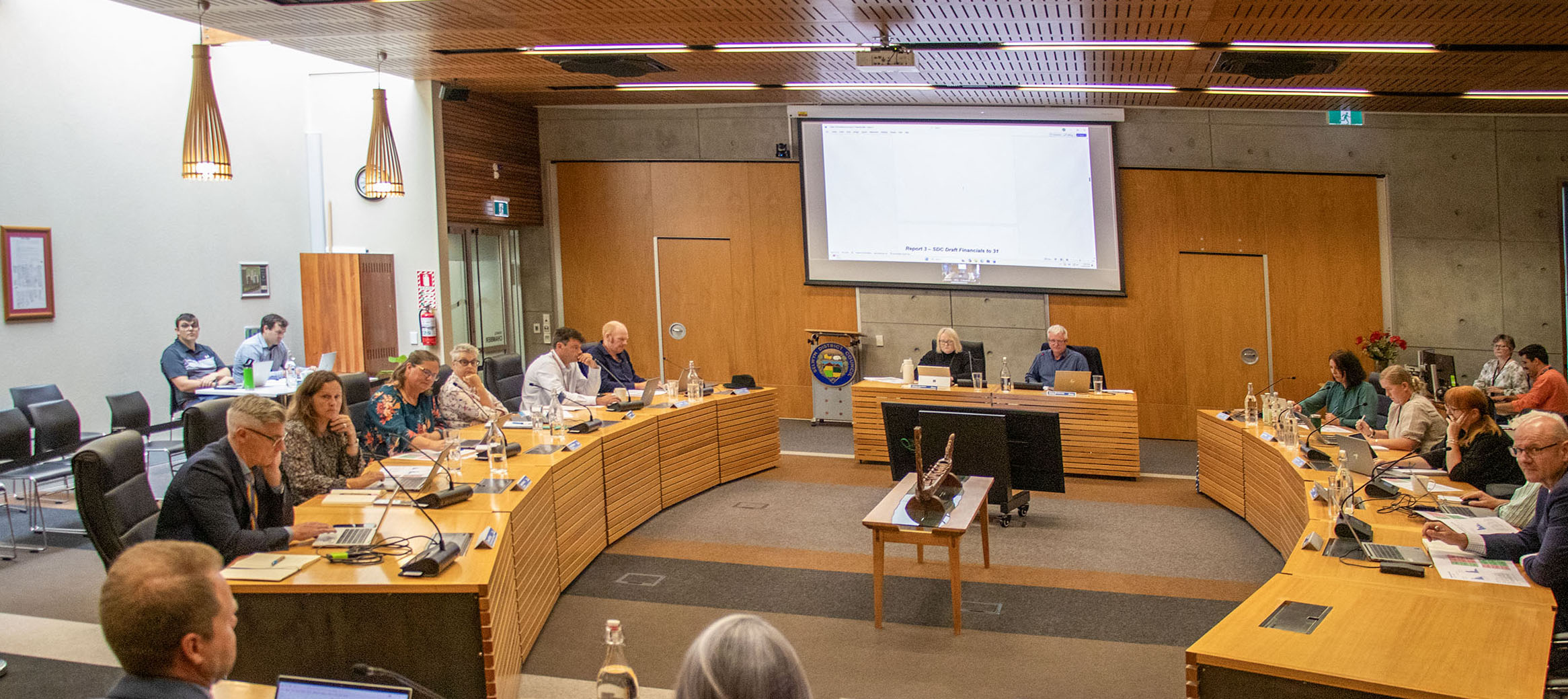
District councillors started Wednesday's meeting with a 13.3% rise based on the 2024-34 Long Term Plan before any savings were made.
To achieve the decrease, the council found about $9.2 million in savings and shifted to a more user-pays model.
Today's 6-7% figure will likely change before the Annual Plan, which sets what the council will spend and where, goes out for public consultation on March 16.
When Mayor Lydia Gliddon was elected in October, she pledged to make savings following two years of significant rates increases - 14.9% and 14.2%.
At today's meeting, councillors made it clear there were still more savings to be found.
Gliddon said for her rural property it would mean a general rates increase of about $300.
"To reiterate this is a draft," she said.
"Ultimately I think there is still a bit to do and there is still additional savings I think that we can find."
Gliddon said the ultimate decision will be up to the community and what service level they want.
Councillor Samuel Wilshire said the council "owes it to our ratepayers to do better."
Councillor Denise Carrick said she would prefer to see a number of 4-5%.
The overview of the savings was followed by a pubic excluded session where the council was expected to discuss the budget in more detail.
Where the council found savings
$2.6m from increasing dog registration fees, resource and building consent charges
$0.65 slowing down the economic development programme
$0.4m from the capital works programme
$0.26m reduction in grant funding
$0.2m from reducing spend or stopping some funded events for example the Selwyn Awards, Teddy Bear's picnic and Music in the Park
Councillor Sophie McInnes said this reflects a shift towards the Government's plan to cap rates at 4%.
McInnes said the shift will mean councils will have to reduce or stop subsidising services like dog registration fees with general rates and move to a user pays model.
Complicating the rates this year is the transfer of drinking water and wastewater to Selwyn Water Ltd.
The change means targeted rates for water and sewage connections are no longer in the general rates bill.
Councillor Tracey Macleod said it would have been nice for Selwyn Water to align its budget process with the councils to give ratepayers a complete picture.
Currently the best estimate for water is from July last year when the council signed off its water services delivery plan.
For an urban household with sewage, the bill from Selwyn Water is expected to be $1924 for the 2026/27 financial year, a $372 increase from the 2025/26 financial year.
Gliddon previously told Selwyn Times the council would not be able to undertake a major reset until next year, when it begins work on the 2027–37 Long Term Plan.


