
PHOTO
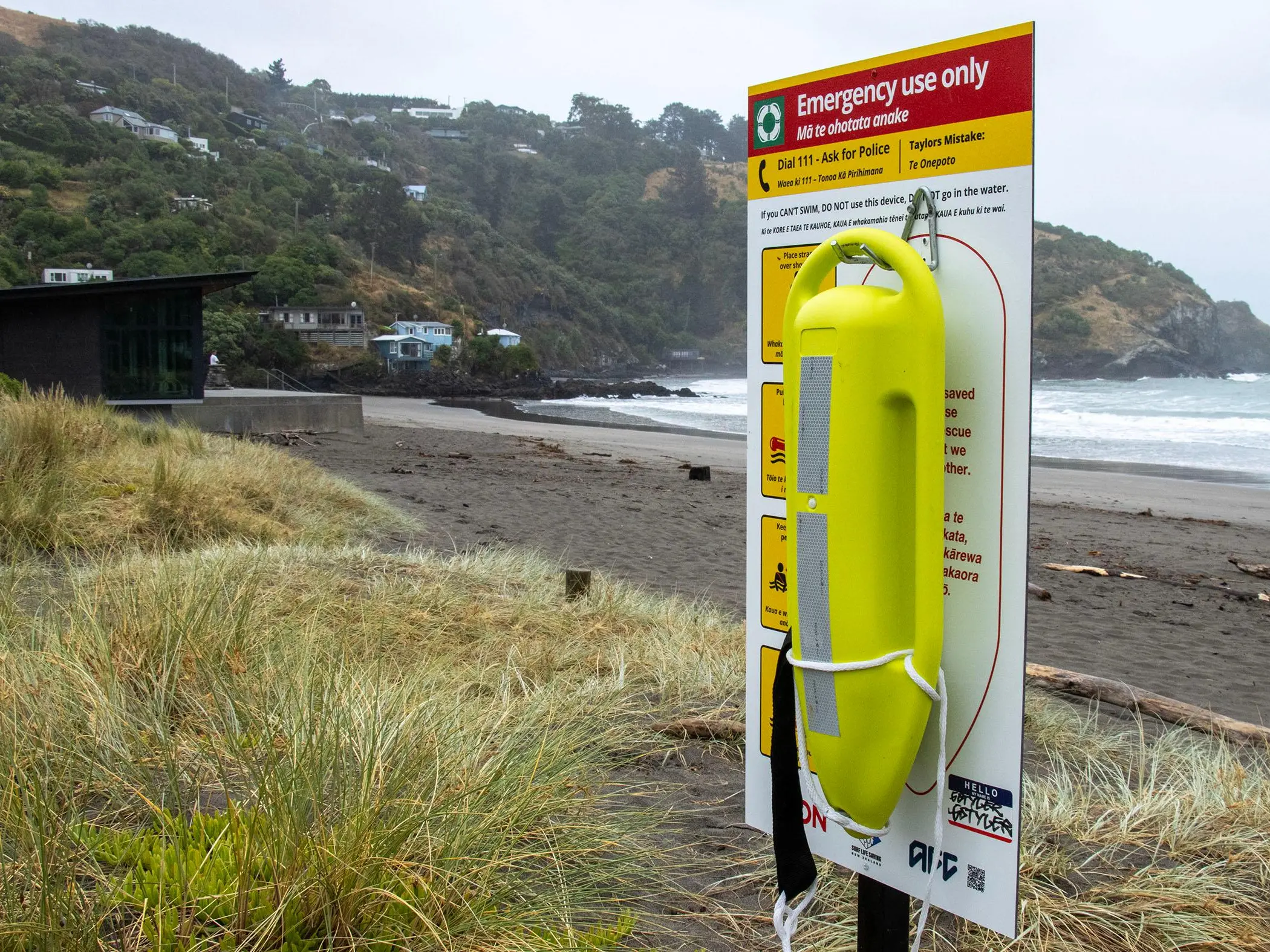
The theft of rescue flotation buoys from Christchurch beaches comes as a sharp rise in drowning deaths across New Zealand this summer has prompted calls to expand public rescue equipment in Canterbury.
Two rescue flotation buoys have recently gone missing from Spencer Park and Waimairi beaches.
The public rescue devices were among seven installed at the city’s main beaches ahead of the summer season.
The thefts, along with a vandalised sign at Spencer Park, have prompted concern on social media.
"Some entitled asshat has stolen the item intended to save a life," one person said.
Spencer Park Surf Lifesaving Club deputy club captain Linda Poulsen confirmed the club’s rescue buoy went missing about four weeks ago. She said it was being replaced “as quickly as possible”.
Poulsen said the flotation buoys were a great idea and would be an invaluable aid for rescues outside patrol hours.
“However, it’s disappointing some people feel the need to steal stuff.”
Surf Life Saving NZ installed 140 bright yellow rescue flotation buoys across New Zealand from May last year, including 72 at surf clubs.
The initiative is part of a national campaign to improve public access to rescue devices outside lifeguard patrol hours.
A rise in the number of drowning deaths is driving recommendations to expand the number of public rescue equipment sites in Canterbury – despite the ongoing issues with vandalism and theft.
The move follows the drowning of Christchurch man Chen You, 43, who was diving to collect seafood in Akaroa Harbour on January 10 when he went out of sight for about an hour. He was pulled from the water by the harbour master, but efforts to revive him were unsuccessful.
The death was one of 22 drowning fatalities recorded nationwide since December 1 – nine more than for the same period last year.
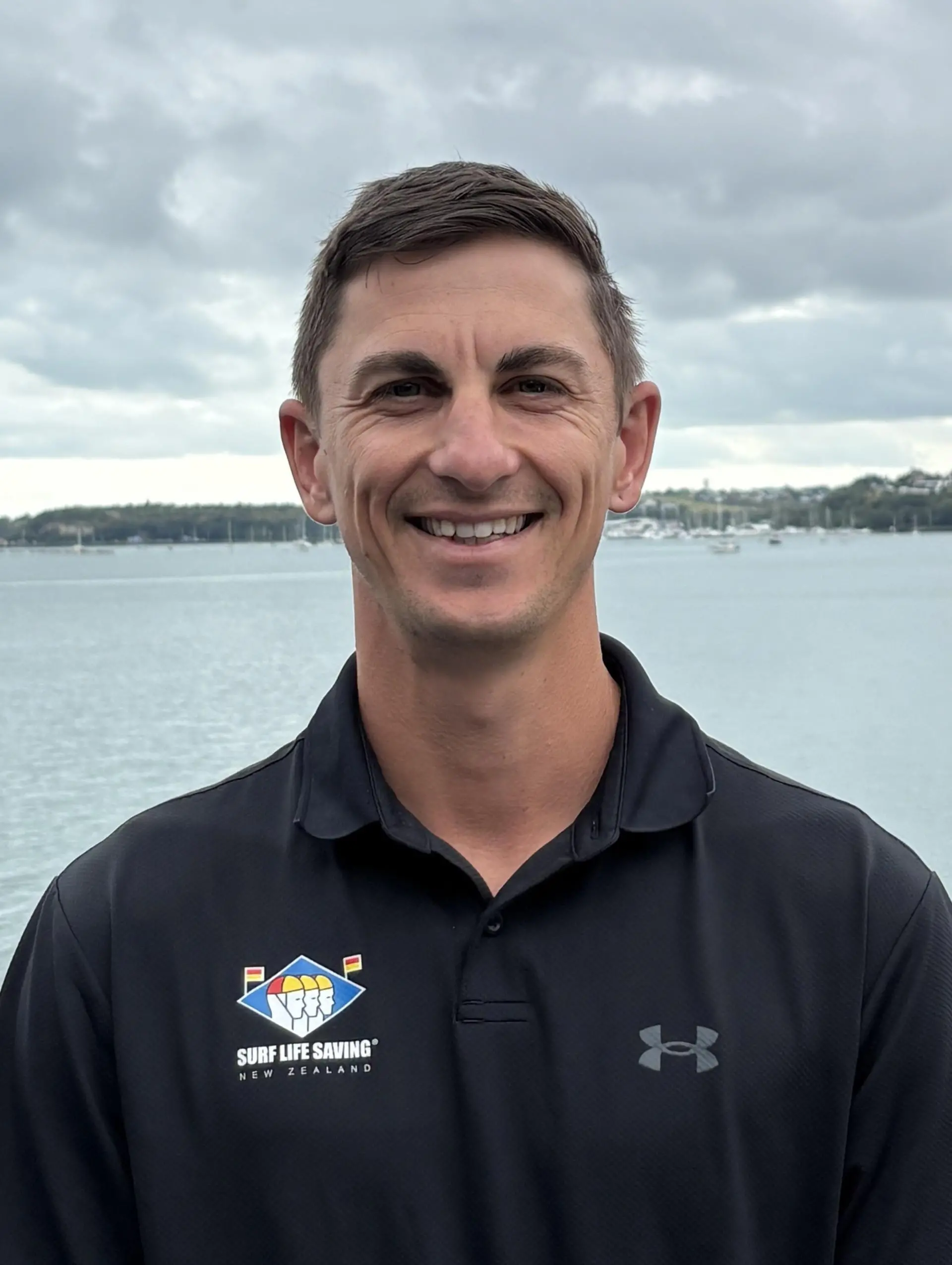
Surf Life Saving NZ national coastal safety manager Tom Kearney said the organisation was seeking more funding to expand the initiative in Canterbury.
He has recommended about 10 additional installation sites after completing hazard assessments.
“South Shore is a prime site, as it’s a dangerous area with a strong outflow.”
He said locations in Akaroa and across Banks Peninsula were also being considered.
“The city council is looking at how they fund the extra installations,” he said.
Kearney said there was a general concern about the devices being vandalised or stolen.
“Putting anything out in public was always going to be a risk.”
There have also been reports of the life-saving devices being used for recreational activities rather than for emergencies
He said the $138 buoys are made in Auckland, and surf clubs could apply for replacement buoys from the limited stock if needed.
“As long as they’re not going missing every other day, it’s a small price to pay if one gets used to save a life,” Kearney said.
“However, once they go, we’ll have to find a way to fund more.”
While there was no firm data, Kearney said there had been anecdotal reports of the flotation buoys being used in rescues.
“We’re looking at mechanisms we can use to report rescues. One option is possibly scanning a QR code on the sign or potentially a reporting function on our website.”
He said spells of hot weather had drawn large numbers of people to beaches in early October and again over the summer.
“We’ve seen a big increase in visitation numbers, but also in rescues.
“It’s looking like quite a busy season – and quite a tragic summer actually,” Kearney said.