
PHOTO
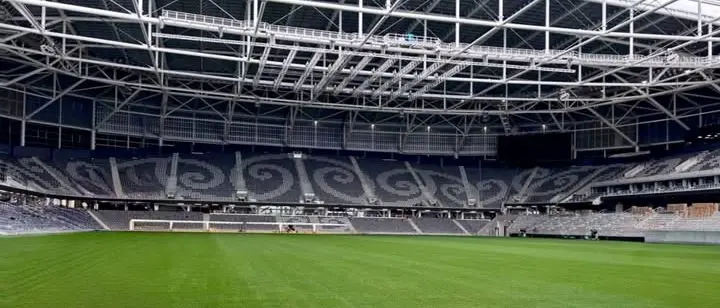
Christchurch ratepayers may never know how much they are forking out for One NZ Stadium’s insurance.
Christchurch City Council will not say what it currently costs to insure the new $683 million stadium – and it will not divulge the figure in the future either, citing “commercial sensitivity”.
It comes as the finishing touches are being added to the stadium ahead of its April opening.
City council finance committee chair Sam MacDonald said the insurance premium needs to stay confidential to get the best deal.
“You have to ask what’s driving the best value for the ratepayer? There’s always going to be times where in order to save ratepayers, and get the best value, that some stuff needs to be protected.”
The city council owns the stadium, so it will pay itself about $1m annually in rates.
Said a city council spokesperson: “The exact amount will be known when the rates are set and the final valuation is advised.”
The rates' payments for the stadium will be considered part of the city council’s regular rates revenue.
The spokesperson said the stadium is currently insured through contract works insurance during the construction period. Contract works insurance typically covers accidental damage to a new construction, building materials and protects against risks like fire, theft, vandalism, and natural disasters during construction.
Once the stadium is completed, the city council’s material damage policy will apply.
The city council would not tell The Star how much the stadium is insured for during the construction period, or how much has been paid for insurance during the build, citing commercial sensitivity as it relates to the construction contract. However, the spokesperson said the city council will release the insured value once the stadium is completed but not the ongoing insurance premium cost.
“We will be able to release the insured value but the premium is commercially sensitive.”
The stadium’s rates revenue will be subject to 15% GST. However, this will be totally offset and treated as a deductible expense.
The draft 2025 capital value for the stadium is $645.65m, which reflects the construction completed up to mid-December, the spokesperson said.
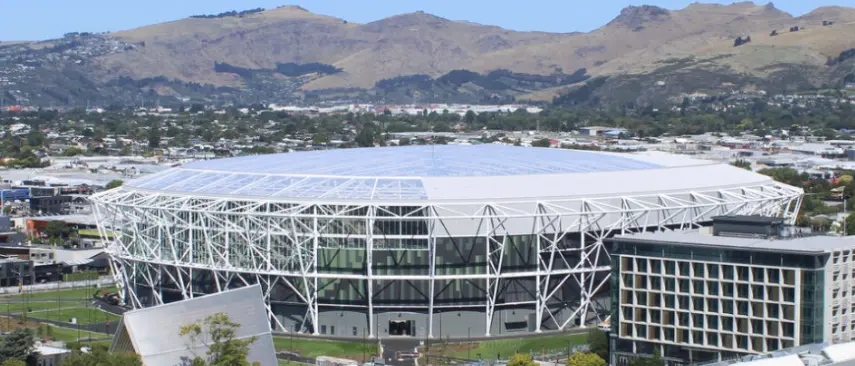
The remaining construction works will be incorporated into the capital value before the start of the 2026/27 financial year on July 1. This will provide the final value of the stadium’s land and facilities.
The city council’s insurance programme includes New Zealand insurers, such as Vero, NZI, AIG, Chubb and AIG. International cover is provided by Lloyd’s of London underwriters.
Lancaster Park was determined to be uneconomic to repair by the city council in December 2016 after it was severely damaged in the February 22, 2011, earthquake. Its demolition started in 2017.
Concerns were raised at the time about the stadium only being insured for $143m, well below its replacement value.
The city council agreed to a $635m insurance settlement in December 2015 for all earthquake-damaged infrastructure and facilities.
The payout for Lancaster Park was rolled into the overall settlement.
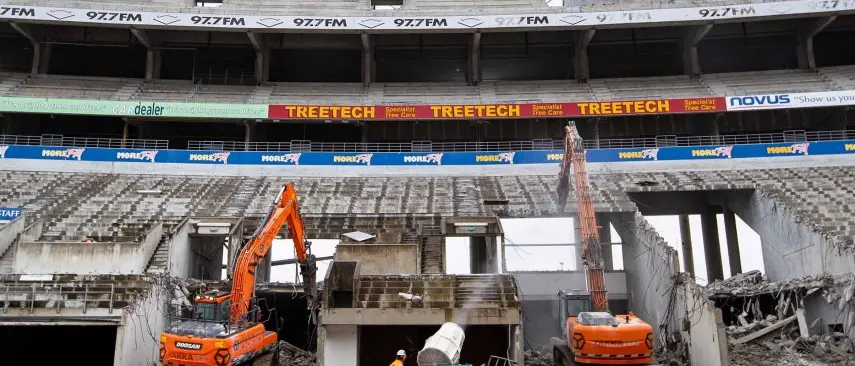
Conditions of the settlement prevented the city council from utilising insurance proceeds to replace Lancaster Park with a new stadium.
When asked by The Star what steps the city council has taken to avoid the new stadium being underinsured, the spokesperson said “the council’s assets are valued by independent valuers and quantity surveyors annually for insurance purposes”.
MacDonald is privy to the stadium’s insurance information and said the facility is “certainly not under-insured”.
The spokesperson said the city council will fully cover the stadium’s insurance costs.
“The annual cost of this is unknown at this stage. This will depend on the insurance markets at the time the council renews its policies.”
The seat numbers, couches and goal posts are among the final touches being added to the stadium.
City council project director Kent Summerfield said the audiovisual, lighting and sound systems are also being commissioned and tested.
“The stadium has been designed to provide world-class sound quality for concerts as well as a cauldron-like atmosphere for sporting contests.”
The stadium has 16 speaker arrays, each with eight to 10 speakers, as well as two layers of ribbon boards around the stands and two big screens.
The stadium is also kitted out with a range of lighting features.
“The sports lights have an array of settings, and we also have multi-coloured lights around the exterior of the stadium which can be programmed for lighting displays,” said Summerfield.
Couches, bar leaners, tables and chairs have been installed in the corporate suites, and the last few seat numbers are being added to the 25,000 permanent seats in the stands.
Summerfield confirmed the project remains on budget and on schedule. More than 3700 people have worked on the stadium, putting in over 2.3 million work hours.
The first major event will be the Super Rugby Super Round from April 24-26. The Foo Fighters are the first confirmed international music act, with a concert booked in at the stadium on January 19 next year.