
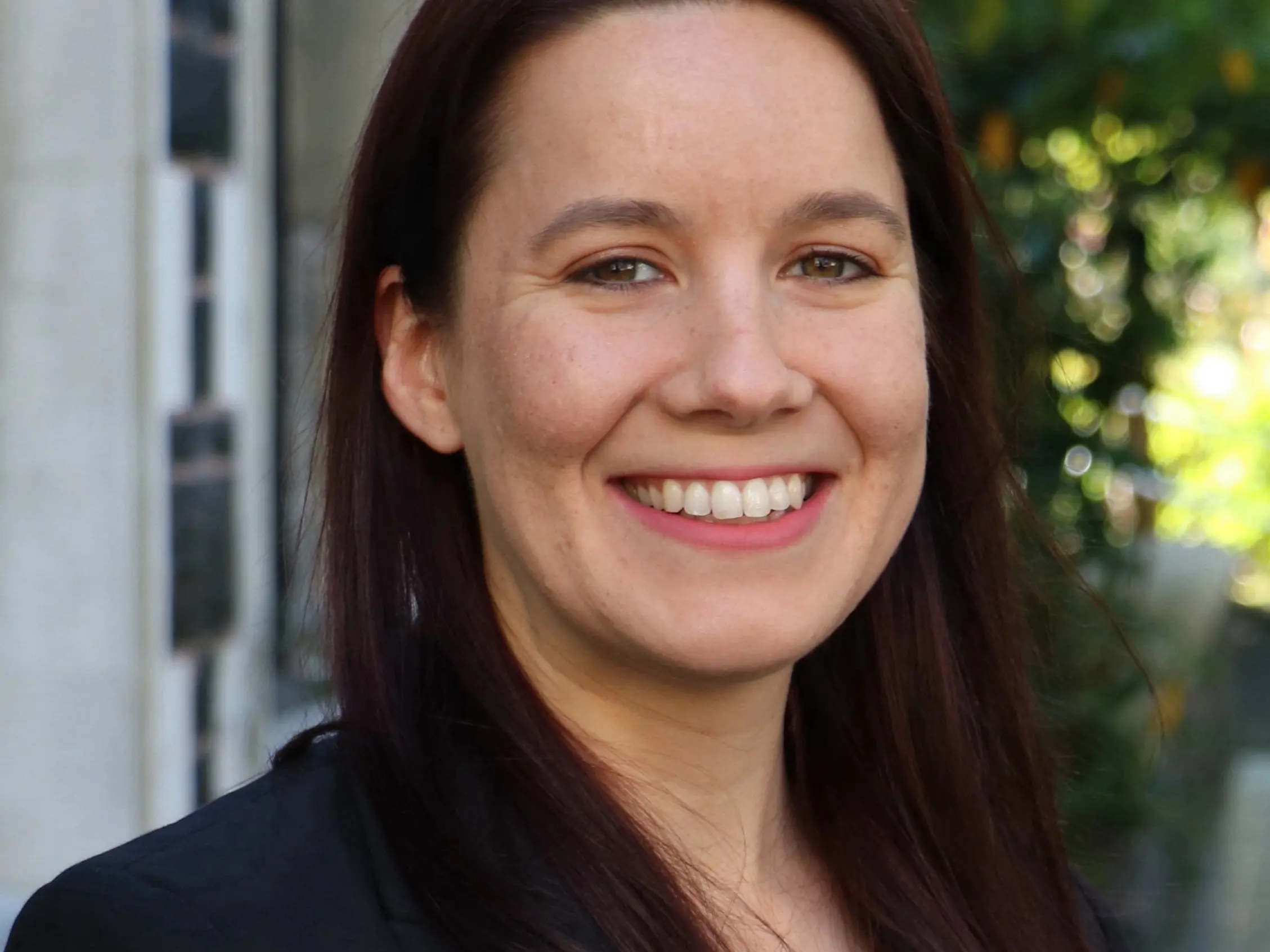
PHOTO

In a bid to avoid anaemia, chronic illness and developmental delays in their infants, New Zealand mothers are going to great lengths to ensure their children are fed well - often at the expense of their own wellbeing.
University of Otago-led research showed women were prioritising feeding their infants by stretching limited resources, sacrificing the quality of their own diets and seeking support, despite the shame and embarrassment it causes them.
It has prompted lead author and human nutrition researcher Dr Ioanna Katiforis to call for longer-term, family-centred and systemic solutions to address food insecurity in New Zealand.
Dr Katiforis said an increasing number of households had food insecurity, where there was limited or uncertain access to food in socially acceptable ways, and it was now considered ‘‘a major public health concern’’.
‘‘It’s driven by inequality, inadequate access to and affordability of healthy diets, and an increase in unhealthy food environments.
‘‘Most concerningly, it is associated with inadequate dietary intakes, anaemia, chronic illness, developmental delays, and poorer academic performance in children.’’
In New Zealand, the number of households with children aged 0-4 years that reported running out of food, increased from 14% in 2020, to 20% in 2024.
She said the study found mothers ‘‘universally’’ reserved the most nutritious foods for their children, compromising the quality of their own diets.
‘‘Some mothers were eating cheap filler foods, particularly bread, instead of the meals they prepared for their children.
‘‘A few ate sandwiches or toast for their evening meal, with one mother explaining that ‘a piece of bread will fill you up’ when she was hungry.’’
Dr Katiforis said several mothers reduced their portion sizes or skipped meals entirely.
‘‘They were adamant that they had to go without, so their children would have enough food.
‘‘One mother planned for when she would go without, masking her hunger with water.’’
For several mothers, breastfeeding was a goal, but it was not always perceived as a ‘‘free option’’ because of the mental and physical exhaustion associated with keeping up their milk supply.
Other mothers put ‘‘substantial effort’’ into planning, researching, implementing and evaluating strategies to stretch their financial resources.
‘‘Some relied on financial support from their parents or parents-in-law.
‘‘Others wouldn’t access food banks because they felt embarrassed or believed other families were in greater need.
‘‘And while some applied for one-off food grants from Work and Income, it was always a last resort because of negative experiences they’d had with the service.’’
Dr Katiforis said the study highlighted the need for longer-term, family-centred and systemic solutions.
‘‘Rather than relying on charitable food assistance and one-off food grants, food assistance programmes could be integrated into existing maternal and child health services for low-income families, streamlining support and reducing stigma.
"Policies across multiple sectors ... that increase financial resources for low-income households with infants, are essential to enable mothers to feed themselves and their children nutritiously.’’