
PHOTO
Public pushback against the potential sale of a historic Māori burial ground on red-zoned land in Christchurch looks to have paid off.
Christchurch city councillors are set to vote to remove the property from a council list of red-zone sites across the city earmarked for sale.
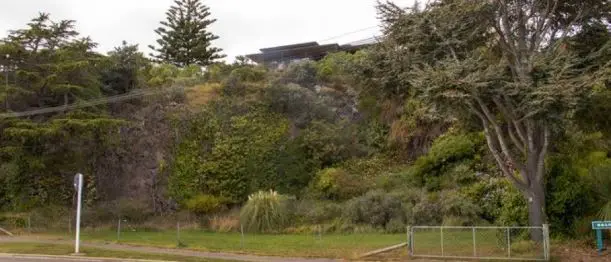
The urupā, known as the Sumner Burial Ground, is on McCormacks Bay Rd near the intersection with Main and Beachville Rds in Redcliffs.
City council staff had been due to present a recommendation on the future of the burial site to councillors at a workshop on Tuesday.
However, councillors decided further consultation was unnecessary as they were already in a position to make a decision.
That decision – not to sell the land – will be formally voted on at a council meeting on May 26.
City councillor Sam MacDonald agreed not selling the property was a victory for common sense.
“It shouldn’t be on the list to start with. We’ve heard very clearly that it shouldn't be so there’s no point wasting time or money,” he said.
MacDonald and Heathcote Ward councillor Nathaniel Herz Jardine pushed at Tuesday’s workshop for the land not to be sold, which other councillors agreed with.
The land could instead be turned into a reserve.
“I think it’s a great example of the consultation process working. We’ve been able to listen to what the locals wanted and respond to that,” Herz Jardine said.
The burial site had been included on a list of red-zoned properties that could potentially be sold as part of the council’s Annual Plan 2026/27.
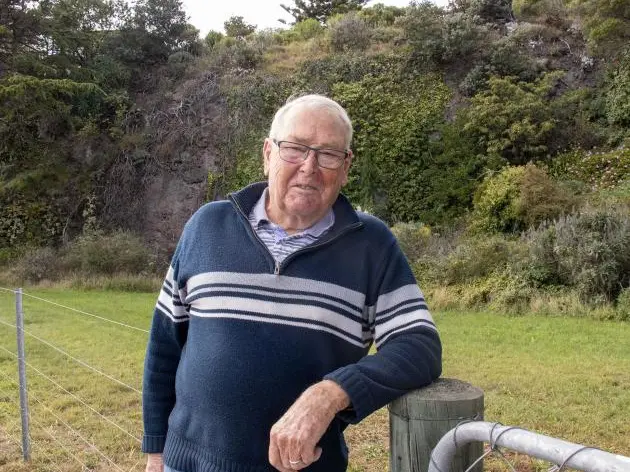
Redcliffs resident Martin Ward led the opposition to the potential sale. Thirty people made submissions about the possible sale, the majority of which were against it.
The Sumner Burial Ground was first identified in 1873 during road construction works.
The remains of Waitaha settlers – regarded as the earliest people of Te Waipounamu – were excavated by explorer and Canterbury Museum founder Julius von Haast.
The site contained at least six human skeletons buried in crouched positions, along with artefacts including polished stone tools. The burials were overlain by deposits of shellfish, fish, seal and other mammals.
A large oven was also found, with stones visible on the surface of one layer.
Further excavations in 1958 uncovered two more skeletons, along with necklaces and a fish hook point.
Ward said it “good news” the land had been pulled from the sale process, but the fight to protect the historic site was not over.
“Now the real job facing the city council is how to appropriately secure and memorialise that land in conjunction with mana whenua and the local community.”
Mana whenua of the site Te Ngāi Tūāhuriri Rūnanga did not respond to questions from Bay Harbour News.