
PHOTO
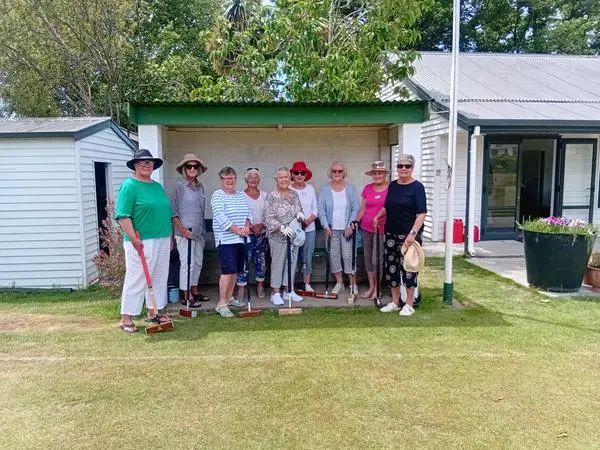
Elmwood Park came about as a gift from Sir Heaton Rhodes. Elmwood was the homestead of Robert Rhodes in the 1860s. The homestead was used later as a school for boys and then replaced by Heaton Intermediate in the tale 1950s.
On February 16, 1926, a meeting was held at Elmwood School with the purpose to form a Croquet Club in the grounds of Elmwood Park. A request was sent to the Christchurch City Council asking for a grant of land which was dually granted. A week later a meeting was held with Mr Arther Ross who was the NZ Open Champion and he became our patron. The Arther Ross Memorial Trophy is still being played annually in New Zealand.
The first Annual General meeting was held on the October 15, 1926. The object of the club was the promotion and playing the game of croquet which still applies 100 years later. Members were to live within 10 miles of the square and female only. Subs were £2.10 which equates closely $380 today.
From 1926 until the lawns and Pavilion were ready, fundraising for the club really began. Bridge afternoons became a major fundraiser until the late 1990s. A loan of £267 was obtained from the council for 10 years. The original quote for the Pavilion was for £319.17.
The Pavilion was opened on Saturday, October 28, 1929. On Opening day guests included John Archer, the Mayor of Christchurch and many city councillors. An orchestra played during afternoon tea. Afternoon teas were a lavish spread – sandwiches, cream cakes, large cakes and sponges full of more cream.
During the 1930s members had to live within 4 miles of the square otherwise special payments and conditions applied. Subs were £1:15.0 od. Membership was around 50 – 60 women. It was decided to play three sessions a day dividing into seniors and juniors. It was also proposed that each section supply a tin of biscuits, tin of tea, tin of sugar & condensed milk. Each member had to make their own tea and wash her own cup. It also cost 1/- per season to leave mallets and shoes in the Pavilion.
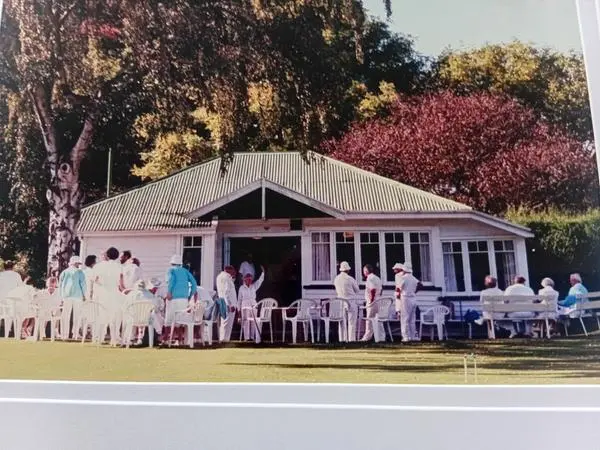
Fundraising continued with Bridge and Gala Days (which may have included games and various cakes) and bring and buy stalls. If you didn’t play Bridge you were on afternoon tea duty which had to include scones, sandwiches and at least one kind of cake. In the 1930s and 1940s the fundraising was for other cause. In 1931 they raised money for the Napier Mayor Earthquake Fund. During WW2 they raised money for minesweepers, aeroplane funds, war effort fund, mayors parcel fund. They also catered for the Welcome Club and contributed to St John’s and Red Cross. On the first Saturday of every month in 1944 each member contributed to the Patriotic Fund (a fund set up to provide assistance to the WW2 war effort). The members also made 15 tins of goods for all the sons of members serving overseas.
In 1946 Mrs Robinson suggested that male members should be admitted to the club. Not apparently a unanimous decision but in April Lieutenant Colonel W Beomish was accepted as a member and Mr Neutze joined in 1948.
The Club Trophy collection of cups were often presented by members or as a memorial for a former player. One being the Corrick Cup and now her Granddaughter is a member of the club. Twenty-five years ago the family of Muriel Foster presented two silver trays for a competition which the club used for Golf Croquet as it was becoming the game to play. In 1947 Mrs Nicholls gifted a smokers stand for use of all members (how times have changed).
When the Croquet Club began ground maintenance and lawns for all clubs in Elmwood Park was controlled by the city council. Parks in Christchurch city at this time all had their own manager living on site. (St James Park had a house beside the Croquet Lawn which is now the Children’s Playground). Mr Wylie was the Elmwood Park Manager he managed to upset the Elmwood Ladies. They sent a letter of complaint to the council about him using the zip in clubrooms to make his cup of tea. As a result, in 1985 the council provided electricity to the caretakers shed from our clubhouse. Council Maintenance ceased soon after this and now we are responsible for the maintenance of our clubrooms and lawns.
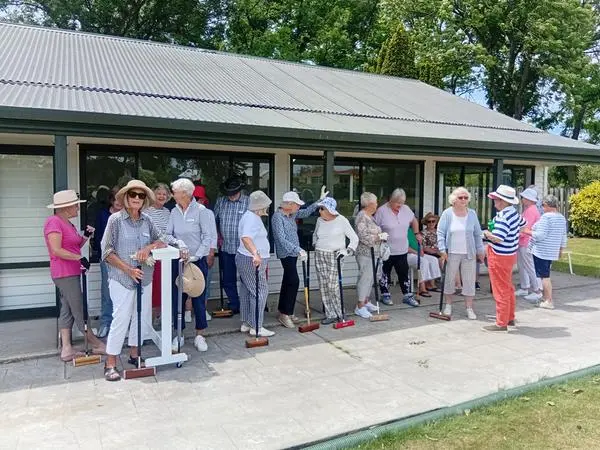
In October 1983 University of Canterbury Croquet Club, a group of professors and lecturers, played on our ground on Sunday afternoons from 4pm. They gradually become members of our clubs and other clubs. In later years Kit Kat Probus Club has had weekly use of our lawn.
During the 1990s major work programs commenced all of which kept the Bridge players busy. In 1991 a new irrigation system was installed and planning to replace the Pavilion started. The Pavilion needed repairs or replaced, kitchen facilities needed to be modernised and the current space was limited for seating and functions. Once again fundraising began, debentures from members, garage sales. Raffles and grants. The new Club Room was opened in 1996.
In 2000 the No 3 Lawn was extended to full size. The lawn was required to be full size as Canterbury & New Zealand Croquet Associations were hosting the MacRobertson Shield Tournament, a competition between UK, USA, Australia and New Zealand. Elmwood hosted the British team as a practice ground. The main matches were played at United Croquet Club. The MacRobertson Shield Tournament will be celebrated by us in our 100th year 2026. Jenny Clarke, Logan McCorkindale and ex Canterbury play Paddy Chapman are in the NZ team to compete in England.
In 2006 the Privet Hedge that surrounded the grounds was removed by members and replaced with new fencing. Unfortunately, we upset the neighbours across the stream as we were exposing their million-dollar houses, hence the compromise with the hedge at the back of Lawn 3.
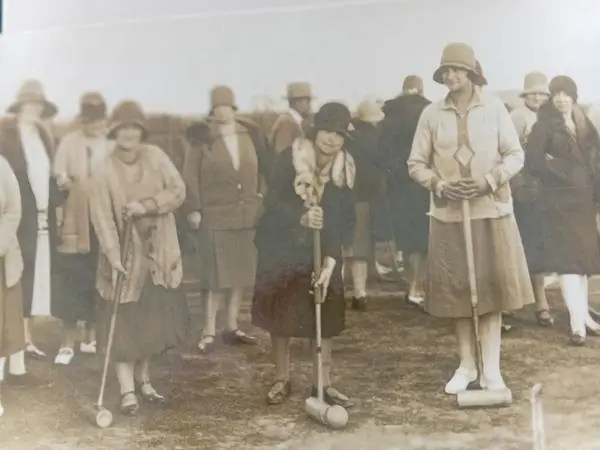
Over the last 30 years croquet has remained strong but things have changed. Less people are playing Association Croquet and Golf Croquet often played as a fun game was beginning to be more popular, especially with new players. Both games were played on separate day and then there was mixed play on Wednesday to maintain a combined Club group. Fundraising still continued with bridge and the addition of quiz nights, Mahjong and Corporate Functions. The popularity of Golf Croquet has saved many clubs and kept the game alive.
Golf Croquet however is not a new game, it is first recorded in the 1890s as Croquet Golf, more of a garden game. It was during the 1930s when the game was taken to Egypt by the British that it developed into a very competitive game. Croquet is said to have originated in France s a game called jeu de mail around the 11th century, it was modified in England by the 13th century. Modified again by the Scots into Golf and the Irish into Croquet. It was a sport in the 1900 Paris Olympics and one of the first female Olympians played Croquet for France, she was only one of 22 females at the games. This is the only time it has featured at the Olympics. It is not considered a spectator sport.
So now week look forward to our next 100 years but some things never change, many references to not reading notice boards, keeping the place tidy, fund raising always going on. Mahjong now rather than bridge. Cream Cakes and Paste sandwiches have disappeared off the menus. Unlawful use of shelters after hours for sleepover or other activities!!! Hoops used to be left out until they were thrown onto shelters. Had the police to remove all crockery and cutlery from the kitchen but their best advice was the small padlocks on the shed door to prevent it being opened after a burglary.
However, companionship, competition, fun, support and many good friendships continue in our club and the croquet world.