
PHOTO
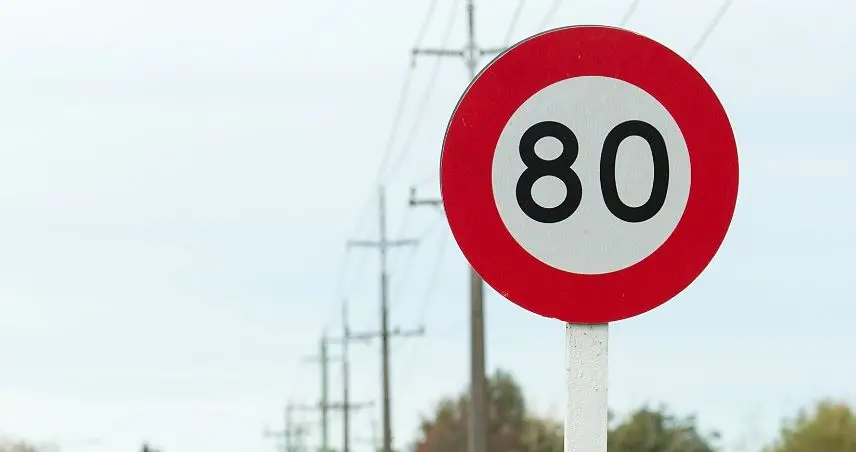
Proposals for speed limit reductions on State Highway 75 have been met with fierce resistance from some motorists on Banks Peninsula.
The new plans would see the 45km stretch of road between Halswell and Little River have an 80km/h speed limit imposed, reducing it from the current 100km/h.
Advocates for the reduction say the move would reduce the likelihood of crashes along the road and, when crashes did occur, the resulting injuries would likely be less serious and the number of deaths minimised.
The changes come as Waka Kotahi NZ Transport Agency continues its Road to Zero safety campaign, which aims to create environments where no one is killed or seriously injured on the country’s roads.
According to NZTA, Canterbury has the second highest rate of fatal crashes in the country, and SH75 was the route that carried the highest risk for accidents in the province.
In the past decade alone, there has been more than 700 crashes along the highway, resulting in nine deaths and 72 people suffering serious injuries, with the majority of these happening on the Halswell to Little River stretch.
However, the statistics have not stopped the uproar from some residents who believe the reduced speed limit will not prevent crashes or reduce the toll of dead and injured along the highway.
Little River resident and strong advocate for roading infrastructure upgrades and not speed limit downgrades, Vanessa Mitchell, said the consultation between NZTA and local residents’ groups has been almost non-existent. This had led to great frustration within the community.
“I think the whole thing has been a cop-out from NZTA,” she said.
“I think they have been ignoring our community. They have refused to meet our community groups to consult on the plans.”
“The consultations they did organise were so poorly advertised that hardly anyone knew it was on, and then they cancelled another one at the last minute when they learned of the feelings in the community and how many were planning to attend.”
Mitchell said her post on the matter to the community’s Facebook group had more than 400 comments, 95 per cent of which were against speed reductions and pro speed limit enforcement and roading upgrades.
“The state of the road and any maintenance of it has deteriorated completely,” she said.
“We’ve also asked for stronger police enforcement of the current speed limits but were told we are too remote to have regular patrols and our poor lack of mobile phone coverage means our roads can’t have cameras.”
Mitchell said the community would be willing to accept a 90km/h limit but anything lower would be dangerous.
“A 60-80km/h limit would just cause driver boredom and distraction, which is going to cause a lot more accidents.”
NZTA spokesperson Frances Adank said road users’ safety was paramount in the agency’s changes and a few minutes added to a journey could be an acceptable price to pay for the saving of life and limbs.
“Reductions in speed can make the difference between walking away from a crash or being stretchered away,” she said.
There was a similar controversy in late 2020 when speed reductions were proposed on SH6 between Nelson and Blenheim.
The initial proposal was to drop the 100km/h limit down to 80km/h, but after consultation and mitigation with the
NZTA and motorists, it was decided that variable speed restrictions of between 60km/h and 90km/h would be put in. Early results indicate a significant drop in the number of crashes on the highway in the first four months of the reductions being imposed. Figures obtained from NZTA show there were 28 crashes for the period December – March 2019/20, compared to 13 during the same period in 2020/21, a reduction of more than 50 per cent.
- By Andy Brew