
PHOTO
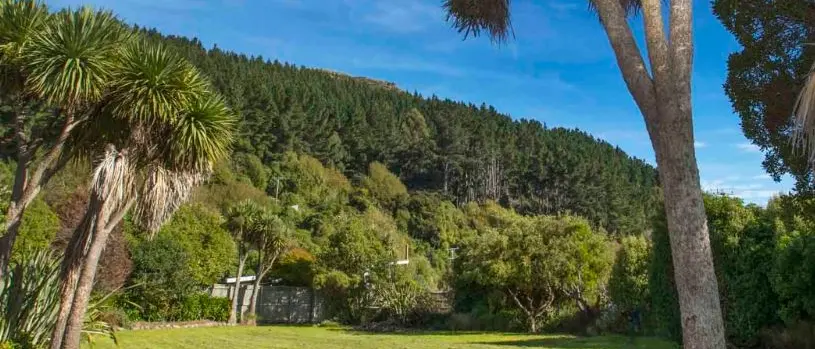
A hapū's century-long battle to get a Canterbury reserve officially recognised as a burial site has finally come to an end.
Te Kooti Whenua Māori (Māori Land Court) confirmed the reserve at Purau Bay on Banks Peninsula has been set aside as a reservation for the purposes of an urupā (burial ground) for Te Hapū o Ngāti Wheke.
It comes after Christchurch City Council handed back the reserve to iwi in January last year, following more than a century of talks between hapū and council.
Said Rāpaki kaumatua Donald Couch: “You get a bit exhausted and tired with what seems to be beating your head against a wall.
“But if you persist and you’ve got a good case you’ll probably get there and eventually we did so I’m pleased about that.”
He said it was a special day for the hapū to see the urupā finally recognised as such. It is Te Hapū o Ngāti Wheke’s fourth urupā.
At a Te Pātaka o Rākaihautū Banks Peninsula Community Board meeting in January last year, more than 96% of the 378 submissions heard were in favour of the proposed transfer, with 2.3% against and 1.1% unsure.
The community board’s decision was then approved by the city council and the Department of Conservation.
An application was then made to Te Kooti Whenua Māori to set aside the land as a reserve for the purposes of an urupā and to have the Rāpaki Māori Reservations Trustees appointed to administer the reserve.
“This court decision brings to a close the work done over the last 100 years by Rāpaki whānau and our whanaunga from around Te Pātaka o Rākaihautū and enables us to properly care for Nohomutu and all our tīpuna and their place of burial,” Couch said.
According to a city council report, the site was part of a larger nine acre block of land, established in 1870 as a Māori Reserve.
The land was sold into private ownership in 1914 and later subdivided in 1950.
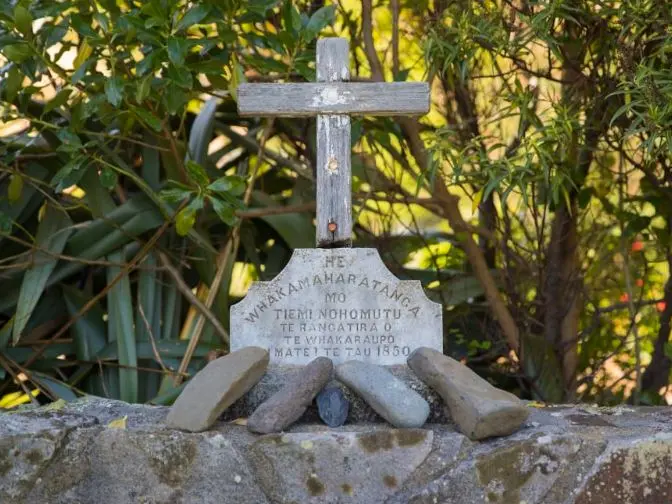
During the subdivision process, the urupā was not officially recognised, despite landowners’ desire for it to be.
Church Bay resident Sarah Pritchett said at the community board meeting in January 2025 that the loss of land to mana whenua stemmed from “dubious” government legislation at the time.
“It seems a very small thing to me to hand back this tiny piece of land, all that is left of a much larger piece of Māori reserve land,” Pritchett said.
“This is an example of a deliberate government policy to acquire Māori land for the benefit of Pākehā settlers.
“It is no accident the Pūrau Māori Reserve ended up being owned by private non-Māori owners.”
The reserve is a burial site for chief Tiemi Nohomutu, a Purau resident and leading Ngāi Tahu rangatira during the first decades of European settlement in Whakaraupō Lyttelton Harbour. His headstone can be seen at the site.
Oral history, historical land documents and geotechnical reports support the cultural significance of the reserve and show that it is likely to hold other burial sites within its boundaries or nearby.
Rāpaki trustees will now develop and implement a management plan to ensure appropriate protection and recognition of the site is put in place.