


The assurance came as coronial proceedings into the massacre on March 15 in 2019 resumed on Monday following a one- week recess.
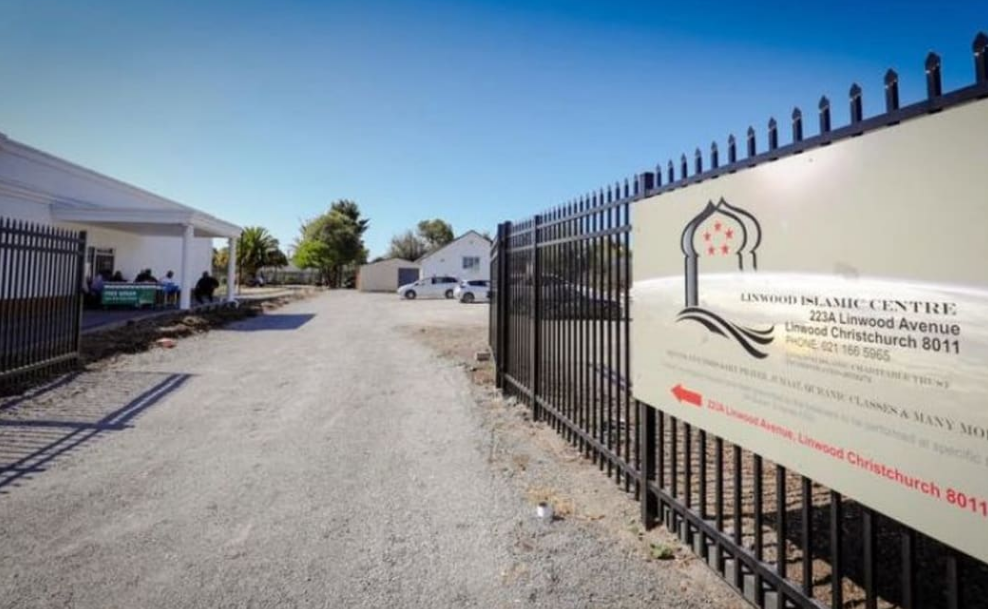
Fifty-one people died as a result of shootings at the Al Noor Mosque and Linwood Islamic Centre.
Senior Sergeant Roy Appley faced a thorough interrogation around the synergy between police and ambulance staff in responding to the attack at the Linwood Islamic Centre, where seven people were killed.
The officer co-ordinated liaisons from the police's Southern Communications Centre on the day of the attacks.
Counsel assisting the coroner David Boldt questioned him on issues including the forewarning police received at 1.40pm from a worker at Parliament.
The call was a result of an email that included the gunman's manifesto and intent.
Police communications categorised the call as a "priority two", meaning it was virtually lost as other calls about the attacks were classified as the more urgent P1.
"You would agree with other witnesses, that this was the priceless nugget of information that people were looking for, namely information from the attacker which may have indicated where he was going next?"
Appley admitted he did not know about the call until "recently" when he was preparing for the inquest.
A police dispatcher previously told the inquest she would have sent units to evacuate Linwood Islamic Centre immediately if she was aware of the threat.
Boldt asked Appley what he would have done had he known about the threat.
"How I risk managed the whole event, I would've likely caused some preventative action to have happened," he replied.
Appley was also asked why the missed parliamentary call was not discussed during police debriefs.
"I expect that the information wasn't raised because no response was given to it," he said.
"I can't recall whether anyone did raise it."
Boldt pointed out the fact there was no response was the heart of the problem.
"A debrief of this kind should focus on the things that you did do, and look at room for improvement but also things that perhaps should've been done but were not done."
Appley was later grilled as to why it took 24 minutes for ambulances to be dispatched to Linwood after he requested them at 2.02pm.
Appley said he "ensured" ambulances would be dispatched.
Boldt countered this that "hoped" was the applicable word.
"You hoped that one of your staff members would take that information, pass it to an equivalent person within St John, and [they] would dispatch ambulances...that's what you believed was happening?"
He replied: "I don't believe, I know it was happening, I ensured it was happening."
"Then why did no ambulances go to Linwood until [2.34pm] that afternoon?" Boldt asked.
The delay was believed to have been down to the safety of the scene at Linwood - something Appley did not know had been a factor.
He denied there had been a communication breakdown between police and ambulance staff.
"I'd be reluctant to say 'breakdown', because clearly I've given instruction for them to do something.
"They've heard it and they've responded, albeit some time later. But I don't think that's something I can comment on."
Appley will continue to give evidence on Tuesday.
'Nothing comparable' to mosque scene: doctor
The scene at the Linwood Islamic Centre following the Christchurch terror attacks was unlike anything he had been confronted by before, a community doctor who rushed to help wounded worshippers told the inquest.
Dr Graham Whitaker, a GP at a Linwood community health clinic near the mosque, was the first to give evidence on Monday morning.
He said he offered his help to police responding to the shooting.
First responders did a good job considering the unprecedented circumstances, Dr Whitaker said.
"I've been a doctor for 30 years - nothing is comparable to what it was like to be inside the mosque," he said.
"The emotional intensity, the pressure and the tension was off the scale. The individuals that were working with the person that I tried to assist with, I think, did a good job."
The inquest continues.


