
PHOTO
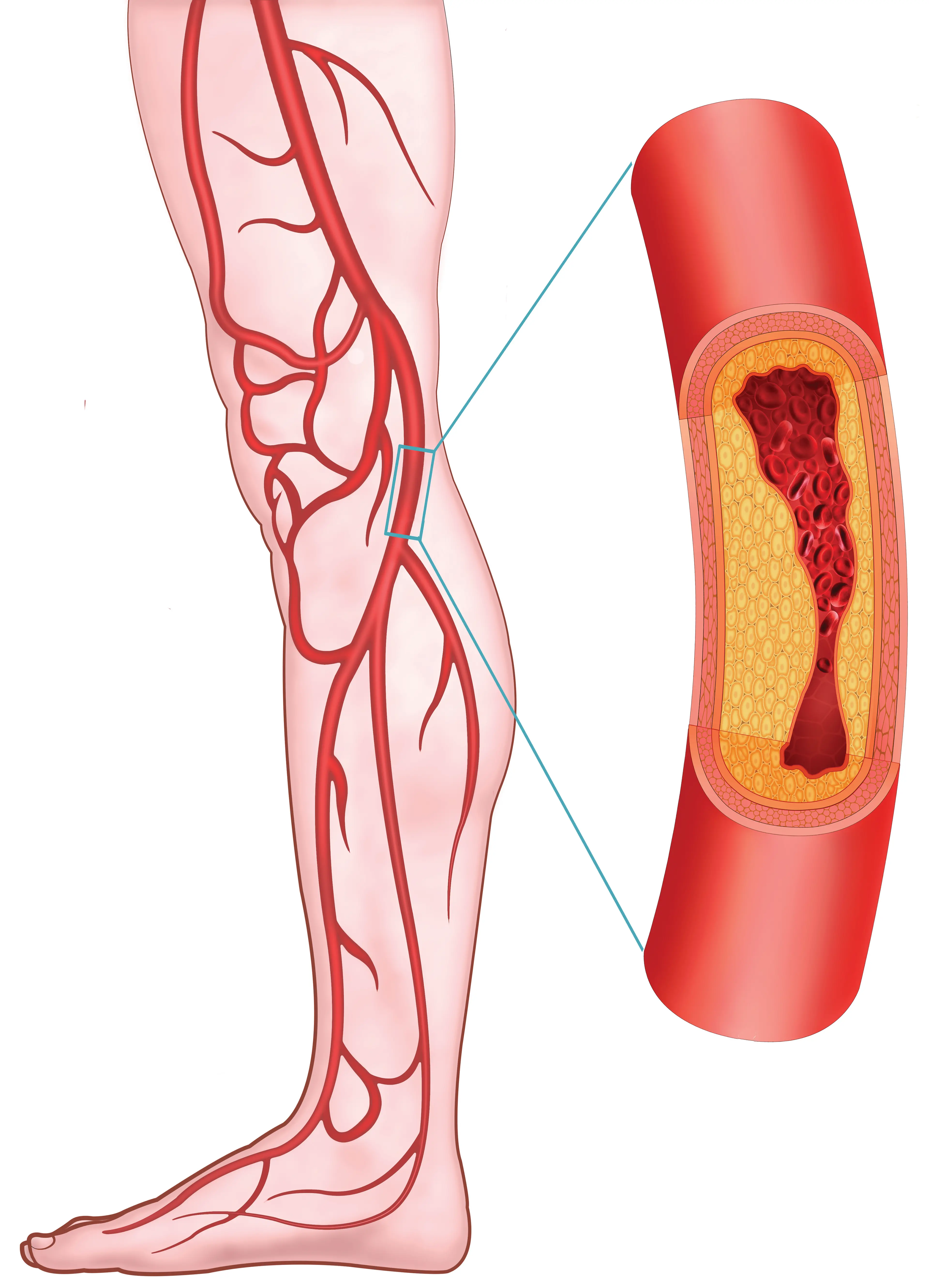
Peripheral Arterial Disease (PAD) is a condition in which plaque (atherosclerosis) gradually builds up in the arteries over time, resulting in reduced blood flow to the legs and arms. It is a common disease that affects people over the age of 50.
The plaque that builds up in your arteries consists of cholesterol, calcium, and fat. Risk factors include high blood pressure, high cholesterol, family history, obesity, end-stage renal disease, and lack of exercise. It is often associated with diabetes and smoking.
Symptoms occur when your legs don’t get enough blood flow which may include pain in the hips or legs while walking. With severe occlusions, pain in the legs may occur at rest.
Untreated, peripheral artery disease can lead to ulcers on the feet or toes. Eventually, amputation may be necessary if a patient develops gangrene.
Our society has trained technicians to perform a PAD screening on our MESI diagnostic machine. Physically, you need to be able to step up onto a bed. ABI/TBI measurements are fast, non-invasive and simple, but do put reasonable pressure on your arms/ankles/toes.
(ABI) Ankle-Brachial and (TBI) Toe Brachial Assessment checks for PAD, which may be useful for people who have leg pain while walking. The test can also be useful for people who have risk factors for PAD providing an indication of disease severity and the urgency of a possible GP or specialist referral.
Phone Diabetes Christchurch on
925-9972 for more information or to book. $50 members, $70 non-members.