PHOTO
A soggy spring put the dampener on early milk production targets after a wet winter at Lincoln University’s Dairy Farm.
The demonstration farm supported by the South Island Dairying Demonstration Centre (SIDDC) is a commercial operation pushing its financial and environmental performance for dairy farmers.
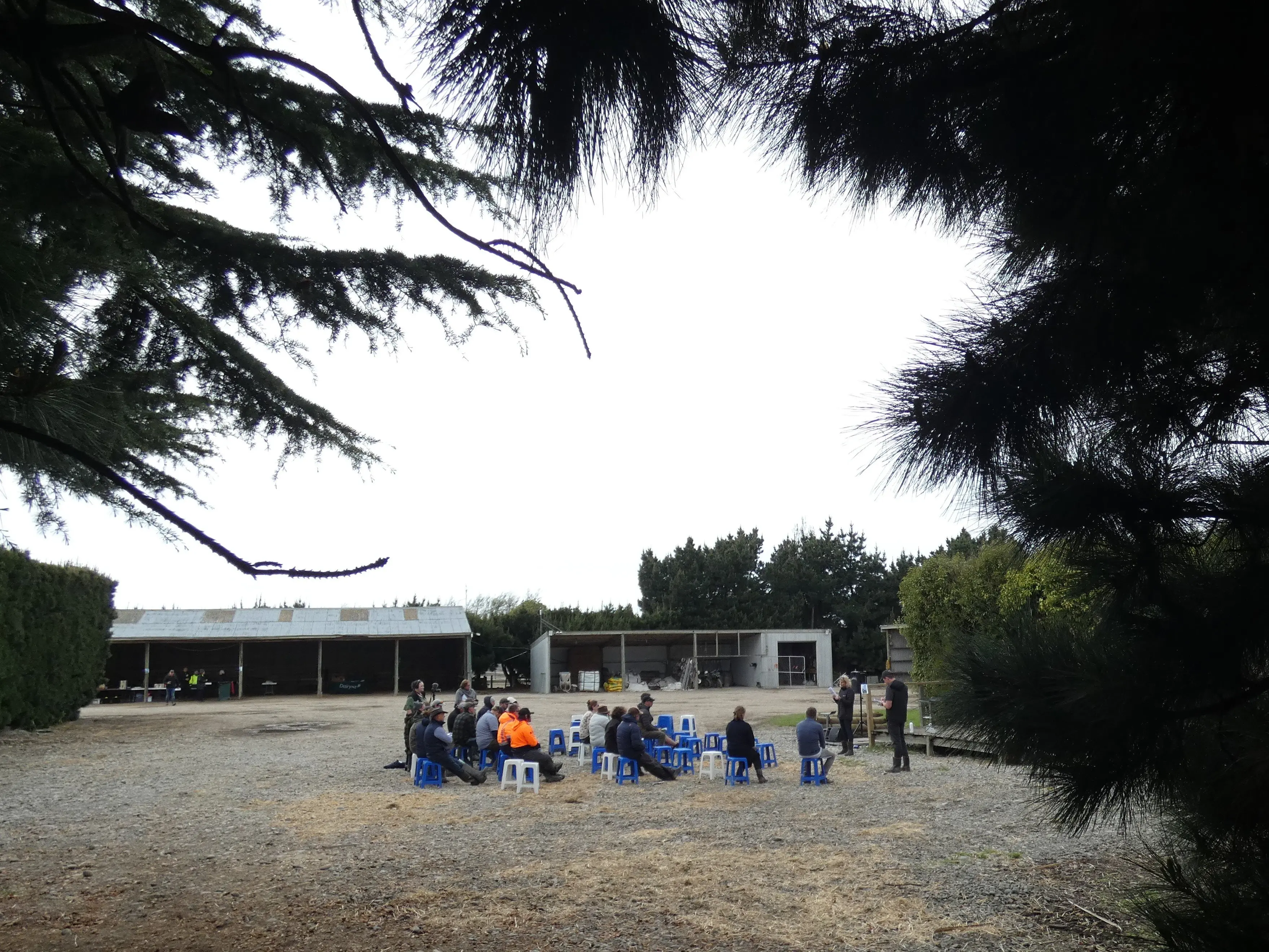
Dairy farmers were updated on the farm’s progress at a focus day attended by about 100 farmers and rural professionals on October 8.
The target from 3.5 cows per hectare is to produce 487 kilograms of milk solids for each animal — at 1660kg/ha or a total of 265,633kg — for the 2025-26 season under a tight cost budget of $5.50/kg and at 190kg of nitrogen per hectare.
By the focus day, the 42,323kg of milk produced was down 4.2% on the same time last season and the farm team has been feeding extra silage to boost the herd’s diet. Milk flows had since improved.
At that stage each cow was producing 2.16kg a day, while the target of 560 cows at peak milking was back by 10 cows.
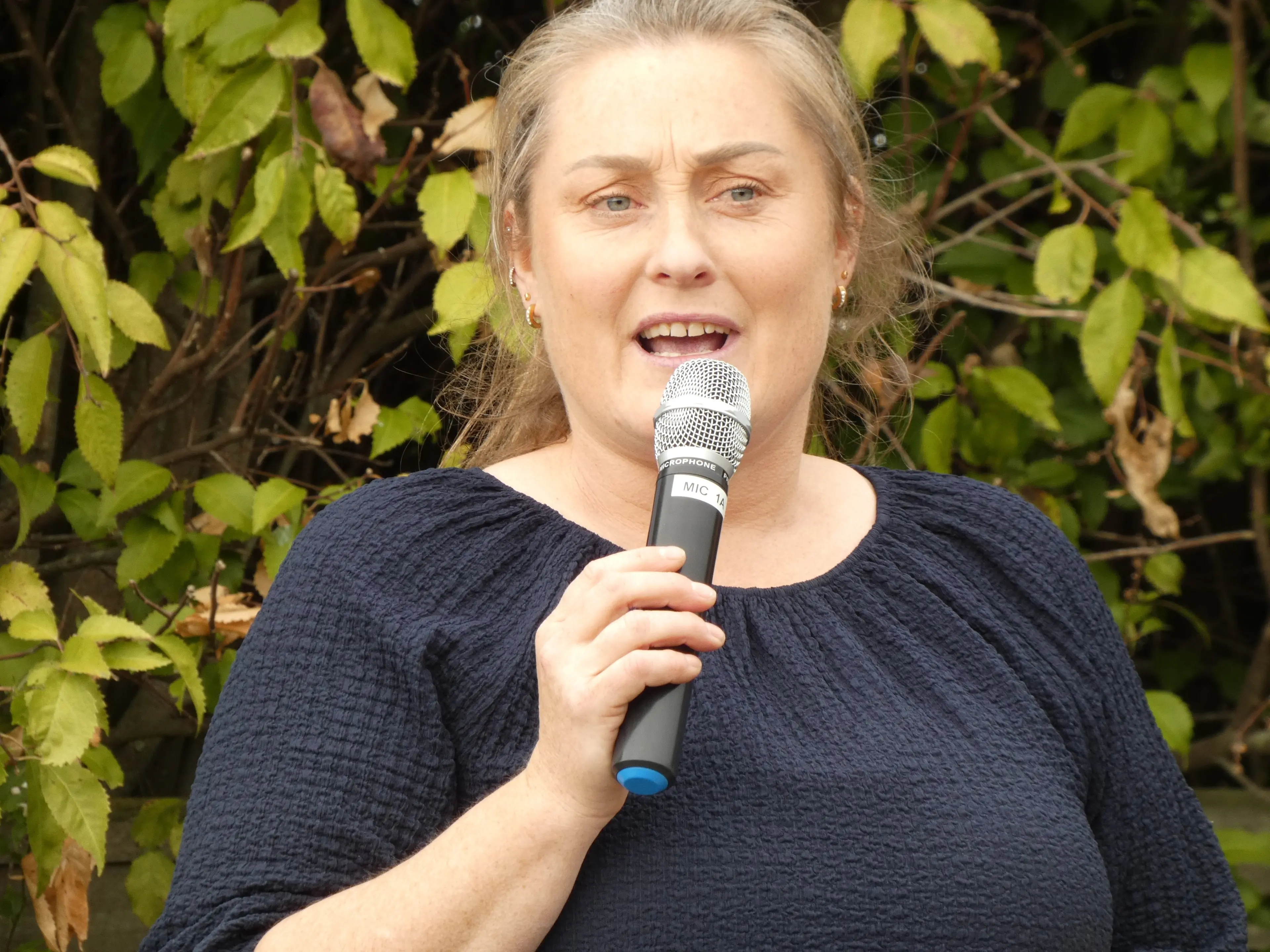
SIDDC demonstration lead Antoinette Archer said grass growth was behind in a challenging start to the season after a wet August followed by a wet spring.
"We have seen lower soil temperatures for a bit longer and just hit 10 degrees for an average [over the first week of the month] and we are hoping we will kick off, but this cloudy weather definitely doesn’t help. So we are not far away, but we are not there yet."
LUDF had 890mm of rain by the end of August — well above 660mm in a typical year.
She said the team had to manage wet areas — particularly the south block — to avoid pasture damage over spring.
At that stage the average pasture cover was 2250kg of dry matter per hectare at 55kg grown a day when the demand was 67kg-71kg. Two paddocks dropped out were being cultivated, lifting the stocking rate to 3.7 cows per hectare.
Ms Archer said they were hoping to grow 65kg-plus, but wanted to get on with regrassing because later feed would be needed when the cows were in a low conception rate between week 5 and week 7.
She said more silage had been fed out than expected as a result at 314kg per cow — 70% of the 450kg target.
"That just shows you the challenge of a wet spring."
Ms Archer said milk production was also down from less pasture growth, while the calving rate was slower as a result of last season’s mating.
The nearly 2.2kg of milk solids collected per cow daily to early October was at the cost of added supplementary feeding.
Body condition scores were a bit lower when the cows were dried off at the end of last season and this will be a focus this year.
Cow numbers were down slightly from "pushing the barrow" on the replacement rate and a below target mating performance so calves were bought to make up numbers, she said.
Three cow deaths from a transporting incident among 11 deaths.
The demonstration farm was moving this season from 10 milkings in seven days to a hybrid milking model.
Milk productivity was expected to increase, as long as the weather co-operated.
Ms Archer said SIDDC continued to test, stress and adapt the dairying system on the farm for the betterment of the wider industry.
"That’s really our mindset — to adopt, learn, adapt and extend using the fail-fast and agile mindset towards change ... We want to get the basics right, report efficiently and become a highly efficient and profitable dairy farm."
Lincoln University has tightened animal welfare further despite being cleared by the Ministry for Primary Industries after a complaint by animal rights group Safe about animal welfare concerns on the farm’s east block.