Representatives from Jolt Dance company were due to showcase their work at performance art theatre Lyric Hammersmith in London during May but it was cancelled due to Covid-19.
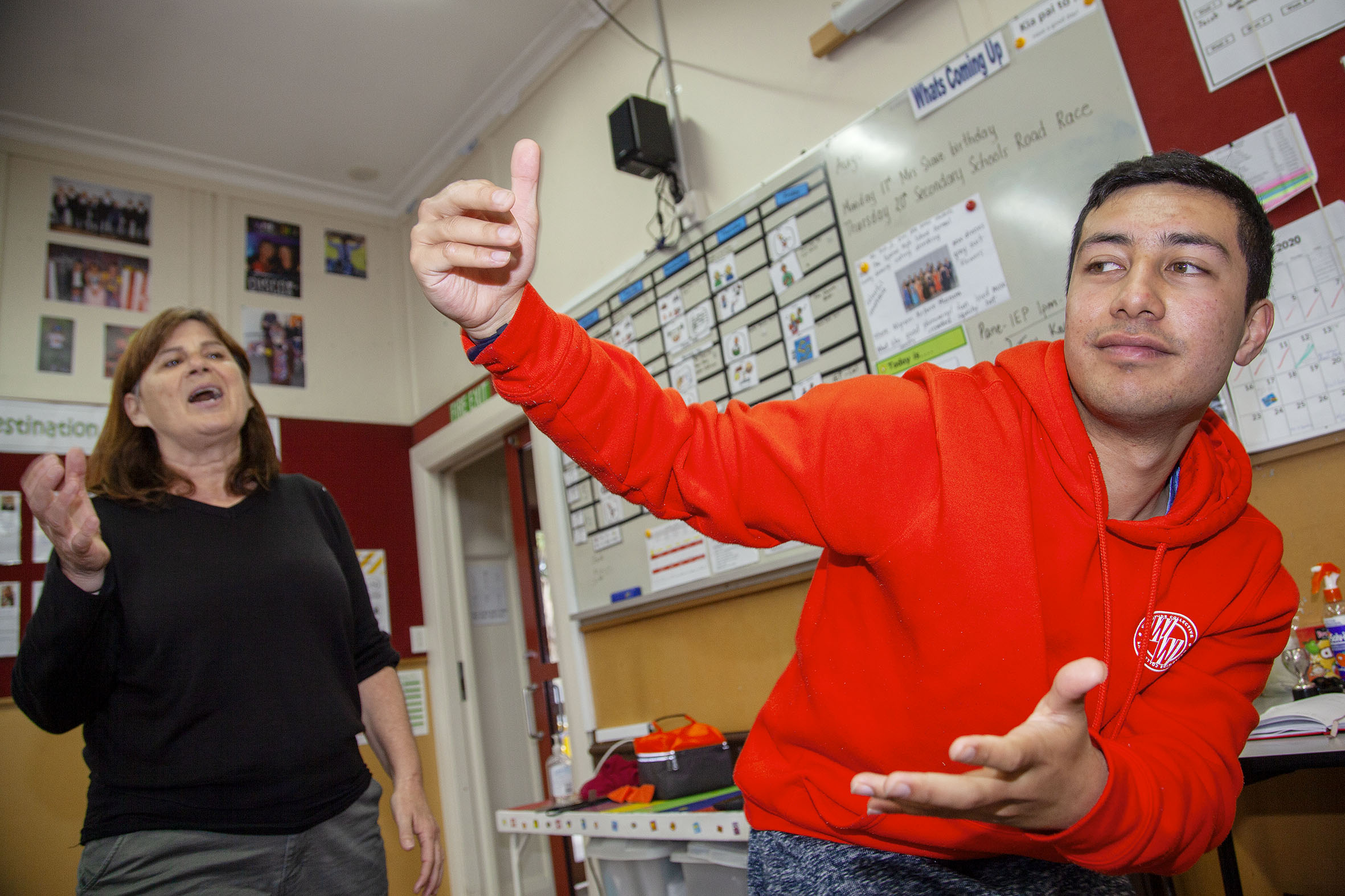
Jolt founder Lyn Cotton is feeling optimistic in spite of the growing uncertainty in the coming months.
“We’re looking at it positively and view it as a postponement, we still want to show London what New Zealand is capable of,” she said.
“We’re not angry about it, this is a time of patience and reflection and it’s given us an opportunity to look at the work again in more depth.
”Including Cotton, Jolt dancers and tutors Carl Huia, Aleasha Seaward, Rochelle Waters and Renee Ryan were meant to spend a week in London to take part in Amici Dance Theatre Company’s 40th-anniversary celebrations and raised $10,000 to do so.
Amici is also an inclusive dance company and invited the team to present two original works, discuss their achievements and host teaching sessions.
They Call Me Sam is a short film that chronicled life with down syndrome and challenges attitudes about having a disability.
Takiwatanga is a performance which is shaped by Huia’s Māori culture and his lived experience of autism.
The word “takiwatanga” is used to describe autism and means “in his or her own time and space.”
Cotton met Amici founder Wolfgang Strange in 1995, and after spending a few years under his wing, she was inspired to open her own dance studio with a similar concept of breaking barriers within the disability community.
“Wolfgang was my teacher for three years, and when I came back to NZ I set up my own Jolt classes and it grew from there,” she said.
“We take what the dancers give us which shapes our work – it’s not just about participation, it’s about excellence and for people with disabilities to have their voices heard.”
Not only do they offer dance classes, teaching and choreography training was also available which leads to industry level pathways through performance and leadership.
Jolt’s “Move” programme is the country’s only teacher training programme for people with disabilities, taking their work into mainstream schools to teach non-disabled children.
Said Cotton: “All peer pressure starts to drop away when they come together and dance. It’s okay to be different.
“The bar was set low for what people with disabilities can achieve, and now they’re playing catch up because they’ve been denied that opportunity for so long.”
Jolt Dance celebrates their 20th anniversary next year and has since grown to more than 150 dancers.
They will plan to showcase their original works in Christchurch in October.