

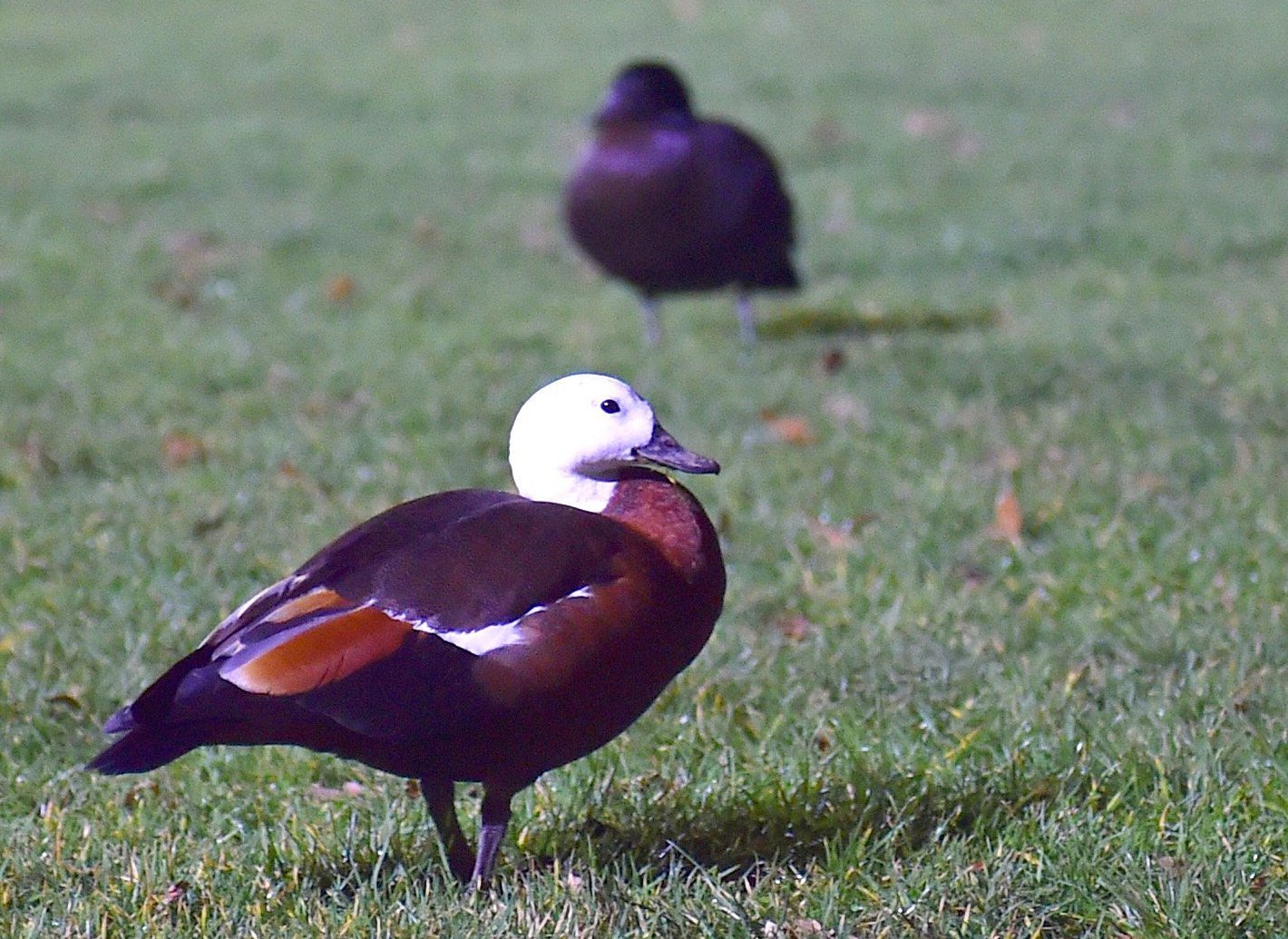
Otago Fish & Game officer Mason Court said a "special season" between March 7 and 15, follows a 35-year-high trend count of paradise shelducks during annual monitoring by Fish & Game at moult sites across Otago.
About 26,600 paradise shelducks were counted on wetlands, ponds and lakes around the region in late January.
"The March special season is a chance to harvest some wild kai and to encourage junior and new shooters to hone their skills before the regular season starts in May, as paradise shelducks can be easier to hunt than other game birds."
After moulting, paradise shelducks feed heavily once they can fly again.
The nine-day season also helps to disperse large flocks and lessen their impact on rural crops, Mr Court said.
Any farmers with issues of game waterfowl affecting their crops were encouraged to contact their local Fish & Game office, Mr Court said.
For the March special season, shooters can use their 2025 game bird whole season licence or can buy a daily licence from the Fish & Game website.
Special season shooting for paradise shelduck generally takes place over decoys in paddocks.
The season is open to licensed hunters of all ages.
"Check the regulations for conditions around the special season, including bag limits and where you can hunt," Mr Court said.
Shooting is not permitted within 200m of open water during the nine-day season. All other game bird species remain protected during the special season.
"Shooting game birds on private land requires permission, but this often can be obtained as simply as a knock on a farmer’s door and a polite request."
Each January, Otago Fish & Game staff use low-flying light aircraft to count paradise shelduck and black swans over a set number of 95 moult sites where birds had congregated around the region.
If flocks were too large to accurately count from the air, then photos were taken and analysed using software.
Some locations with restricted air space were counted from the ground. — Allied Media