

Betta Bees Research, based in the Invermay Agricultural Centre, were selecting the best of the best queen bees for artificial insemination to provide New Zealand beekeepers with gentle, quiet bees to work with.
Co-owner Robert Waddell said it was estimated that 30% to 35% of commercially kept bees across New Zealand were influenced by their breeding programme.
"We have quite a large genetic footprint in the country," he said.
Betta Bees use an Italian breed of bee known for their calm nature.
Mr Waddell said they were looking at docility, productivity, spring build-up, brood viability and many other positive traits — there were 95 different queen bees at their yard they got to choose from.
The purpose of the programme was to produce bees that beekeepers would not be hesitant to work with.
"Primarily bees that are gentle are easier to inspect ... so workers in the commercial sector can do a better job of inspecting and looking for disease.
"A gentle hive is a healthier hive."
Mr Waddell said bees could get "really quite rough" when left to naturally mate in the wild, and their programme curtailed the genetic inheritance of aggressive traits.
"Aggressive traits tend to dominate in the wild colonies — and beekeeping in New Zealand is a huge industry ... commercial operators want a bee they can handle and inspect properly."
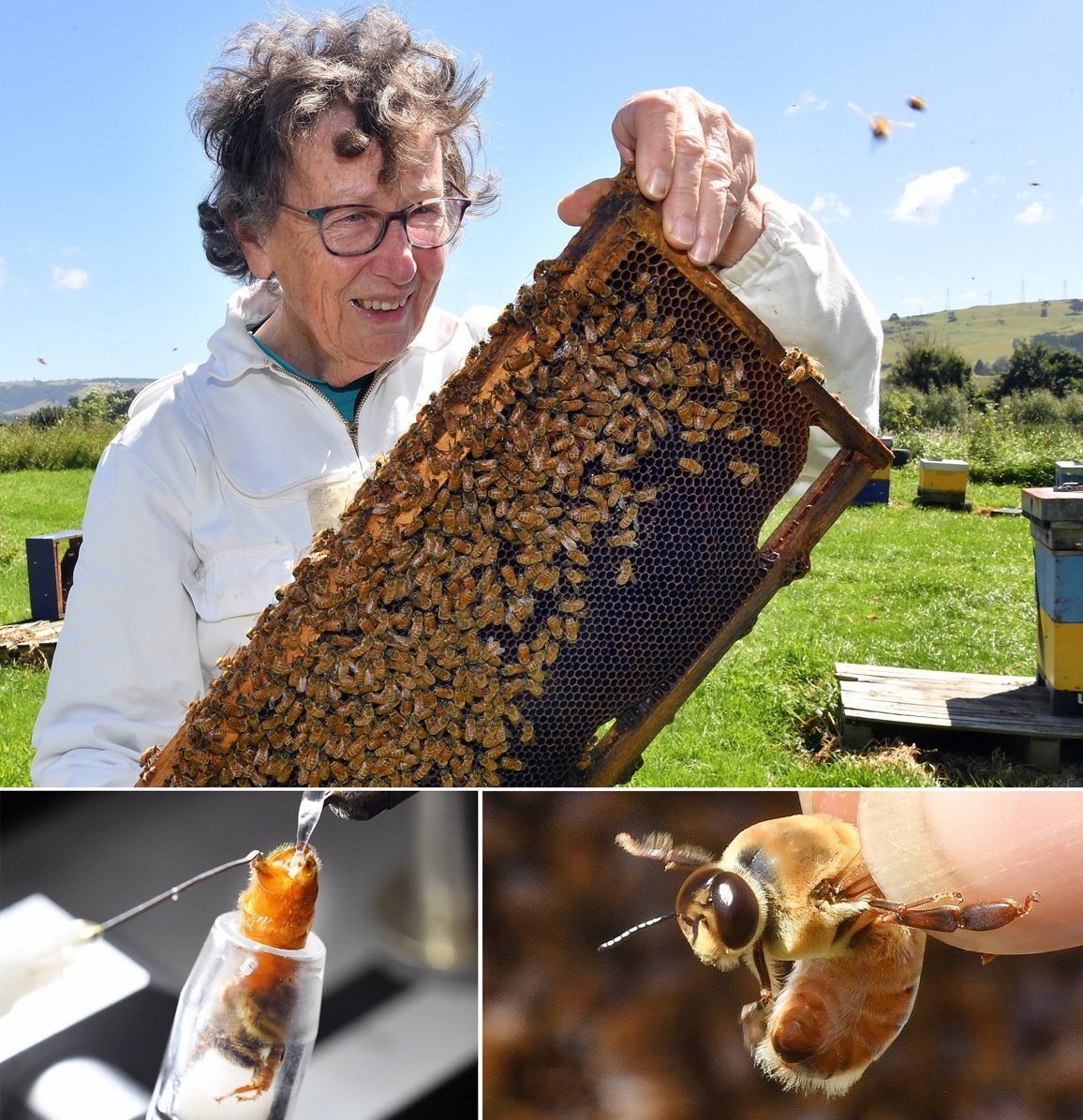
The queen bees who showed the strongest ideal traits would then be narrowed down to a top 20 — they would be the ladies artificially inseminated, Mr Waddell explained.
"We’re raising virgin daughters and we’re crossing them with semen from the drones of those same colonies — but we have to crush the drone."
The drone is picked, crushed, and his semen extracted.
The chosen queen is then anaesthetised for about two minutes, and with a fine glass tip under a microscope the semen is introduced to her ovarian ducts.


