PHOTO
A South Otago dairy farmer believes converting to organic will simplify his farm system, reduce costs and increase profit.
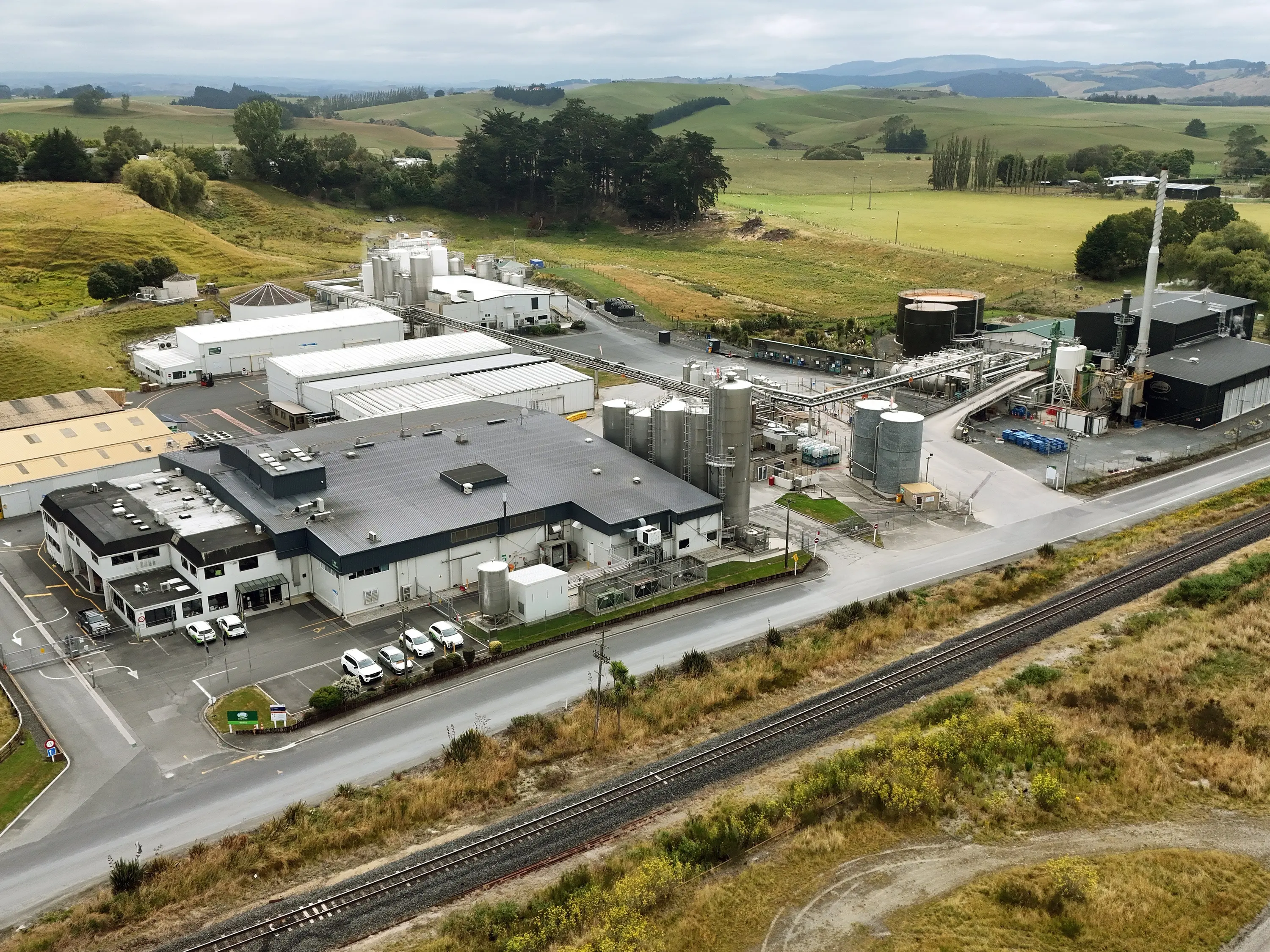
Fonterra is progressing the expansion of its organic business following a successful recruitment drive of southern dairy farmers.
In a statement, chief executive Richard Allen said there had been strong interest from South Island farmers wanting to join its organic programme.
Fonterra had reached the volume of milk required to deliver the operational efficiencies needed to proceed with the expansion.
In January, Fonterra Farm Source group director Anne Douglas called for expressions of interest from dairy farmers "in Southland and up to Canterbury".
The recruitment drive was targeting either organic dairy farmers wanting to switch to supplying Fonterra or those interested in converting their dairy farm to gain organic certification.
The co-operative planned to process organic dairy products at its Stirling site, near Balclutha, from the 2028-29 season, Ms Douglas said.
Mr Allen said global demand was growing, as consumers were prepared to pay a premium for organic products.
The forecast organic milk price range for this season and the next had a record midpoint of $14 per kg of milksolids, which showed how much customers valued Fonterra farmers’ organic milk.
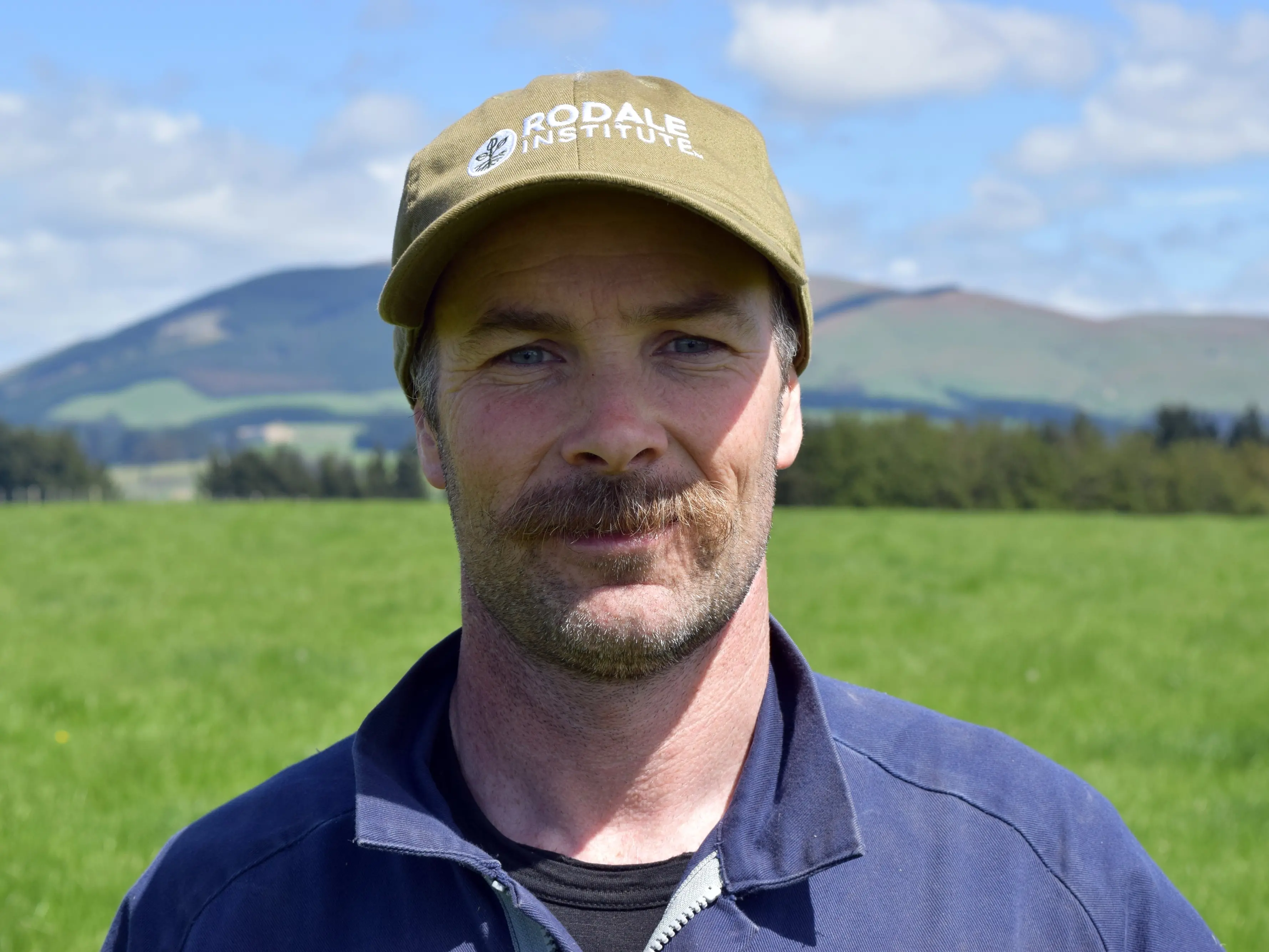
Dairy farmer Mark Anderson and his family have been supplying Fonterra since converting their sheep, beef and flower property Westridge Farm in Waiwera South in 1995.
Mr Anderson said he was very excited and up for the challenge of converting to organic to supply the Fonterra Stirling plant.
As an incentive, Fonterra was paying dairy farmers a bonus per kg of milk solid when converting to organic, Mr Anderson said.
Farmers would then be paid more premiums as they got certification to supply organic milk for export to certain markets.
He expected more dairy farmers would take notice of the premiums and consider converting.
He believed the $14 midpoint price would remain steady.
Consumer demand was rising for high-quality protein without genetic engineering.
A conversion to organics matched the direction the Westridge Farm system was already heading.
The change in direction began a decade ago, spurred by rising prices of farm inputs, such as agrichemicals, synthetic fertilisers and diesel.
Farm input prices had been rising faster than the conventional milk price, he said.
So they began working to remove non-renewable inputs from the system and move towards a self-contained system featuring on-farm composting and deep-rooted pasture species.
The move reduced the impact of geopolitics, including the war in the Middle East, which increased prices for fuel and fertiliser.
Some of the biggest changes required for organic certification on Westridge Farm include the removal of conventional mastitis treatment antibiotics and conventional calf drenches and vaccines.
Natural alternatives were available, Mr Anderson said.
Animal welfare was always a priority and if an animal needed to be treated with antibiotics, it would be sold once fit and healthy.
An organic farm had a quarantine area in the system to allow this to happen.
Once organic, herbicides would no longer be able to used to control weeds, such as gorse and broom.
"The plants are becoming resistant to a lot of these agrichemicals anyway, so we’re happy to move on from that."
On Westridge Farm in 2019, 900 cows were milked, a lot of inputs were bought and a lot of crops were grown.
Now they milk about 550 cows in a self-contained, self-sufficient system, on the same milking platform.
Production per cow increased as the farm system became more "in tune" to its biological carrying capacity, while input costs from synthetic fertilisers, agrichemicals and antibiotics were removed, increasing profit and producing a premium product.
The system change involved the removal of an in-shed grain feeding system and a urea silo.
"We were the first farm in the district to be putting super phosphate on in the 1950s with a Tiger Moth and we were probably the first farm to stop using superphosphate. We try and continue to learn as we go."
Fonterra Organics general manager Andrew Henderson said the co-operative looked forward to supporting the farmers who had signed up including those who were now converting their farm systems.
"There’s still room to expand our organic programme and we’re welcoming conversations with farmers in both the North and South Islands about what converting to organics might look like for their business."