PHOTO
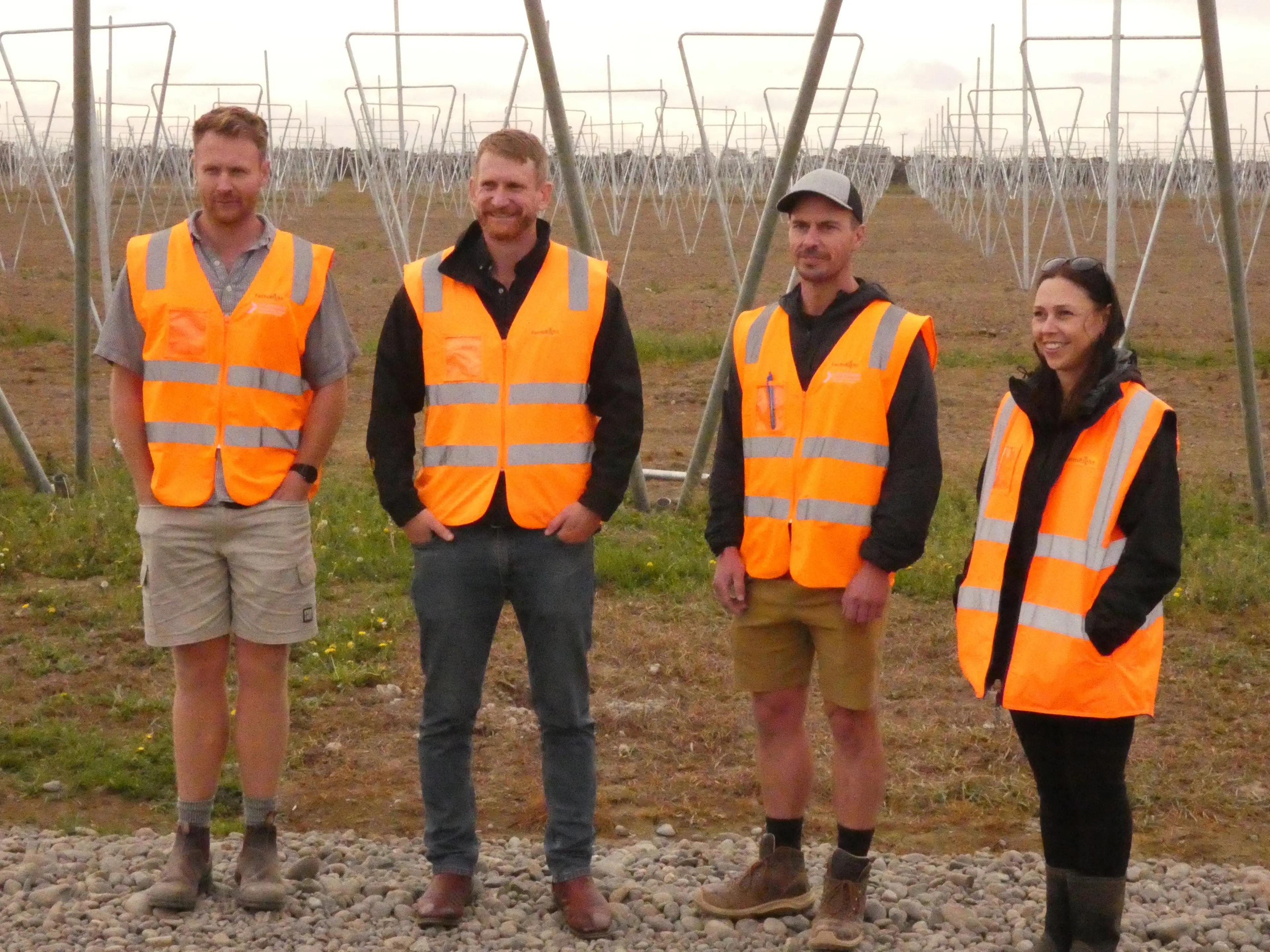
A vast apple orchard being developed by the NZ Super Fund over 250 hectares at a cost of $120 million is employing hundreds of workers in Mid-Canterbury.
Managed by FarmRight, the property near Pendarves used to be a dairy farm running 1200 cows and is being split into an orchard and 165ha to continue as a 600-cow dairy operation on coastal land.
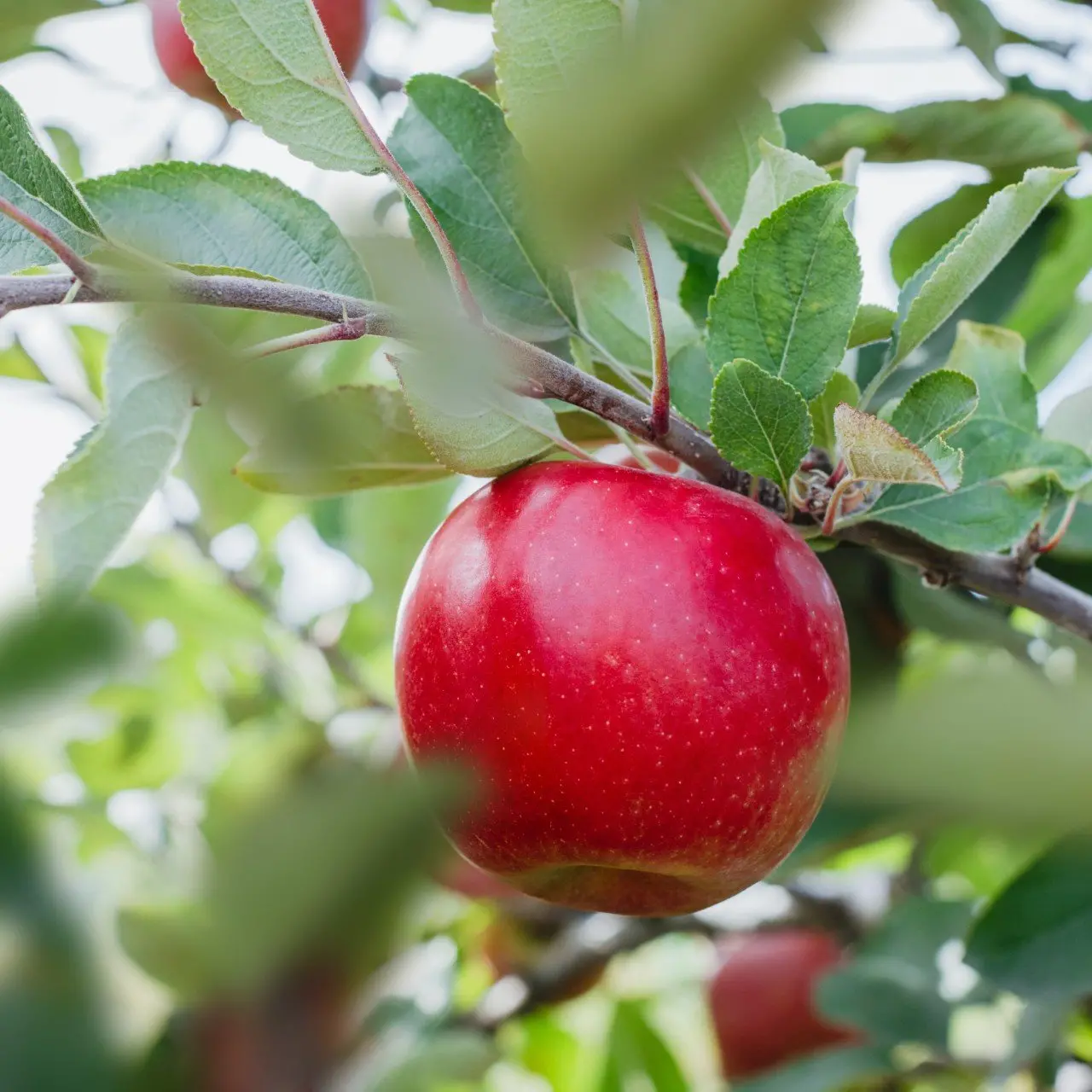
Orchard planting began a year ago with 125ha to go in Rockit apples and a similar-sized block in the new Joli variety, both under a growing licence, at Tōrea Orchard with more than 95% of the fresh fruit to be exported.
About 900,000 trees are being grown on V-shaped steel trellis systems supported by 12,000km of wire.
The first crop is expected in 2028 with full commercial production to yield about 116 million apples a year.
A full-time team of 85 staff is likely to expand to 700 to 800 workers during the eight-week harvest.
The farm was bought by the fund nearly two years ago with conversion costs at $350,000 to $400,000 a hectare.
FarmRight’s NZSF rural portfolio general manager Ed Tapp said "up-front" capital was being invested to achieve high value and high quality fruit.
"Our return we are expecting off this is between 12% to 14% [over the next 10 years] and it will take some work to get there. With this infrastructure and high value varieties we are probably targeting the top 5% of apple growers."
Canterbury was selected to add another location to the fund’s horticulture base to diversify climate risk and varieties from a large Envy planting.
"We ended up with this property not because we wanted to convert a dairy farm, but we wanted the best land to convert to an orchard. We were looking for a property that had good growing degree days, a lower frost risk we get with the location to the sea which is not a kilometre away and the reliability of water and quality soil."
The eventual 600-cow farm next season would be an economic operation with surplus cows going to another 10 dairy farms owned by the fund in Canterbury.
Mr Tapp said technology was changing quickly and the trellised growing system would future-proof the orchard as it was suited to robotics and machinery.
"The key one for us is the structure is simple and there will always be a requirement for people, so being able to easily train them very early on is an important part to it."
The trellis structure creates a "wall of apples" yielding more fruit of consistent size and quality as trees rows running north to south were exposed to light.
Hail is expected every second year with nets based on a catch and release system to prevent ripping as well as retaining moisture and avoiding sun damage in the summer peak.
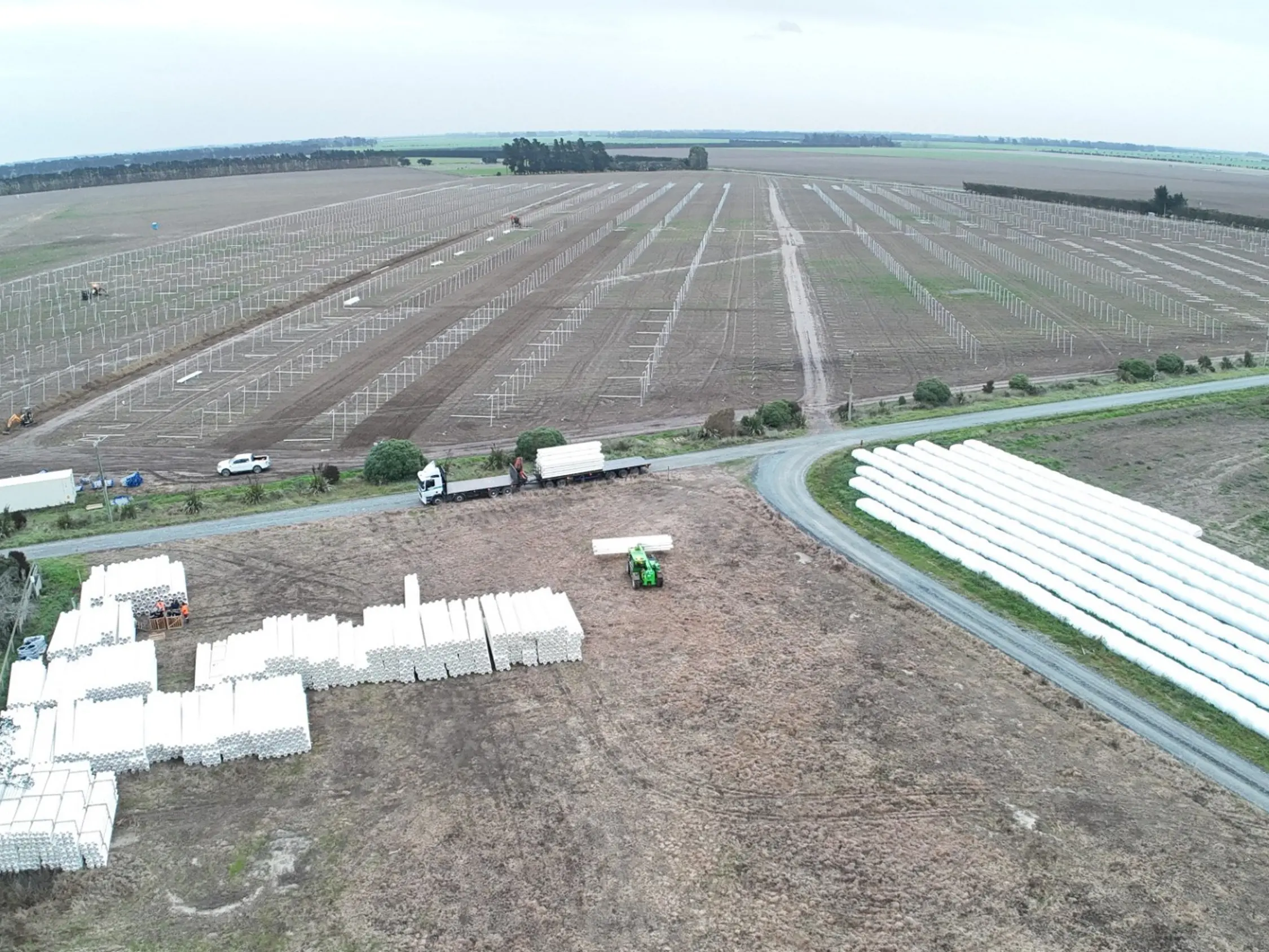
About 27,000 V-shaped frames were put up for the first 150ha with trees split in different directions to provide more cropping per hectare.
This has allowed planting of 3700 trees/ha and full production earlier, compared with traditional 700 trees/ha.
For the next 100 hectares to be planted, trees will arrive in 80 truck and trailer units.
Mr Tapp said the consenting system to change water use for horticulture was costly and lengthy despite using less water and nitrogen.
Smaller-sized Rockit apples are sold in tubes and containers mainly to China.
After winter, Tōrea Orchard will have "by far" the largest area of Joli — a big, red apple suited for the Asian gift market and designed for sharing.
Parts of the Rockit business have run into financial trouble lately and the super fund was tracking its strategy to get back on track.
Mr Tapp said the licensing of varieties under Rockit, and Joli apples by T&G Global, controlled the growing area to match supply with demand as the worst scenario was for a flooded market before it was ready.
"This will be controlled and that is what we like as we have exposure to grapes in Marlborough and this year we dumped a fair chunk of our fruit because the market was over-supplied."
He said Rockit prices were struggling at the moment, but more market and climate volatility in apples was expected, than dairy.
This was why so much capital was being invested in the orchard with the highest quality and highest returning fruit.
FarmRight has managed the super fund’s $1 billion investment in dairy, kiwifruit, grapes, apples and hops operations since 2010.
About half of this was in dairy and the other half in horticulture with a total of 530ha in apples in Hawke’s Bay, Nelson and Canterbury when Tōrea Orchard is completed.
At this stage, the plan is to send the apples to Nelson for grading and exporting.
Accommodation for 100 workers is being built on site and another 200 beds in Rakaia or Ashburton for pickers and pruners likely under the RSE scheme, backpackers, locals and workers shared by other growers.
Recruitment is expected to be the main challenge to be managed.