


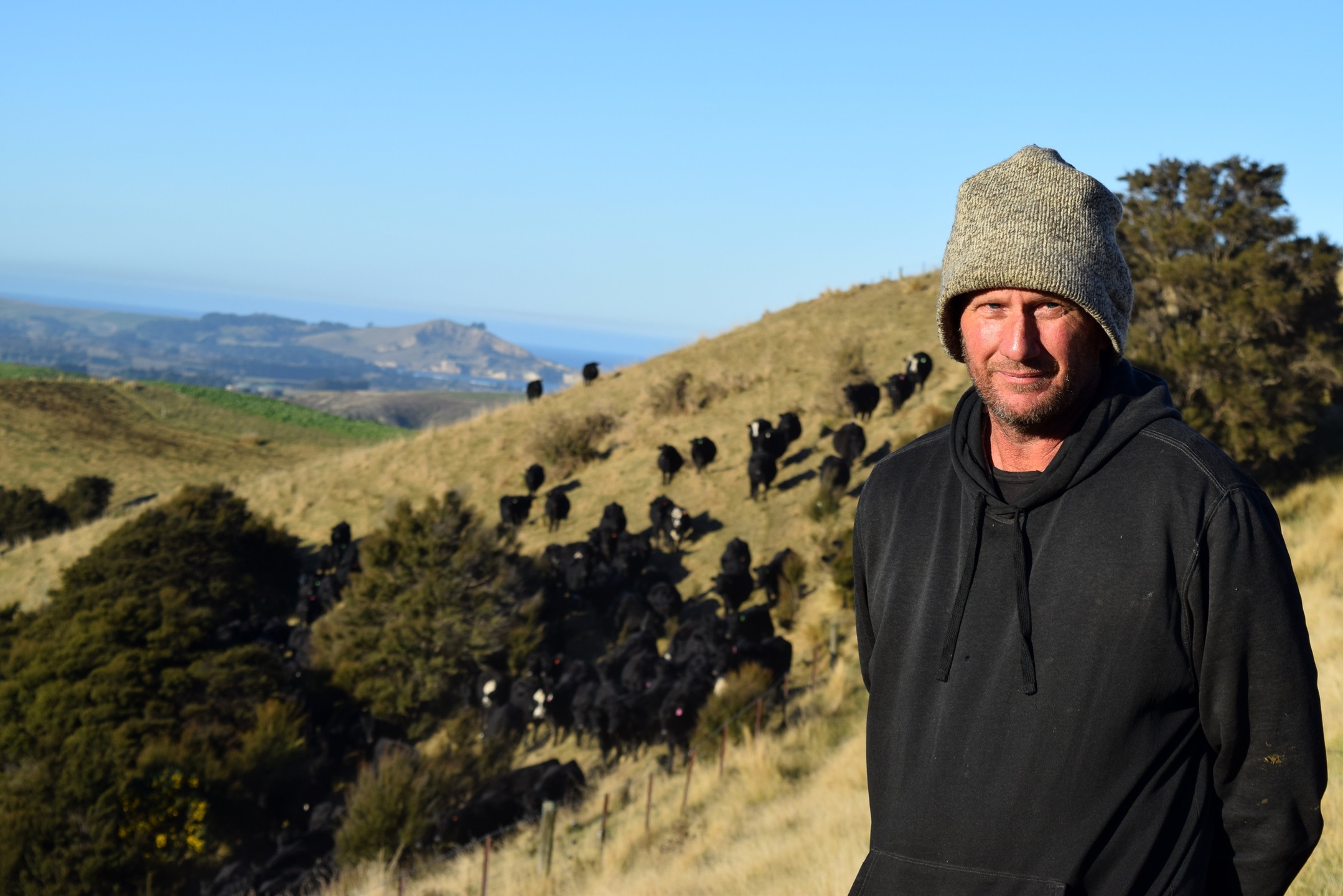
It is an exciting new journey we are on," Otago sheep and beef farmer John Fitzgerald says.
The 4 Rivers Farming general manager runs crossbred sheep and Angus cattle across five properties in Otago.
Three of the farms lie in Waikouaiti — 4200ha Kiatoa, 3500ha Blucher and the 550ha Home.
The Waikouaiti farms were used mostly for breeding livestock and were prone to East Coast dryness", the terrain ranging between 10m and 800m above sea level.
We have a real range of country from easy, rolling stuff to tussock and schist."
The other two farms — 2700ha Taieri Lakes Station in Middlemarch and 650ha property Akatore in Taieri Mouth — were used to finish livestock.
The total area of the five properties was more than 11,500ha.
One of our strengths is the massive scale."
Across the farms they run about 14,500 ewes, about 4000 replacement ewe lambs and about 5000 trading lambs.
Beef cattle consists of about 500 R2 steers, about 350 R2 heifers, about 1200 steer and heifer calves, 1050 mixed-age beef cows and about 50 bulls.
They also winter about 1000 dairy cows.
When they approached agritech company Halter for a quote to get smart cow collars last last year, he was told a system to cover the three Waikouaiti properties would require 38 towers to connect GPS-enabled collars to a Halter smartphone app.
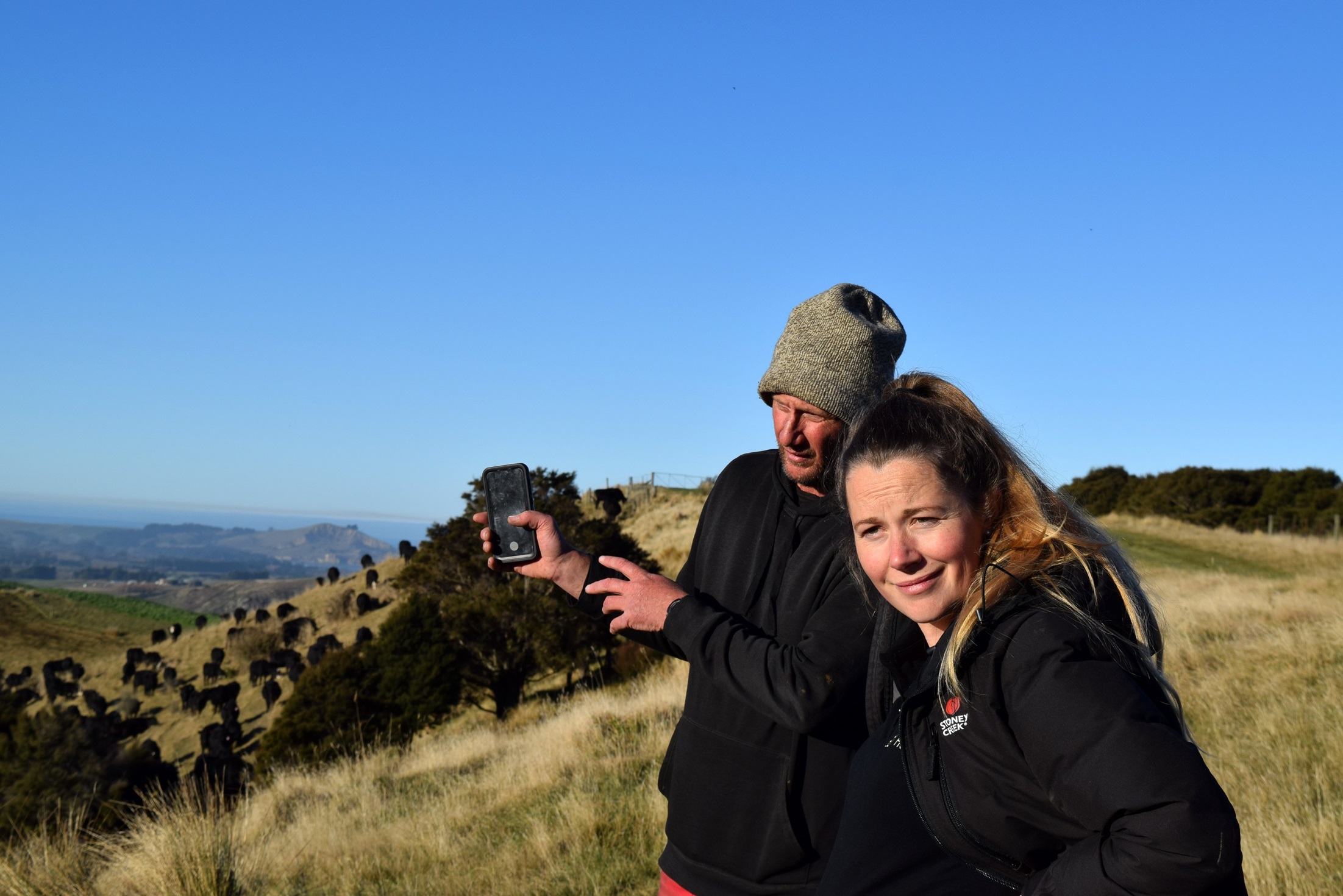
Then early this year, Halter called with an option for direct-to-satellite connectivity.
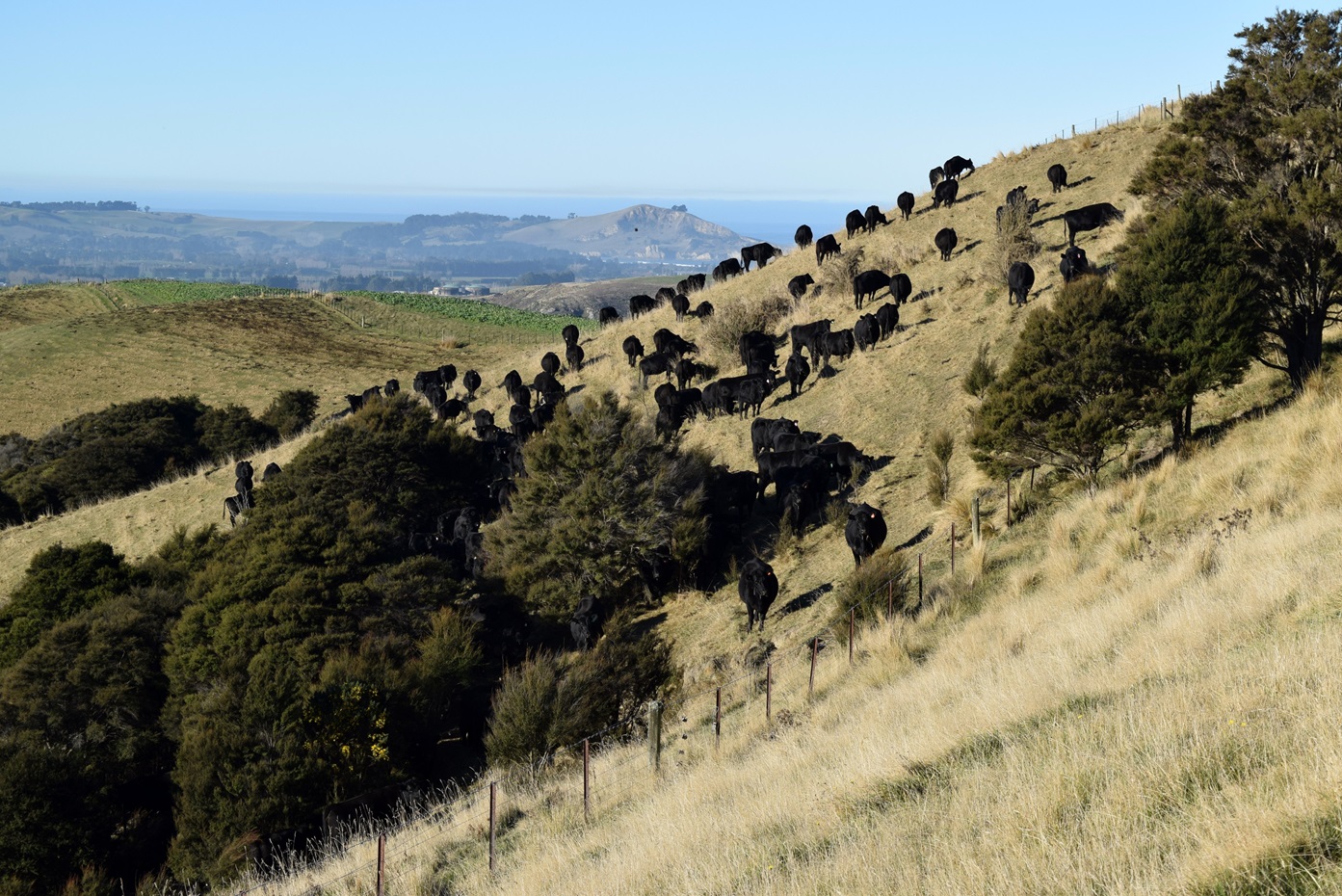
The collars were put on a mob of about 250 first-cycle, mixed-age cows in mid-April this year.
Those cows were selected because they could handle the jandal" and would finish calving the soonest.
This would allow for greater use of the collars, as the cows and the calves could be moved more and better utilise feed.
When he changes the grazing area in the app, there was a 12-minute window for the satellite to connect to each collar.
Then the collars vibrate on all of the herd at the same time to signal the direction of the new area.
He tried to move the cows every day.
The daily movement ensured the cows always have quality pasture available.
Constant movement also helped train them on the technology.
They are getting pretty good."
At the start it took them up to hour to be brave enough to walk to the new area.
Now they were moving towards the new break sooner as they learnt how the technology works.
It has been really interesting watching their behaviour."
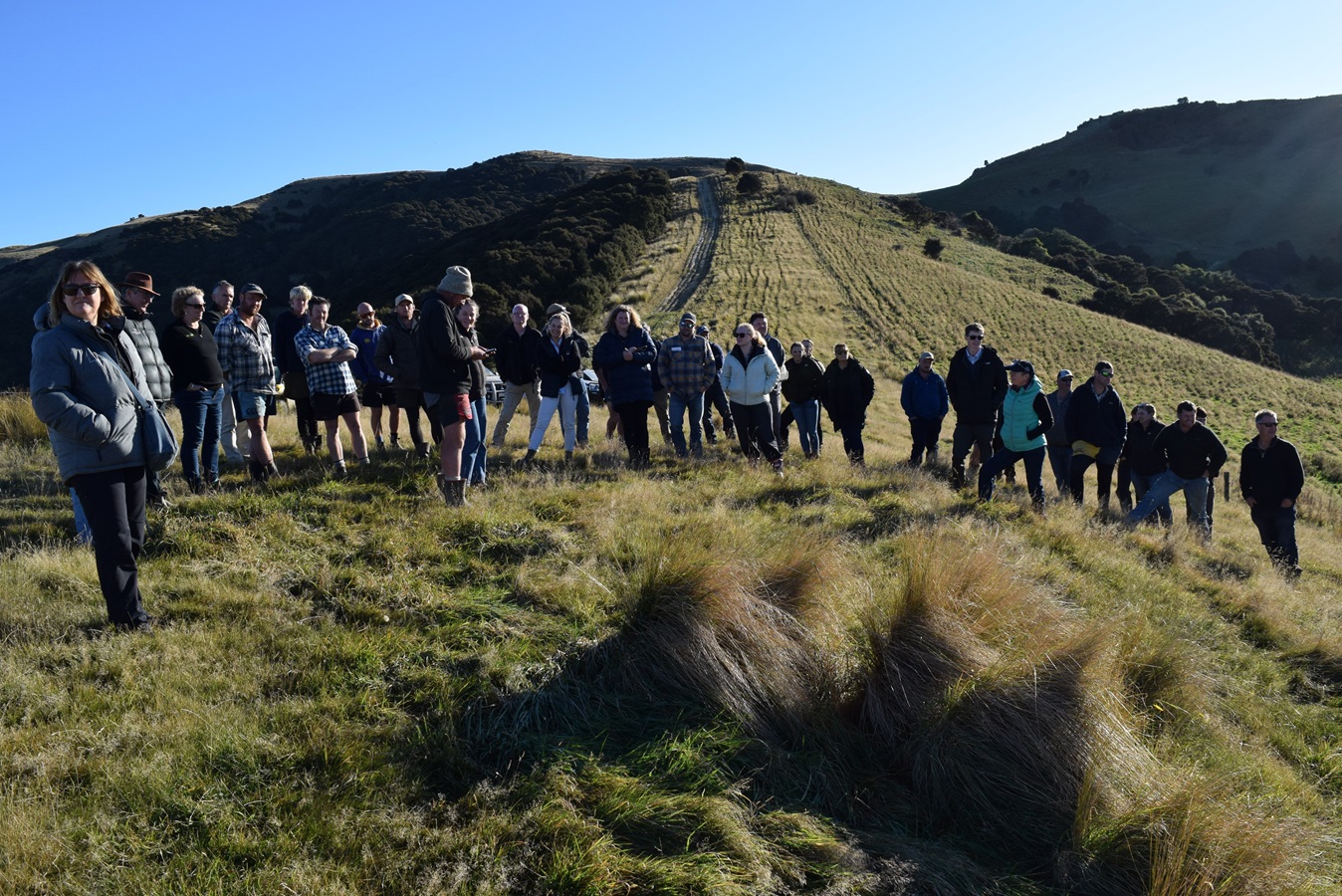
He hoped the collars would allow them to save some quality grass for them to eat in spring to reduce pregnancy losses.
Now we can control where they are eating and it is opening up a whole lot of surplus feed scenarios."
There was plenty of grass around this season.
It has been a great year to be a cow."
He had been pondering other ways to use the collars at different times of the year.
If you’ve got a massive surplus of feed, would you whack it on your R2 steers and not spend all that money putting fodderbeet in? There are so many different things you could do."
The technology had been a real eye-opener.
It opens up a whole world of possibilities of what the future could look like."
Halter South Island beef lead Minna Wilson, of Christchurch, said the collars had solar panels and the battery would continue operating for two weeks without any direct sunlight.
A beep in an animal’s right ear signalled it to turn left, a beep in the left ear signalled it to turn right.
The collar beeps as an animal approaches a virtual fence.
Beeps "ramp up" as the animal gets close to the virtual fence until it becomes a constant sound.
If the animal crosses the virtual fence, they get a shock, about a tenth of the strength of an electric fence.

A farmer creates a virtual feed break in an app including a 3D map of the farm.
The business paid a $108 annual subscription fee for each of the direct-to-satellite collars.
If the collar breaks or the technology became outdated, Halter paid for a replacement.
Halter was a tool to optimise a farm operation, Ms Wilson said.
"It’s not going to make a s ... farmer great but when you get a farmer like John, who knows his stock and farm, you can do really exciting things."
Mr Fitzgerald bought his bull team from a range of Angus studs.
Bulls were bought from Angus studs, Cleardale, Grampian, Kakahu, Mount Linton, Taimate, Te Mania and Woodbank.
"The reason we go to so many places is I don’t like putting all of my eggs in one basket."
By attending more sales, he could get the genetics he was after and reduce the pressure of needing to get them from one or two auctions.
His bull-buying process was to get catalogues and rank bulls depending on his breeding objectives and their estimated breeding values.
"I’m real big on the EBVs."
About 350 heifers were mated every year to breed replacements.
Heifer breeding was a consideration when selecting a bull.
In a breeding and finishing system, a range of traits were needed so most of the EBVs need to be considered in a bull sale catalogue.
"It’s about the whole page, not just a couple of traits."
Then he structurally assessed the bull on-the-hoof and the ones he did not like the look of got dropped from his possible team selection.
Some yearling bulls he bought remained in a reserve mob on the flat and never got deployed to service the cows on the hill.
"We need enough bulls to cover any break downs."
A minimum of four reserve bulls were deployed to the hill each year.
The semen of the bull team was tested every year.
Each year before mating begins, the bulls were given a "jump test" by a vet to ensure it was physically up for doing the work required on the hill.
A resolved issue on the farm was empty rates of cows rising and calving dates getting later.
To rectify the issue, cows with similar cycles were run in mobs and pregnancy tested.
Any late calving cows were sold.
"It has improved everything, it has been awesome."


