PHOTO
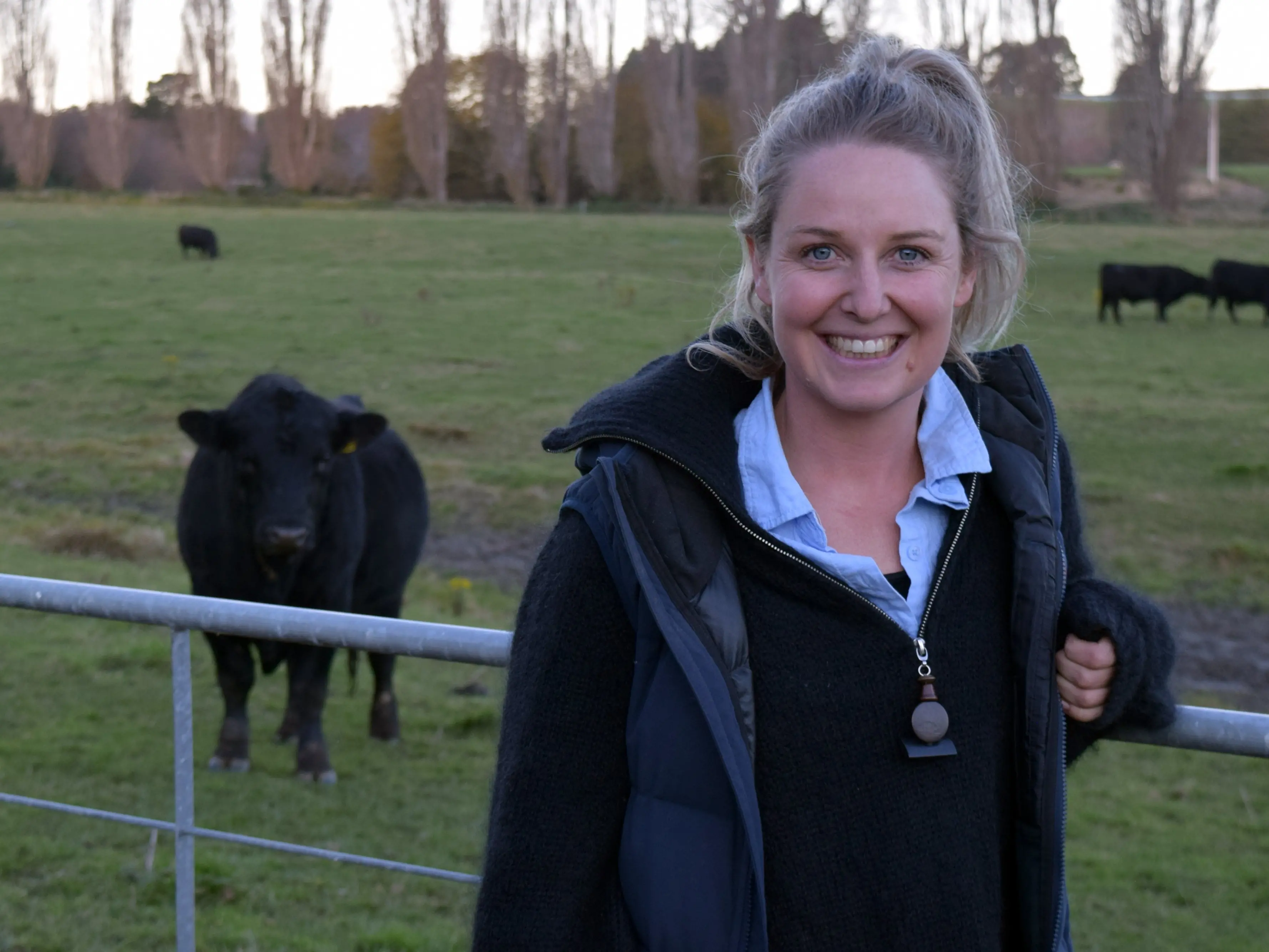
Data is confidence when buying a bull, a North Otago livestock genetic specialist says.
Targeted Breeding owner Jo Scott headlined a Beef + Lamb better beef breeding workshop in Waikouaiti.
She encouraged more than 30 people in the woolshed at Four Rivers Farming to list the estimated breeding values (EBV) of their current bull team.
An EBV, which predicts an animal’s genetic merit for specific traits, was backed by science and major global investment.
"Trust me, they work."
If someone claims EBVs do not work, then there would be a reason why they were not working for them.
"I’m being diplomatic. They work."
Where bull owners source EBV data from depends on the bull. For example, people buying bulls from Angus studs could get the information from Angus New Zealand or Angus Pro.
She encouraged anyone seeking direction on where to find the EBV information for their bull team to contact her.
From the EBV information, a team average for each trait could be calculated.
The average provides a benchmark for farmers to use at bull sales.
For example, if a farmer wants to improve their average weaning weight EBV of 50kg, then they could buy a bull with a heavier weaning weight EBV.
If a farmer had no calving issues, they might buy a bull with calving ease figures similar to their bull team’s average for that trait.
"Know where you are and know where you want to be."
Farmers should set a breeding objective, then find aligned bull breeders and then find the right sire from those breeders.
"If you are not matching your breeding objective to your breeders, then you are going in a different direction."
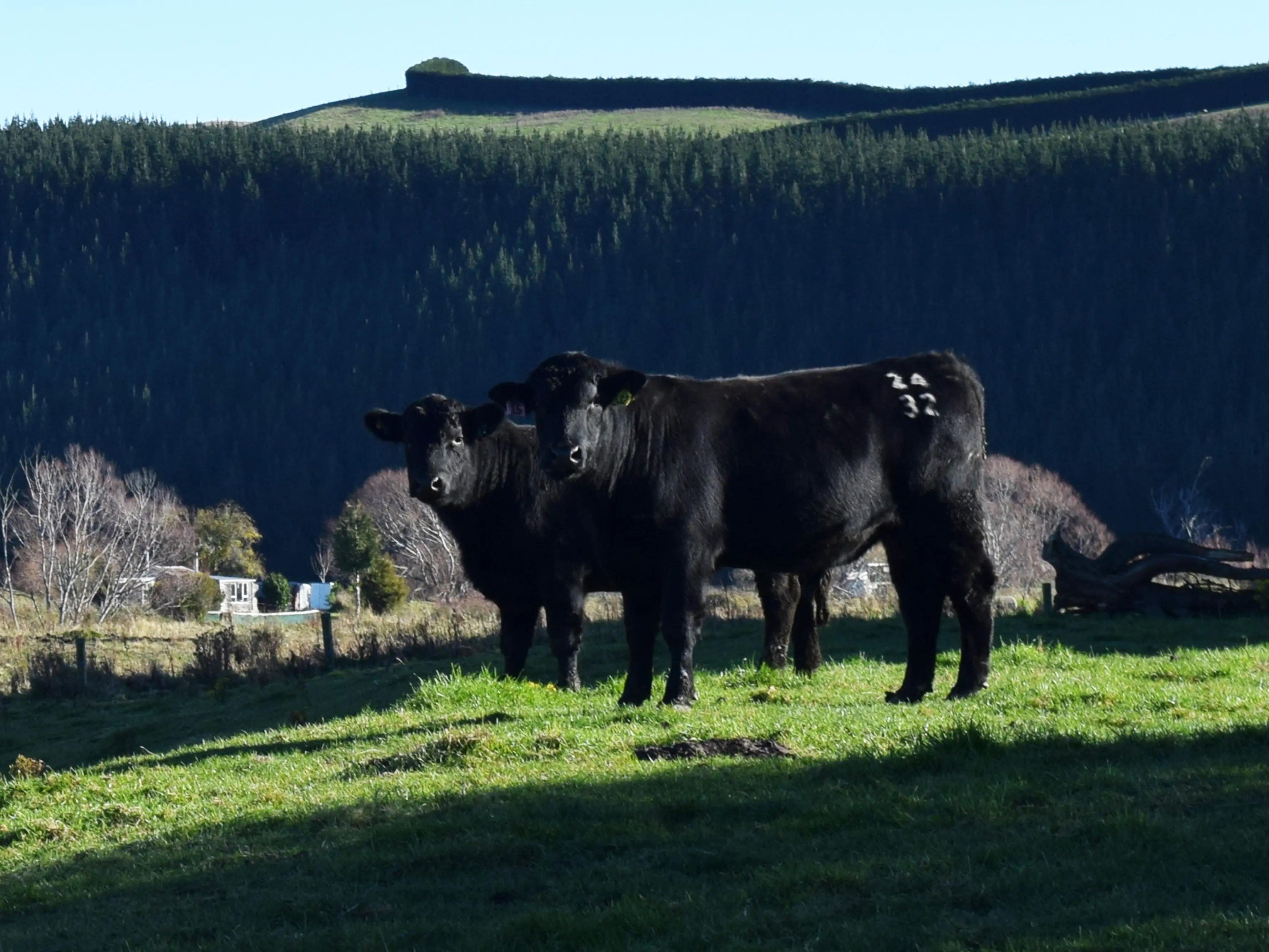
There was as much genetic variation within a breed than there was across breeds, she said.
Studies had shown the performance of cattle was 50% genetics and 50% farm management.
"We spend a lot of time thinking about our farm management and changing our management practices. How often do we think about genetics? Once or twice a year, at bull buying and perhaps calving, if you are having difficulty."
A bull buying decision influences the performance of a herd for up to 10 years.
In the workshop, she encouraged people to write down a summary describing the environment they operate their beef system in.
"Are you hill country? Finishing country? Are you summer dry?"
She then asked them to list the bull breeds in their team and where they were bought from.
The next question was how they made money from their cattle operation.
"Are you breeding? Selling as weaners? Finishing? Selling store?"
Another consideration was if heifers were being mated and if calves were being retained as replacements.
She asked people to write down a part of their beef operation they would like to improve, such as in-calf rates, weaning weights and days to slaughter.
"Is there something where you’re thinking, ‘this is where I am and this is where I’d like to be’."
She asked people to write down the biggest challenge in their beef system.
"Is it animal health? Is it getting those weaning weights? Is it taking them through that first winter to the second?"
Before attending a bull sale, a buyer could use their answers to create talking points with bull breeders to find if the traits being targeted matched the ones they needed to improve the performance of their herd.
"That will drive your progress."