PHOTO
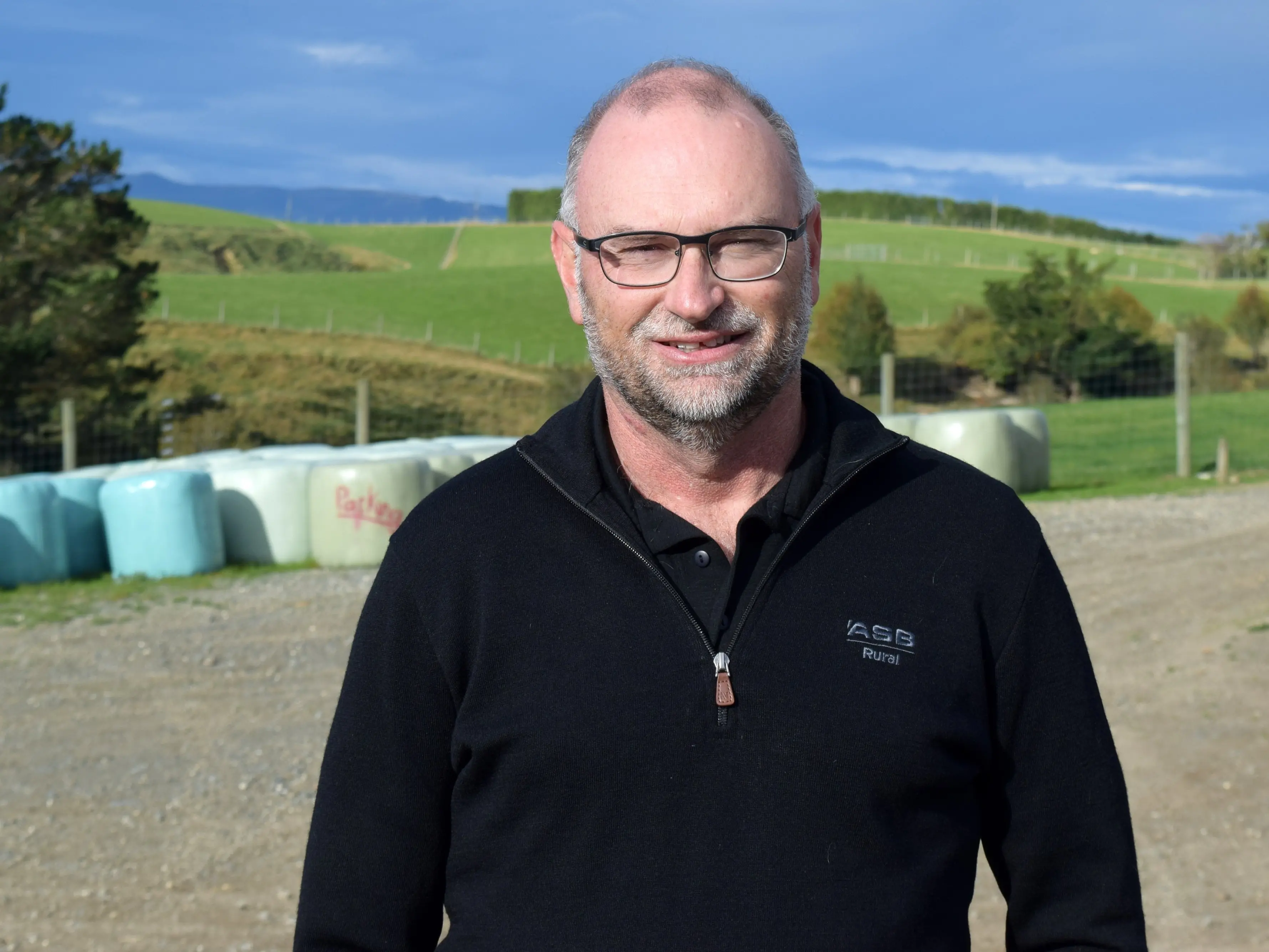
"It makes bloody good financial sense," a southern banker says about farmers installing solar.
ASB South Island rural sustainability manager Tim Lissaman, speaking at a Southland Environment Advance Party field day near Gore last week, said the bank was supporting New Zealand’s transition to a "lower emissions, resilient economy".
"Energy is a big part of that," he said.
A solar system, including a battery, helps farmers continue operations during a power outage.
The technology could also reduce the operating costs of a rural business.
"They are the reasons we are interested," he said.
The bank was offering clients "smart solar loans" at 0% per annum finance, fixed for five years, up to $150,000 for the installation of solar system in agricultural businesses.
The aim was to get more farmers to adopt solar technology, which would be very beneficial to their businesses.
"We are putting our money where our mouth is."
If a smart solar loan was not paid back within five years then any remaining debt would need to be restructured.
"We expect to see most farmers having paid off, through the energy savings, a fair chunk of that initial investment after five years."
The quickest a client had paid back a solar system was nearly four years and the longest pay back period was up to 15 years.
Most farmers paid back loans for solar systems in less than a decade, he said.
Farmers using solar to power irrigation systems was popular across all agricultural sectors, he said.
A solar system was being installed on his small farm in South Canterbury next month.
He got three quotes on installing a system a couple of years ago but did not proceed with an installation.
"I couldn’t get very excited about the payback on it."
Then the payback period for a system to power irrigation and a workshop connected to a meter was nearly 15 years and his house connected to another meter had a pay back period of about 12 years.
He got another quote about two months ago and it suggested combining the meters for a minimal cost.
The meter combination meant his power consumption closely matched the power generation of a solar system.
"That turned it into about a seven year payback and an 18% return on investment, which was enough to get me excited enough to sign up."
His system cost $1665 per kilowatt.
He recommended farmers get a knowledgeable solar power installer to visit their farm to investigate energy demand and constraints so a system could be tailored to their situation.
He urged farmers considering installing a solar system, without a battery, to think hard about how they could move the draw of energy to times when the system was generating the most energy.
The shift could include the time a hot water cylinder was heated or paddocks were irrigated.
Inclusion of a battery in a solar system, generally extends a payback period and lowers the return on investment, he said.
Clients who had installed solar had given feedback on how their systems had exceeded the expectations of solar companies projections on energy generation.
If farmers got two or three quotes from reputable solar companies and the generation projections were similar, then they could be confident they would get the generation projections they were promised.
"In my opinion, you can be confident you’ll get what you pay for."