


Confidence in the wool sector is rebounding as prices hit levels not seen in more than 15 years.
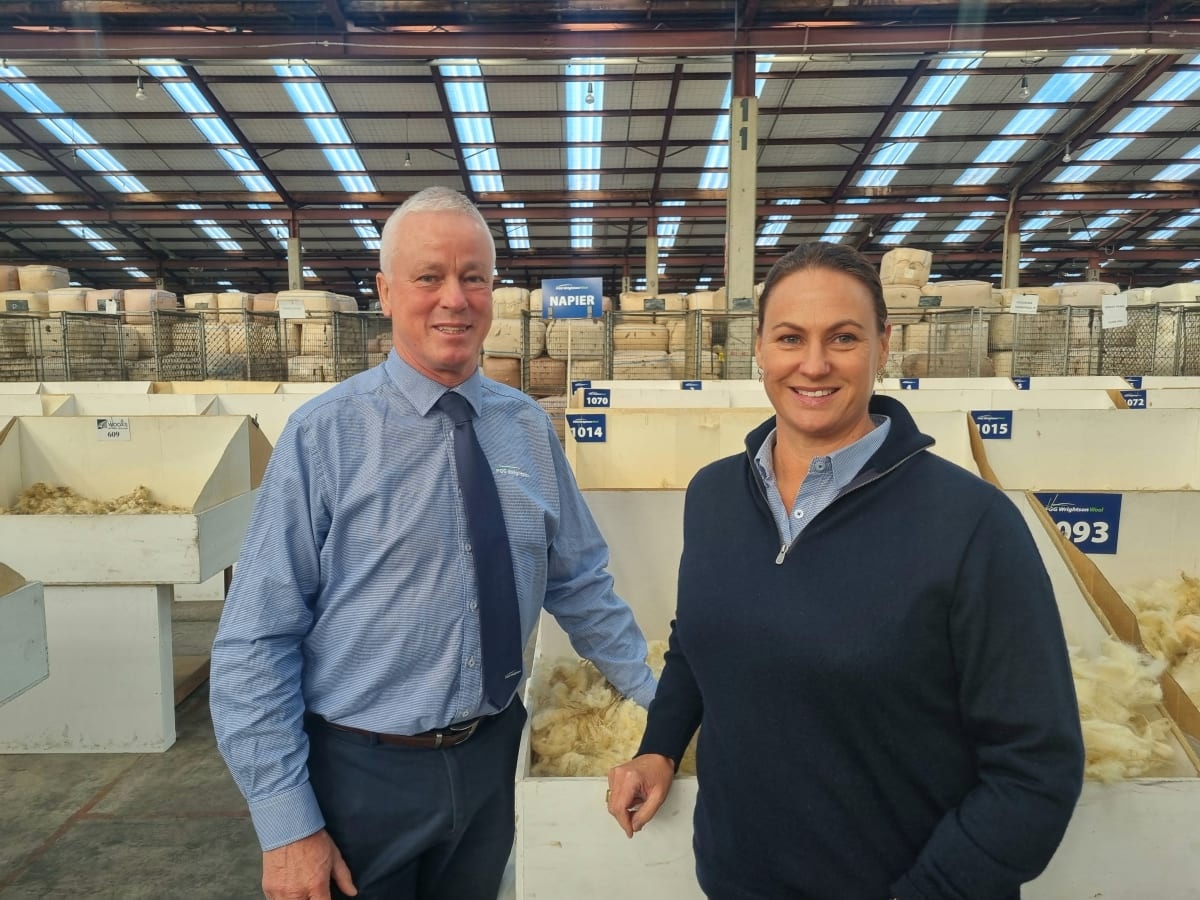
Prices at the latest PGG Wrightson wool auction ranged between $6.47 to $6.80 a kilogram for crossbred fleeces, with some of those best presented and showing good colour breaking through $7 for what the auction manager described as the "first time in almost a generation".
At the most recent wool sale, auction manager Dave Burridge said the market continued to post "significant gains", with strong demand competing for available volumes.
"Several fleece lots of best presented, showing good colour, broke through the 700c/kg clean for the first time in almost a generation.
"The unsung heroes of the day were good colour oddments that well exceeded all expectations."
PGG Wrightson's general manager of wool Rachel Shearer said at such prices the shearing costs were being covered for the vast majority of farmers and in many instances the wool cheque was putting them ahead.
"Prices haven't been at this rate since around 2011. So it's great to see, once again, wool is adding to the bottom line of hardworking New Zealand sheep farmers."
She said such strong results were helping to rebuild confidence in the sector, although she noted it came off a low base and the industry had a long way to go.
"The tide definitely does seem to be turning, and the really positive thing that we're taking out of that is that the market is holding at these sustainable levels."
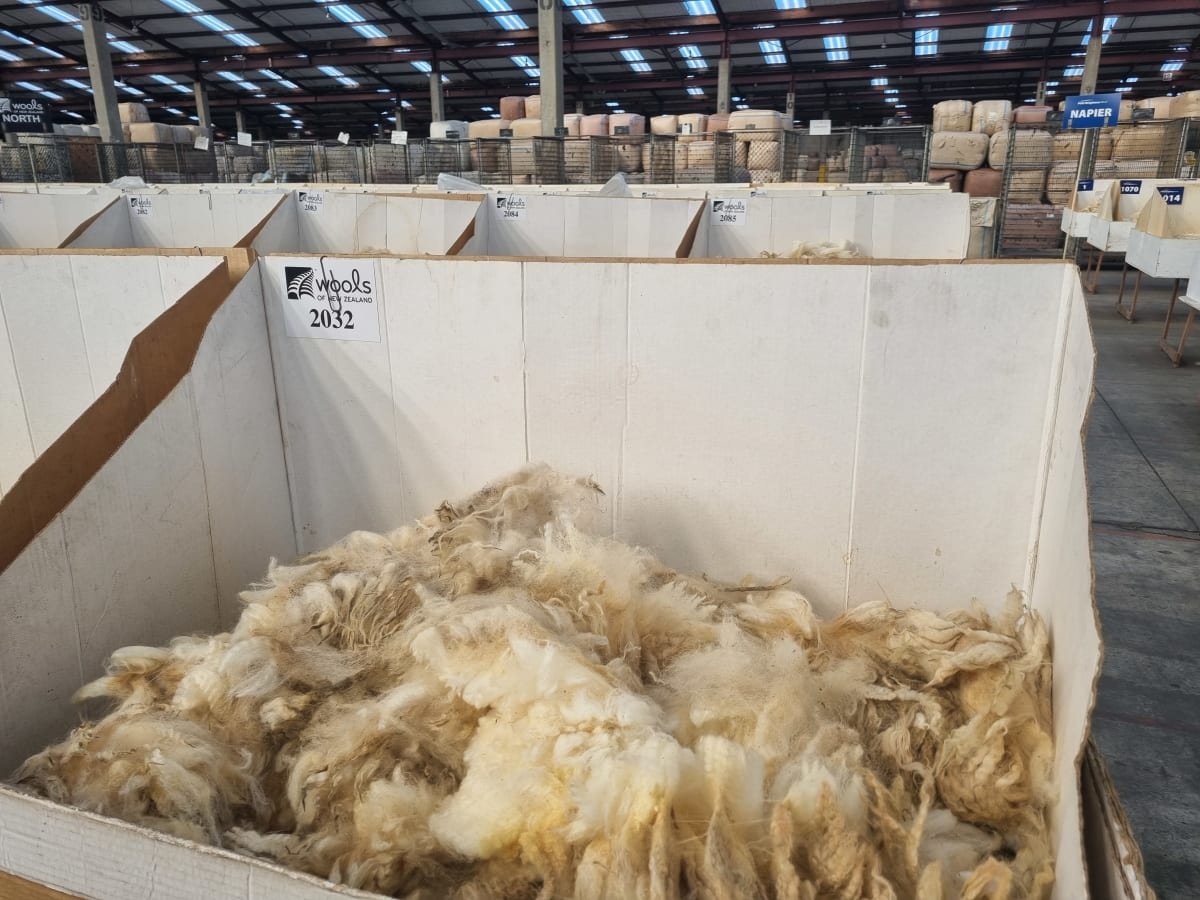
"The world, ironically, is cottoning on to the wonderful properties of wool and the fibre that it is.
"But on the other hand, it's not just New Zealand but Australia and other key wool markets - everyone's at the lowest sheep wool-producing volumes that we've had since well before the First World War.
"So globally there is a supply shortage and coinciding with that is an increase in demand from discerning consumers who are wanting to move back towards a more natural fibre."
Adding to this was increased "volatility" for the price of nylon and polypropylene pellets and synthetics, which were "no longer the cheap and reliable option".
Shearer noted the Iran conflict had led to increased fuel and freight costs but wool was still moving freely, mainly to manufacturers in China. It was also not an "overnight turnaround" to transition from nylon and synthetics back into wool.
"Where it could impact, the longer the conflict goes on, is around the availability of shipping containers and where they ... end up in the shipping channels around the world."
Coupled with strong sheep meat prices, she said the future seemed positive for wool producers.
"It's making sheep farming a viable option again and hoping to stem that tide of land-use change and people moving away from sheep, because sheep are a really important part of New Zealand's agriculture.
"So with meat prices and wool prices where they are, we're hoping that that's a stable base for New Zealand sheep farmers to build upon."
This story was first published on rnz.co.nz |  |


