


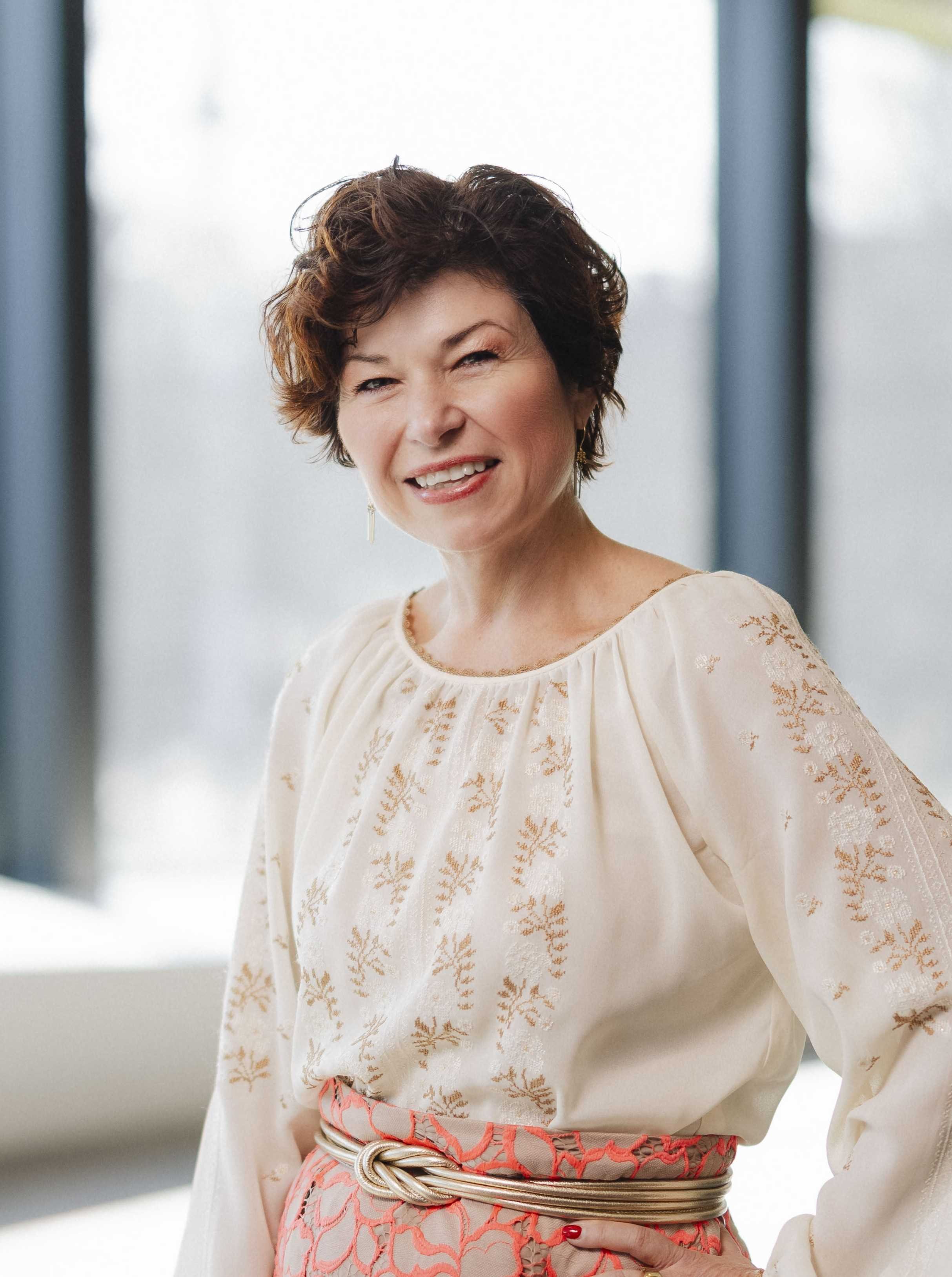
A clean break from red meat’s top job has Sirma Karapeeva toying with the idea of reliving the safaris of her childhood in African game parks.
The Meat Industry Association (MIA) chief executive bowed out last week after handing in her resignation when beef and sheepmeat prices were at a high in a challenging trade tariff environment.
Her time as head of the body representing red meat processors, marketers and exporters started during a global pandemic and coincided with many more challenges and accomplishments.
She insists it is time to step down after 11 years with the organisation, including six years as its CEO, and wants to spend more time with her 12-year-old daughter.
"It has been an intense period and we all have a resilience bucket somebody told me about once where you have to find some way to top it up before it gets depleted. This is probably the right time for me to stop and do that."
As for her next career step she has no immediate role lined up and wants to pause and reset as she assesses her options either inside or outside the primary industry.
Born in Bulgaria, she was raised in Africa by an architect mother and grew up in Tanzania and Zimbabwe.
"I would have to say school holidays on safari [stood out]. It’s incredible being able to drive into national game parks in Africa and be surrounded by real wilderness and wildlife — elephants, lions and zebras and rhinos; you name it — and all sorts of other creatures. I would love to go back and take my daughter to Africa and show where I grew up and give her a taste of what my experience was like growing up at her age."
A different upbringing gave her a broader perspective on life and shaped her to be more tolerant to diversity and ways of thinking through solutions to problems.
After finishing secondary school, she studied in Denmark and met a Kiwi couple whose stories encouraged her to study in New Zealand.
Arriving in 1995, she graduated with first-class honours in business studies from Massey University.
A career in the public sector followed, specialising in trade, and she cut her teeth with the Ministry of Economic Development (now MBIE) in negotiating and technical barriers to trade obligations.
Before joining MIA she was with the Ministry of Primary Industries’ trade policy team, helping advance primary-sector interests in market access negotiations and sanitary and phytosanitary provisions in New Zealand’s free trade agreements.
This background came to the fore when in 2015 she joined the MIA as its trade and economic manager before being appointed to the CEO role.
Her arrival and departure have coincided with both landing in the month of March.
"Isn’t that serendipity. So, I started in 2020 right at the start of Covid-19 in the first lockdown and that was quite the baptism of fire. Over the past six years that roller-coaster has not let off. It’s been exciting and challenging and full-pace. So, full circle."
Confronted with a global pandemic, she was among red meat leaders navigating the uncertainties and safety protocols to keep the workforce and processing plants safe and working to keep an essential service going for farmers and the wider industry to maintain export revenue.
Without a playbook, they quickly learned and adapted on their feet, she said.
Her previous position helped her transition to her first CEO role, giving her a good grounding and insight into the industry and where she could add value.
"So I wasn’t a complete novice and had that background and also had come out of government with a lot of trade policy, government relations and regulatory experience."
New Zealand’s exporters face many non-tariff barriers, estimated to cost the industry about $1.5billion in lost earnings.
During her tenure there was a focus on working with the government to reduce or remove them to free up export trade.
Red meat, dairy, kiwifruit, wine and other industries were among the winners of free trade agreements negotiated with many trading partners.
More lately there has been the fast-changing tariff landscape accelerated by United States President Donald Trump’s forceful negotiation style.
Ms Karapeeva said the tariff developments were another example of challenges the industry faced on a regular basis.
"You know Donald Trump’s tariff announcements — on-off, on-off — it just shows you how volatile the global environment is and how much industries have to be across the developments and nimble and agile to be able to anticipate, react and respond accordingly. Lucky for the red meat industry they are very good at doing this."
On the world export stage New Zealand ranks number one or two for sheepmeat with Australia in volume and value and probably among the top five or six countries for beef.
Ms Karapeeva said New Zealand managed to hold its own against big beef countries such as Brazil and Argentina.
Many opportunities lay ahead, including heavy investment in technology to improve productivity and singing loudly about New Zealand’s unique naturally grass-fed product when consumers wanted nutritionally good food, she said.
MIA chairman Nathan Guy said Ms Karapeeva had led the organisation through industry challenges and growth, including managing recent unprecedented growth in global returns.
"With her background in trade policy and negotiation, Sirma has been a steady pair of hands as we dealt with the unknown outcome of the recent American tariff announcements, the China safeguard investigations and free trade agreements with Europe and the United Kingdom."
He said the tireless contributor for the MIA, meat companies and wider red-meat sector has been an excellent link between government and industry.
Ms Karapeeva rates her proudest achievement as building a top team delivering value under a difficult and busy programme.
"I would love to say that the lift in exports is solely due to us, but it isn’t. We are just a cog in a greater machine. The lift in exports is a result of a global situation, tight supply and increasing demand. Where the team is adding value is facilitating those conversations between industry and government to navigate those trade challenges we are facing — and they have done a great job."


