
PHOTO
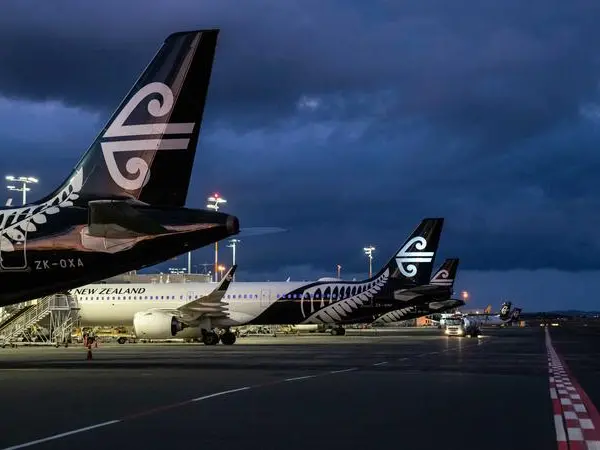
Nelson's mayor says smaller centres are rattled by a warning from Air New Zealand it may have make changes to where it flies and how often.
The national carrier has suspended the earnings guidance it issued less than two weeks ago because of what it said was unprecedented volatility in jet fuel markets.
The airline expects a meaningful impact on its second-half earnings.
Air New Zealand said it had put in place initial fare changes, but said it may need to hike prices and adjust its network and schedule "as required".
Nelson Mayor Nick Smith said there was a "huge amount of nervousness in regional New Zealand" over the possibility of Air New Zealand reviewing services.
"We get that they're under enormous financial pressure with the big loss they announced a couple of weeks ago, as well as the heightened fuel prices, the hope will be that they maintain the set of destinations across New Zealand they do, albeit understanding the frequency of some of those services may be reduced," he said.
"I'm advocating very strongly on behalf of Nelson, as other mayors will be doing, that if we are to rebuild the tourism industry, we don't want to have it excessively focused on the Queenstowns and the Rotoruas that are already busy."
Smith said he was due to meet with Air New Zealand in the next couple of weeks.
"I hope there will be some consultation with mayors and regional leaders as they try and work through how they can be economically viable while at the same time maintain these vital services to regions like Nelson."
The Nelson mayor said flights were "so important" to regional New Zealand.
"The loss of an air service can have a body blow impact on regional centres," he said.
Smith said Nelson was a busy airport.
"But even for us, maintaining the frequency and range of destinations is just so important for the future of the Nelson region."
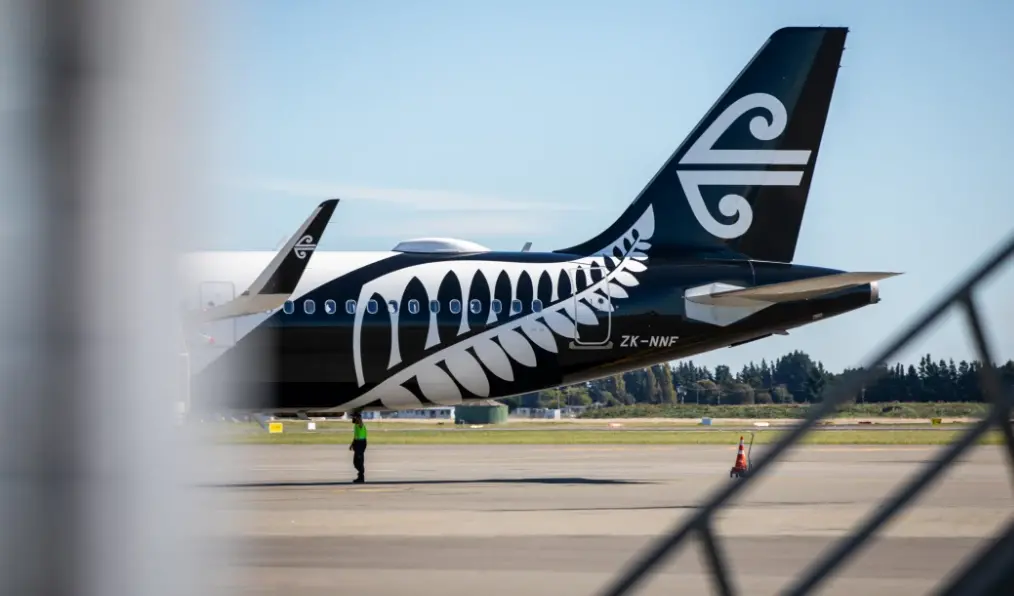
New Plymouth Mayor Max Brough warned of a revolt if changes are made to flights.
"I can tell them if they do that in New Plymouth there'll be plenty of kickback," he said.
"Already we don't have enough flights, they don't have enough planes... this is a lifeline for New Plymouth.
Brough said the road north suffered frequent closures, stopping the movement of both people and freight.
"I'd be very disappointed if Air New Zealand starts slashing services in New Plymouth, as would all the people that come and go from here," he said.
"So they would certainly be hearing more from us around that in the future."
Brough said by nature of its name, Air New Zealand had a duty to serve the country.
"They need to get on the page and work it out," he said.
"That's the first thing they do is 'let's cut', they don't look at how can we make it better."
Brough said mayors in both regional centres and larger cities needed to be part of a conversation about what to do.
Timaru Mayor Nigel Bowen told RNZ that as a smaller centre, Timaru valued its connection into Wellington.
"We have significant concerns when global events affect fuel prices," he said.
"We have historically a good working relationship with Air New Zealand and would expect, with any potential changes, that we are brought into the conversation."
Taupō Mayor John Funnell said he would encourage Air New Zealand to keep its services there.
"The airport has been working with Air New Zealand to remind them that it is a popular destination," he said.
In its market statement the national carrier said the difference in the crack spread price - the margin charged by refineries - had jumped from $US22 ($NZ37) a barrel to as high as $US115.
Airlines are charged for the Brent Crude price of a barrel of oil - hovering around $US100 - and the crack spread price.
Oil prices fell on Tuesday, with the benchmark Brent Crude down 6 percent to around $US87 a barrel, after rising above $US115 on Monday (NZ time).
