
PHOTO
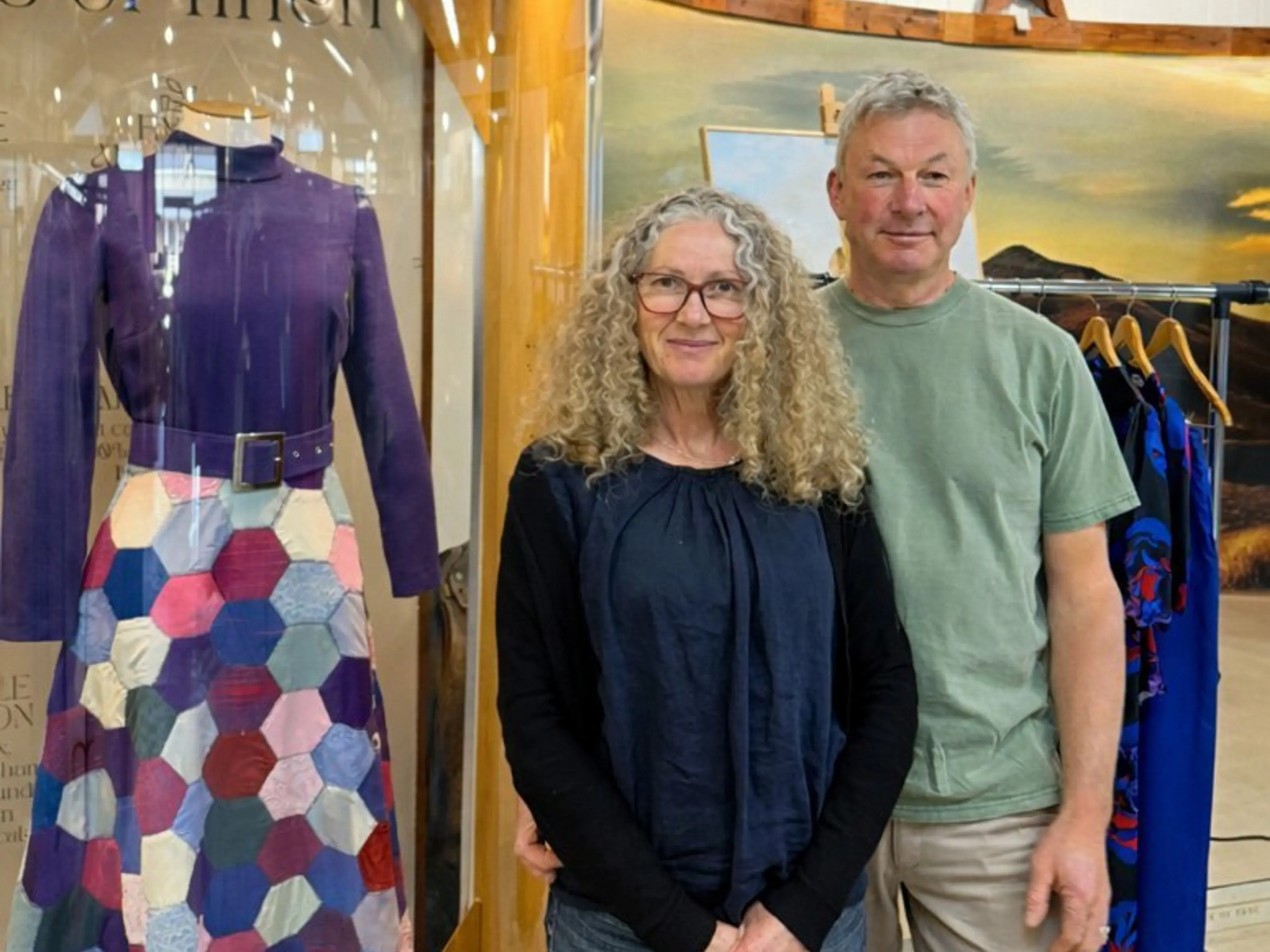
Tania Murray Haigh still vividly recalls visits to Eden Hore’s property at Naseby when she was about 8.
While her sister headed straight for the miniature horses outside, she would absorb herself in the now nationally significant collection of high fashion garments from the 1970s and ’80s.
She could spend hours amid what she described as a sensory overload and those visits were ‘‘etched’’ inside her and were a massive part of what inspired her to become involved in fabrics and design.
The collection was housed in a shed on Mr Hore’s property until his death in 1997. The Central Otago District Council bought the 276-item collection in 2013 for $40,000.
It has been back in the public eye recently with the Eden in Dunedin exhibition on display at Toitū Otago Settlers Museum and the launch last year of the book Central Otago Couture.
Ms Murray Haigh, who has followed the Eden Hore story throughout her life, said the Maniototo farmer was a motivation for her return to her old hometown of Ranfurly.
Several years ago, she and her husband Russ Haigh opened retail business Lohi in the town’s main street, later incorporating The Thirsty Moa wine bar. It was about shining the light on slow fashion, homeware and on the wider Maniototo district while helping educate the next generation about a sustainable circular economy.
Now the couple have bought a nearby building and they want to shine the spotlight on Mr Hore as a farmer first, who accumulated the collection, and the surrounding landscape.
That story extended well beyond fashion and tapped into historical, cultural and tourism potential for the region. The book release and ongoing exhibitions across the collection meant there was increasing interest in how to bring more of Mr Hore’s story into a living visitor experience in Ranfurly and across Central Otago.
‘‘We feel this represents a natural evolution in the Lohi story — from the early days of showcasing local craft in our store to now contributing to a project with strong cultural significance and tourism potential for the wider region,’’ Mr Haigh said.
The vision was to establish a new attraction in Ranfurly that not only enhanced the town’s reputation as a destination but also increased foot traffic and spending for local businesses, he said.
Rather than a museum, it was intended to be an interactive and fun and to create ‘‘Instagrammable moments’’ — drawing people into the area and creating economic development.
Helping out on that side was Ms Murray Haigh’s daughter Jaide, who created the name Lohi, and who has a backgrounder in marketing, and is now a Sydney-based ‘‘influencer’’ thanks to her appearance on television show Love Island.
The couple have been working with David Hepplethwaite, who trained as an architect in London before discovering a love for narrative design.
He took on the creative lead for projects such as the Riverside Museum in Glasgow (which went on to win the European Museum of the Year), The National Library of Scotland, The National Railway Museum, and the Zayed National Museum in Abu Dhabi.
Living in New Zealand since 2009, he founded Art of Fact in 2013 which planned and designed award-winning museums, exhibitions and story-telling experiences.
The idea in Ranfurly was to create a garment using inspiration from Mr Hore’s collection of colours. The concept was about learning, looking and listening — and maybe another 8-year-old girl would be inspired by the past and create something for the future, Mrs Haigh Murray said.
The project was expected to cost around $500,000 to $600,000 and the couple were keen to secure a sponsor, saying it was the ‘‘opportunity of a lifetime’’ not only for them but also for the district and wider Central Otago region.
‘‘It’s a great Central Otago story that should be shared with the country. We feel our job is to get it out there.’’
It was hoped to have the initiative under way by Lohi’s next fashion show in July which included Ms Murray Haigh turning local school pupils into designers.
They were given a challenge to design, in groups, an item of clothing from op-shop materials, which she would then sew and one of the group would then model it in the fashion parade.
Two garments from the Eden Hore collection were in specially designed display pods at Lohi as part of a mini exhibition trail bringing the fashion into public spaces and small towns.