
PHOTO
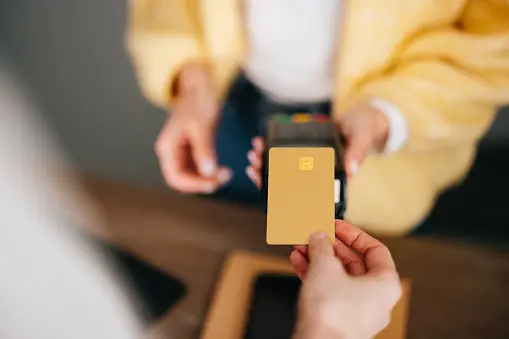
Numberless cards and one-time use card numbers are part of changes Mastercard is planning to help tackle fraud.
Mastercard country manager for New Zealand Megan Simons said scammers were able to use stolen credit card numbers to take $84 million from New Zealanders in the year to November.
"It's really significant, it's really worrying," she said.
"It's up to all of us, particularly those in our industry, to do what we can to try and address that and reduce the number.
"You've got this dual-sided equation where people want the best and smoothest, nicest experience, but they expect it to be safe and I think that's a pretty fair expectation … if security measures are onerous, people just don't use them.
"You can't have one without the other - you can't have security in a terrible experience and you can't have an amazing experience that it's not safe. That's ultimately what we are trying to solve."
Simons said between now and 2030, Mastercard would produce physical cards without a 16-digit number, which would enhance security.
"There are a couple of New Zealand organisations that have already rolled this out. The new Sharesies card don't have a number on the front of them. The Square One kids card ... also doesn't have a number on the front.
"Why we think this is important is if you lose your physical card, somebody can't pick it up and use that number on the front to go shopping online. If you think about it, you have that number, you have the code on the back, you have the expiry date, you can go and plug it into a website and use it. So that's pretty fundamentally important.
"If you want to access your card number, you still can. You just go into your banking app, authenticate yourself with your Face ID or your fingerprint like you would normally then you access the number there ... you still have all the functionality, it's just secured in a much safer way than having the most important piece of information out in the open on a card."
Mastercard would also offer one-time card numbers that people could use for specific transactions, she said.
"Imagine you're in a situation where you're going to go and shop on a website that you've never shopped at before, you might not want to put your card number in there.
"What you could do is go into your banking app, say I want to use a single-use virtual card number. It'll spin up a number for you, you put that number in and you make your transaction. It will never work again, that number.
"Even if the details get compromised later down the track, the number becomes useless."
It would also be possible to have a card that lasted for a set period of time so someone who was travelling could have it work while they were away, with category and spend limits, she said.
"Or you might want a card that can only be used at certain places."
Mastercard also planned to offer customers the option of using one card across various types of payment, including debit, instalment arrangements, credit and prepaid and was working to enrol cards in a "click to pay" service that would remove the need to enter card details at checkout.
Transactions would instead approved through fingerprint or Face ID.
Simons said the other innovation Mastercard was working on was a shift to agentic transactions, where AI could help identify inventory gaps for small businesses, for example, and order what they needed, or help with cashflow management, make bookings and maximise loyalty benefits for customers.
In one example, a photographer who received a payment was working through how much money needed to go into savings. The AI agent identified another job was coming up and the photographer might need more SD cards.
"They can just say 'yes go ahead' and that takes the mental load off ... confirming and making the payment. It makes it easy for someone to know what they need to do and make sure they've got the right stock and inventory in order to do the job."
Simons believed New Zealanders would be open to the change.
"I think what we as an industry need to do is make sure that people understand what's coming and that these things are actually safer than the older way of doing things."
This story was first published on rnz.co.nz |  |