
PHOTO
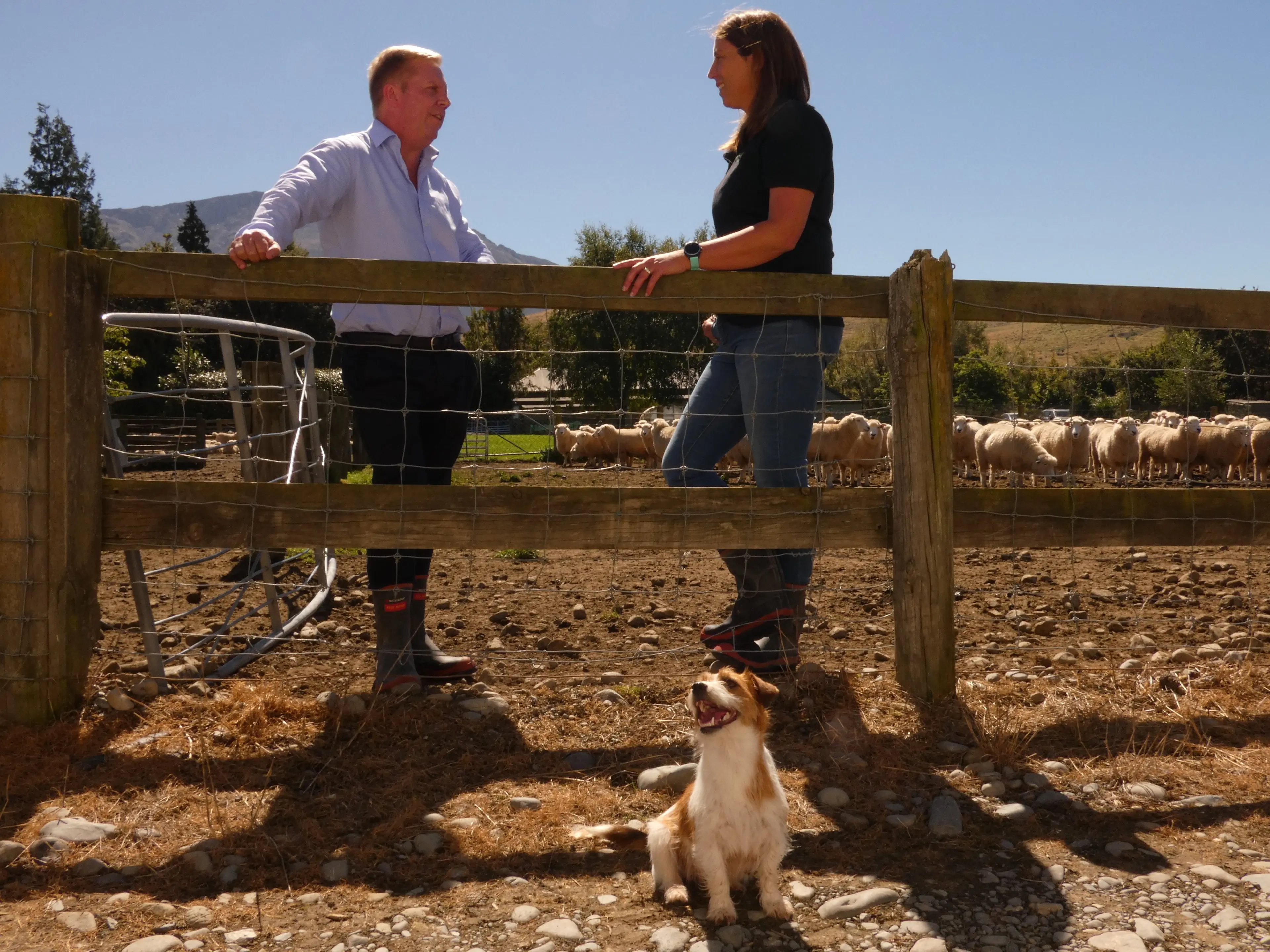
The Trump administration’s proposed 12.5% trade tariff based on forced labour concerns has baffled farmers just relieved beef remains exempt.
New Zealand was included by the US Trade Department in 60 countries facing new import taxes because of their failure to address the importing of goods made with forced labour.
That would replace the 10% tariff in place for lamb, dairy, wine, salmon and other goods headed to the US despite NZ’s high labour standards.
Absent from the list is beef and kiwifruit.
Beef + Lamb chairwoman Kate Ackland said the changing tariffs had come as no surprise to farmers, but the uncertainty from one week to the next made it hard to plan particularly at the processing end.
‘‘We were 10% and then we were 15% and then beef got taken off and then we went back to 10% and now we are going to 12.5% so it’s all over the show.’’
Lamb producers facing a 12.5% change would put them on the same footing as Australia.
She said the tariff increase could have been worse.
The proposal still needed to go out to consultation and it was likely to be early July before any tariffs were imposed.
‘‘Now obviously we don’t agree with these tariffs as they are about forced labour in the supply chain and our red meat producers have got really well established protocols which make sure there is no forced labour in any part of the supply chain.’’
She said the tariffs were not about NZ or its red meat, but part of the broader US strategy to put tariffs on imports.
The initial tariffs Mr Trump announced had since been declared illegal and this was a mechanism to legally put tariffs on countries, including NZ, Australia and the United Kingdom, she said.
‘‘There is a specific exclusion for beef on the tariff regime because the price of beef is really topical in the US. So the Trump administration has said they are going to get the price of beef [down] so that’s why they are excluding beef from tariffs.’’
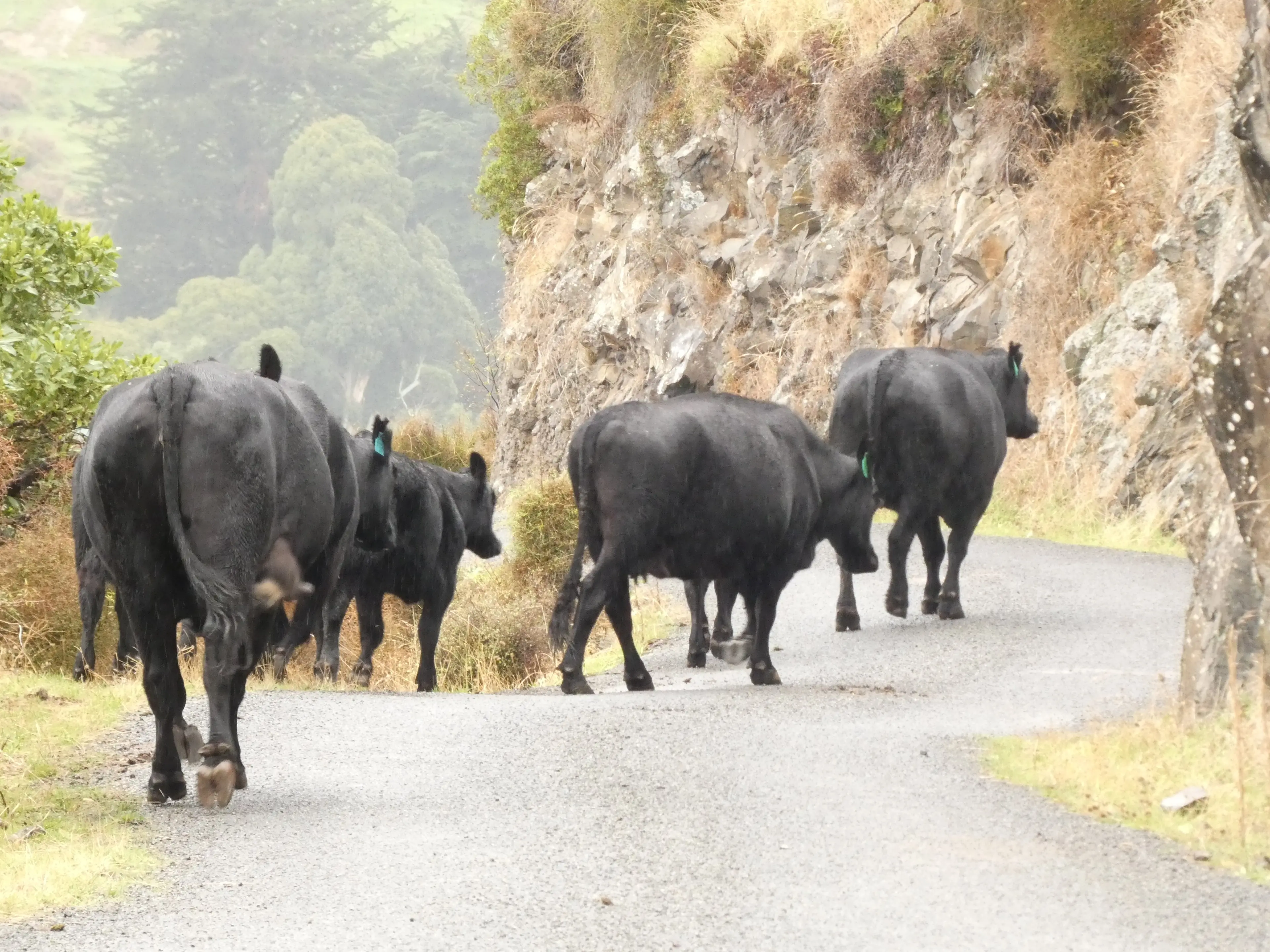
She said the US herd was at its lowest level for 70 years and other herds around the world were also down so beef was in short supply and demand had never been greater.
A Rabobank report expects tight global beef supply to support ongoing strong beef prices for the rest of the year.
Global beef production was down 2.5% in the first three months from the same quarter a year ago, with this likely to continue across the year.
The US was NZ’s largest beef market last year, taking 173,000 tonnes, up 17% in value to $2.1 billion, followed by China.
Dairy farmers are big producers of beef from culled dairy cows and young calves raised for beef production, but face added challenges down the line for milk exports.
Dairy Companies Association of New Zealand executive director Kimberly Crewther said tariffs were never welcome and the proposed 12.5% tariff to replace the temporary 10% tariff after previous changes was complicating global dairy trade.
She said dairy companies had unfortunately become adept at navigating geo-politically driven changes.
Trade continued the past year because NZ products were valued for their quality and functionality by importers incurring the tariffs, she said.
‘‘Ultimately no-one wins out of tariffs. There is an additional cost to consumers and there is additional costs and complexities for exporters.’’
Ms Crewther said an ideal world would have no trade barriers with a free flow of goods to consumers wanting to buy them globally, but the reality was tariffs and non-tariff barriers continued to be a feature in many markets.
The US trade exemption for heavily subsidised dairy from Canada would create a ‘‘significant disadvantage’’ for NZ protein products, she said.
A Zespri spokeswoman confirmed kiwifruit remains exempt under the proposal and would not be subject to the tariffs.